-
Connect team is an all-in-one software that we have been using for quite a while in our company which has all our needs.
-
If you see yourself giving more experience organizing paychecks than managing your business, it’s probably time to outsource.
-
Integrating an hourly salary calculator, such as JoinHomebase, enhances accuracy in work hour tracking and wage calculations.
-
All of these courses can be done online, and many offer the flexibility to work from home. You can find many online platforms like Udemy, Coursera, LinkedIn Learning, etc.
-
you are unable to value my contribution to your company by yourself? If you think the number is okay, then we can go ahead, otherwise as I said, I shall pass.
-
Training typically focuses on specific job-related skills, while development aims to enhance an individual's overall abilities and potential for future roles.
-
It is crucial to consult with an accountant or payroll specialist and utilize reliable payroll software or services to streamline the process and ensure accuracy.
-
HR and payroll functions may not be suitable for all organizations. Factors such as organizational size, complexity, and the need for specialized in-house expertise should be considered before making a decision.
-
Having a system where everything is at a place isn't a bad idea at all. Having softwares for 7 different things only makes it challenging.
-
These platforms offer a variety of courses covering topics such as talent management, employee relations, performance management, and HR analytics. It's important to research and compare the course content, instructors, and reviews to find the best fit for your specific needs and career goals.
-
payroll responsibilities are shared between the HR and Finance departments, with HR handling the people-related elements and Finance dealing with the financial aspects.
-
They have trainers who are industry experts with experience of more than two decades.
-
Companies can also outsource their payroll services as they provide all these and more above-mentioned payroll functions on a single platform.
-
If you’re looking for a contractor position, on the other hand, they’ll refer your application to one of the staffing agencies which provides them workers with skillsets similar to yours.
-
Each of these courses has their own unique curriculum and requirements, so it's important to research and choose the one that best fits your career goals and schedule.
-
Then, you subtract income tax based on the employee's tax slab and eligible deductions. After accounting for all deductions, you arrive at the net pay, which is the amount the employee receives.
-
It is used by many large and multinational organizations for managing payroll, human resources, and other related functions.
-
They have a team of highly experienced professionals who share their experiences in the HR department .
-
However, it's important to note that payroll and HR are distinct functions within a company, each with its own set of responsibilities.
-
Overall, HR payroll software plays a crucial role in streamlining payroll processes, ensuring accuracy and compliance, and improving overall efficiency within organizations and businesses.
-
These software solutions are designed to simplify HR processes and enhance payroll management while integrating with ADP payroll systems for seamless data exchange and processing.
-
As a result, you need to closely monitor your workforce management processes so you can remain competitive. One way to do this is by integrating your HR and payroll software so you have a complete picture of your workforce performance and potential areas of improvement.
-
I used their payroll services a few years back But now I migrated to Spectra Outsource Solutions’s payroll services.
-
If numbers are your thing, if you have a strong - and I do mean STRONG - attention to detail, if you can easily jump from one thing to another, then sure, payroll is easy. There’s a lot of moving pieces.
-
There is some software that is cheap but they are not reliable when it comes to processing the payroll.
-
Payroll software is a compulsory tool that is great for organizations to automate many processes relevant to employees’ salary processing. A payroll system can work as a standalone system or may be part of the human resources software suite.
-
It's important to thoroughly research each option, compare their offerings, and consider factors such as cost, customer service, and integration capabilities with your existing systems.
-
HR refers to the process of managing the financial aspects of employee compensation. This includes calculating wages, withholding taxes and other deductions, issuing paychecks or direct deposits, and maintaining accurate records of hours worked and payments made to employees.
-
. I would appreciate it if you could provide me with the necessary information as soon as possible.
-
your own learning preferences. It's also a good idea to read reviews or testimonials from individuals who have successfully prepared for and passed the certification exams using these resources.
-
Overall, using payroll software can improve efficiency, accuracy, and compliance in managing a company's payroll.
-
a combination of specialized courses, practical experience, and networking efforts can significantly improve your HR job prospects and pave the way for a successful HR career.
-
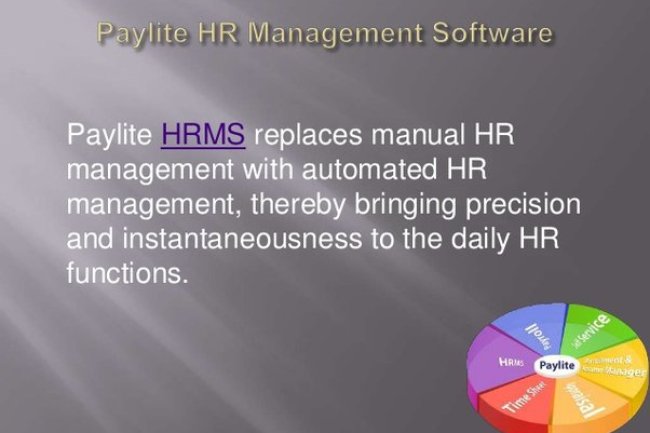
I can provide you with an overview of the core features and functionalities of Payroll Human Resource Management System (HRMS) software
-
Depending on your organization's specific needs, you should take into account several factors when evaluating different options.
-
It's essential to research each institute's course content, reviews, certifications, placement opportunities, and mode of delivery (online, classroom, or blended) to determine which one best suits your learning needs and preferences.
-
learn Human Resource Management Systems (HRMS), you can explore a variety of online resources, courses, and platforms that provide comprehensive training.
-
I recommend researching each certification to determine which best aligns with your career goals and interests.
-
Becoming a Certified Payroll Professional (CPP) through the American Payroll Association (APA) offers several advantages
-
HR often provides guidelines and salary ranges based on market research and company policy, while your manager assesses your performance and contributions to the organization.
-
In addition to simplifying your time tracking process, QuickHR also offers advanced features such as automated time off requests and approvals, overtime calculations, and customizable reports.
-
we provide HR and Payroll software with reference to GCC Compliance and we have our team operating from DSO (Dubai Silicon Oasis) with good number of customer base in UAE.
-
Technology has created so much opportunity for innovative forms of work; we're just now really beginning to see the full potential of more flexible arrangement.
-
It's essential to research industry standards, consult salary surveys, and network with professionals in your field to gain insights into prevailing salary ranges in your area and industry.
-
HR will assist with various pension and 401k plans and relate these to payroll.
-
These are just a few examples of the many career certificate courses for human resources professionals. Pursuing these certifications can demonstrate a commitment to professional development and help advance a human resources career.
-
a payroll management system simplifies payroll processing, ensures accuracy, enhances compliance, and improves efficiency within an organization's HR department.
-
By leveraging HR solutions for payroll, organizations can streamline processes, improve accuracy, and free up HR resources for more strategic initiatives.
-
Online platforms like Coursera, LinkedIn Learning, and Udemy offer a wide range of courses that can be completed at your own pace, making it easier to balance with your responsibilities at home.
-
HR payroll software plays a crucial role in streamlining payroll operations, ensuring compliance, and enhancing the overall efficiency and effectiveness of HR departments within organizations.
-
There will be no human error as such when calculating pay of each employee based on their performances, leave balances / encashed, and attendance.
-
payroll management is an integral part of the HRMS because it plays a central role in ensuring that employees are compensated accurately and in compliance with legal requirements. It also contributes to employee satisfaction, cost control, and overall organizational efficiency.
-
whether HR personnel should know about the salaries of individual employees without their manager's knowledge may vary depending on organizational policies, practices, and the specific context.
-
Surely this is not a serious question? They pay you every week, you have a boss, there is a CEO. You were almost certainly in touch with HR when you were hired.
-
Professional Employer Organizations (PEOs) offer a range of services, including comprehensive HR support and payroll management, that can benefit businesses of all sizes.
-
it's essential to evaluate your organization's specific requirements, conduct thorough research, and consider factors such as pricing, customer reviews, and available features.
-
This includes encryption protocols, multi-factor authentication, regular security audits, and compliance with data protection regulations such as GDPR and UAE data protection laws.
-
Invalid functioning of any specific modules leads to incorrect documentation and implementation in other categories, thus misleading the system on the whole.
-
The APA's website provides detailed information about the certification process, exam content, and study resources. Additionally, there are online platforms and educational institutions that offer courses specifically designed to prepare individuals for payroll certification exams.
-
This type of software typically includes features such as employee information management, attendance tracking, benefits administration, payroll processing, and compliance management.
-
At the end of the day, you bet on people, not strategies. Build on your ability to get and keep the right kind of people on board with a well-run HRMS Software.
-
On the positive side, it can provide opportunities to gain experience, network with professionals in your industry, and potentially lead to a permanent position with the company.
-
On the other hand, compensation management involves designing and implementing a fair and competitive compensation and benefits package for employees.
-
We have payroll experts who guide you through the whole process by managing and reporting your payroll. We also offer online payroll solutions to make it easier for you to manage.
-
By carefully considering your needs and researching the available options, you can select the best HR and payroll system to propel your Malaysian business forward.
-
I took my accounting courses in college before there were computers, but I’m also proficient with spreadsheets, too. Yes, I had the skills to handle payroll taxes, assuming I would pay attention to all the updates that keep happening.
-
The numerous benefits of HRMS software vary depending on the type of software used by a company.
-
Business managers wear many hats but do they imagine doing these tedious and time consuming works hours after hours? Business owners can have them engaged in other works instead and have those works accomplished to benefit them.
-
Overall, the end-to-end HR payroll operations process is designed to ensure that employees are paid accurately and on time, while also ensuring compliance with all relevant laws and regulations.
-
After working in Human Resources I became a member of the Society for Human Resources. The professional organization offered certification program courses and testing.
-
payroll manually is kind of task number one and the person who is Managing the payroll should be well versed with all the notms pertaining to payroll.
-
you can only be competitive if your core business management, such as HR and payroll, is streamlined.
-
WFM is a powerful ???????????????????????????????????? management ???????????????? that may help businesses ???????????????????? ???????????????????? costs, ???????????????????????????? operational performance, and ???????????????????????? ???????????????????????????????????????? with labor laws.
-
It's important to research the specific job market in your area and consider factors such as cost of living when evaluating salary expectations.
-
Their articles are quite interesting and you can subscribe to free newsletters on the topics which interest you.
-
These courses can help you further specialize in a particular aspect of HR or broaden your skill set for leadership roles within HR departments.
-
If you find yourself lacking in any of the crucial skills, you can invest your time in learning courses after completing your MBA in HR.
-
Implementing an HR payroll system can significantly reduce errors, improve efficiency, and save time for HR and finance professionals. It also enhances transparency and accuracy in employee compensation
-
Where I operates, there are timeline for submitting certain tax forms every month both for the company and employees of the company. There are penalties for late submission.
-
HR refers to the administrative task of calculating and distributing employee payments, including salaries, wages, bonuses, and deductions. It involves the systematic and accurate management of employee compensation, ensuring that employees are paid correctly and on time.
-
payroll practices comply with all applicable employment laws, including minimum wage requirements, overtime regulations, tax withholdings, and payroll deductions.
-
This is just one part of it and courses like this help really well for you to get an overall deep understanding of everything.
-
By asking this question you are making the HR cordinator confused , in my experience I have seen that fintech corporates these days are outsourcing the HR function.
-
As you browse across the payroll software market, you will come to see sea of payroll software brands. All of them may most likely claim their products are perfect and meet your expectations and requirements to the full. Maybe.
-
Payroll is primarily concerned with the process of calculating and distributing employee salaries, wages, and bonuses. It involves tasks such as tracking work hours, calculating taxes and deductions, and ensuring that employees are paid accurately and on time.
-
HR payroll administration is essential for ensuring that employees are compensated accurately and in compliance with legal requirements, contributing to the financial health, compliance, and overall effectiveness of the organization.
-
Most businesses today use some type of payroll software, and they benefit from being able to easily manage these complex human resources procedures.
-
it's possible for an accountant to take on HR responsibilities as well, especially if the company has limited resources.
-
initially it is managed with excel then slowly one gets migrates to an application. Now comes the problem of one set of employee master data would in attendance and the other set in payroll.
-
By bringing together all parts of HR and recruiting administration in one location, users can get a holistic picture of the business, boosting decision making and streamlining formerly time-consuming operations.
-
Specific courses to consider are "Human Resource Management" by University of Minnesota on Coursera, "Strategic Human Resources" by University of California, Irvine on Coursera, and "HR Fundamentals" on LinkedIn Learning.
-
It's a good idea to research the specific universities or educational institutions in India that offer these programs to find the best fit for your career goals and interests.
-
Unfortunately, it is easy to get a job in HR. One only needs to be a bureaucrat, without any particular thinking skills. By contrast, it is very difficult to get an IT job or a Tech job.
-
it may not give exact details about payroll here but this will give you the basic understanding and an advantage over other candidates.
-
By bringing Payroll Software into the system, a company can save labor and expenses both. At the same time, users feel it to be easy-to-use.
-
This involves calculating employee pay, withholding the appropriate taxes, and ensuring that employees are paid accurately and on time.
-
HR and payroll solutions help eliminate the limitations of traditional systems and facilitate flexible, and scalable solutions.
-
In my opinion Payroll is NOT an HR function but belongs to accounting. You can outsource payroll as well but it is not an HR function.
-
This system is designed to reduce errors that occur during manual calculations, saving businesses time and money. By streamlining payroll management, organizations can focus on their core operations and increase productivity.
-
These courses can help an MBA HR fresher to gain practical skills and knowledge that can make them more competitive in the job market and better equipped to handle the challenges of their new career.
-
Automation and digitization are clearly here to stay. As a result, enterprise HR teams of all sizes must leverage technology to provide a best-in-class workplace experience for a multi-generational workforce with varying needs.
-
(HR) plays a crucial role in payroll outsourcing, ensuring accurate and timely payment to employees while maintaining compliance with employment laws and regulations.
-
By having a single system that is used across all countries, it is easier to ensure that the same policies and procedures are being followed everywhere.
-
support, pricing plans, free trial and more so on. I would like to suggest you one place will help you to explore top HR and Payroll software with other details so for more details you can check out at Technology Counter.
-
HR may have. Keep in mind that company policies, payroll schedules, and legal requirements may impact the feasibility of changing the payment date.
-
A Payroll Management System is a software tool that helps organizations manage employee compensation and benefits. It automates the process of calculating salaries, taxes, and deductions, and provides employees with detailed pay stubs.
-
When selecting a payroll and attendance management software, it's important to consider the specific needs of the organization and choose a methodology that aligns with those needs.
-
what is a normal pay range for your position and years of experience. Present this information as evidence that you deserve a raise.
-
Payroll is an important and yet time consuming task. It helps you easily and efficiently process your payroll, so it's accurate and completed on time, every time.
-
It's important to approach this issue with professionalism, open communication, and a willingness to find a mutually agreeable solution.
-
if we use payroll software it follows a hierarchy and all the calculation are done step by step, with most accurate calculations with less time consumption, no matters what employee strength you have, it is going to give a perfect number just make sure you have capable well-configured hardware
-
They have to be managed like any other resource so it only makes sense for that management to include paying for the rent of that human body/mind.
-
These are just a few of the many payroll modules and tools available within SAP software. The choice of modules depends on an organization's payroll requirements, geographic reach, and specific business processes.
-
The amount of the hike can depend on various factors, such as your current salary, market rates for your role, and the client's budget.
-
These reports are basic ones that can be used by just about any workplace, regardless of size or industry. As managers get used to using reports, it will become clear which reports could be used to further improve a particular place of business based on unique characteristics.
-
making it a reliable choice for small and medium-sized businesses. The software provides multiple customization and configuration options, ensuring flexibility to meet specific business needs.
-
Different organizations such as the Society for Human Resource Management (SHRM) or the HR Certification Institute (HRCI) offer certification programs with different fee structures
-
Some popular choices include Gusto, ADP Workforce Now, Paychex Flex, and Zenefits.
-
Ever since SHRM started doing their own certifications independent of HRCI’s well-established PHR exams a few years ago, there’s been a lot of discussion.
-
When you’re working from Cloud, you can store it right there. And any other employee can access the HR and payroll software in the Cloud from there itself.
-
The problem with payroll is that the departments don't tend to be huge so moving up can be slow but at a bureau you have a lot of space to move.
-
Payroll Hero and MyCATPay are software applications built primarily for payroll management and timekeeping.
-
In many companies, the HR department is responsible for handling payroll processing, as it involves managing employee compensation, benefits, and tax withholding.
-
Payroll, on the other hand, is responsible for ensuring that employees are paid accurately and on time. This includes calculating wages, withholding taxes, processing deductions, and issuing paychecks or direct deposits.
-
You are strongly advised to chose another segment within HR other than Payroll since it has very minimal growth as a career since everything is done by software !
-
They may be verifying your employment history and salary information, or they may be using it as part of their pre-employment screening process.
-
payroll, performance evaluation, compensation policy, Recruitment and selection, etc. Trainers were very supportive and cooperative to her throughout the training.
-
To increase your salary as an HR professional with 1 year of experience, you should consider taking courses that enhance your skills and knowledge in key areas of human resources and related fields.
-
Payroll software requires accurate configuration of various parameters such as tax rates, deductions, allowances, and other payroll-related rules.
-
While transitioning to Workday can undoubtedly enhance your career prospects, it's essential to invest time and effort in acquiring the necessary skills and certifications. Consider enrolling in Workday training programs, obtaining relevant certifications, and gaining hands-on experience through projects or internships to maximize your career opportunities in the Workday ecosystem.
-
Effective payroll processing is essential for maintaining employee satisfaction, complying with legal requirements, and ensuring the smooth functioning of an organization's financial operations.
-
the payroll department, and the finance department, and receptionist. The payroll was pretty straightforward as the staff and hours were consistent.
-
There are several reputable online certification courses for HR professionals. Some popular options include the Professional in Human Resources (PHR) certification, the Senior Professional in Human Resources (SPHR) certification, and the Society for Human Resource Management Certified Professional (SHRM-CP) or Senior Certified Professional (SHRM-SCP) certifications.
-
Historically, payroll has been one of the most complex elements of running a business. Business owners need to make sure that everyone is paid with 100% accuracy, including calculations related to taxes, benefits, and more.
-
while both SumHR and RazorpayX Payroll have an impressive set of capabilities, each solution was designed for a particular organization size.
-
The academy is reputable and has received positive feedback from many of its students. However, it's always a good idea to research and read reviews to ensure that a specific program aligns with your career goals and learning style.
-
Administration and I was looking for an opportunity to transit my career into the Human Resource domain and I found a certification which helped me to kick-start my HR career.
-
I wants to specially thanks Mr. Rahul Sir, who gave me good and advanced knowledge according to my concern. Thank you so much SBMC Team good faculty you are providing. Keep it up.
-
IIM Trichy will also be offering an MBA in HR (Admission through CAT). However, since this is the first time IIMT is offering this course, I will prefer the above-mentioned colleges to IIMT for HR.
-
Questions around the leadership principles can feature in the on-site behavioral round or the bar-raiser round.
-
From pre onboarding to offboarding of an employee, everything is being taken care of by a complete hire to retire solution i.e Hawk HR.
-
By leveraging these free resources and platforms, you can enhance your understanding of the Indian payroll system and develop the knowledge and skills necessary for effective payroll management in the Indian context.
-
The argument that payroll services should stay within HR is very often exactly the same reason why recruitment, training and development, compensation and benefits etc.
-
Ultimately, handling this situation requires open communication, flexibility, and a willingness to find a resolution that benefits both you and your employer.
-
By following these steps and staying focused on your goal, you can successfully transition from recruitment to payroll management and embark on a rewarding career path in this field.
-
That is why it is best to verify your paychecks, and contact the payroll department when you see a discrepancy.
-
Anytime some company says they want to be your "partner," it's code for taking as much money as possible from your employees in order to offset their true costs.
-
There are several kinds of HR like HR Recruiter, HR Generalist, HR Coordinator, HR Analytics, HR Payroll.
-
This trend has a profound impact on our office and business environment too. As far as HRMS is concerned, technology has brought people together and has kept us well connected, though we could be miles apart physically. Our tasks can now be performed seamlessly and without any major hassles
-
However, it's important to consider the value that HR professionals bring to an organization in terms of managing employee relations, recruiting and retaining talent, and ensuring compliance with employment laws.
-
Due to these complexities and the potential for costly errors or compliance issues, many organizations choose to outsource their payroll functions to specialized payroll service providers or use dedicated payroll software to help streamline and automate the process while ensuring accuracy and compliance.
-
Managing human resources (HR) and payroll operations efficiently is crucial for any organization's success. In Abu Dhabi, businesses can leverage cutting-edge HR and payroll software solutions to automate and streamline these processes, saving time, reducing errors, and ensuring compliance.
-
the employer is responsible for calculating and disbursing the employee's compensation, as well as deducting taxes and other withholdings as required by law.
-
The payroll department’s primary function is to ensure that everyone is paid correctly and in a timely manner, based on hours worked, hourly rates of pay (or salary).
-
The top payroll software in India will seamlessly integrate all the applications you use for the other departments. This system must centralize all the systems on one platform.
-
Some popular platforms offering free HR courses include Coursera, edX, LinkedIn and zeblearnindia Learning.
-
They are openly complaining about their pay, and the clerical freelancer joins in that she has accepted below her normal hourly rate to work at this company.
-
While an HRMS and a payroll system can operate independently, integrating the two systems brings numerous benefits. It streamlines data management, improves accuracy, reduces manual work, enhances compliance, and provides a more seamless and efficient experience for both HR professionals and employees.
-
They will not customize the plan to meet your specific business needs. However, this can still translate into significant savings for unhealthy employees that would otherwise require higher rates.
-
Remember to consider professional associations and industry events related to HR that offer workshops, seminars, and conferences. These events can provide valuable networking opportunities and access to the latest HR practices and trends.
-
As HR Consultants, we fill a variety of roles within the human capital spectrum. Although these roles many times do not include the Payroll function, HR and Payroll are closely intertwined.
-
company does not provide enough information about their product/service to potential customers. Poor onboarding is a problem that many companies face today.
-
So you see the work of HR is not just “Hire and fire”. HR brings in the talent which forms the base of any organization. And for this they constantly need to search for talent. In short, they have a never ending job.
-
The scope of work for SAP HR payroll professionals in India is broad and evolving, as businesses continue to invest in technology for efficient HR and payroll management.
-
It boosts productivity as better allocation of workforce resources like HR teams, managers, and employees can be driven towards productivity and efficiency at other fields.
-
better manage payroll needs, build efficient processes, reduce costs and resolve payroll issues with over 40 pre-configured role-based dashboards and reports
-
HR and payroll tools out on the market and each them has their strengths and weaknesses and a slightly different customer in mind.
-
I am not certain of Salary Component for one year experienced professional. But assuming you don’t have specialized training in HR, and working based on your undergraduate degree.
-
The payroll management system manages employee's salaries, deductions, other conveyance, net pay, bonuses and generation of pay-slips, etc.
-
In conclusion, outsourcing payroll to a professional payroll company can offer numerous benefits for businesses of all sizes.
-
There colleges that offer payroll certification programs you can take. Villanova University I know.
-
it's essential to review the course curriculum, faculty profiles, certification validity, and student testimonials to ensure that the program meets your learning objectives and career goals.
-
payroll processing is a critical function within HR because it directly impacts employees' financial well-being, ensures legal compliance, supports financial management, and contributes to overall employee satisfaction and trust.
-
Or inquire at XLRI MDP department. They may accommodate you in one of the training program (Assuming they are still running it for corporates).
-
hey are responsible for accurately calculating and processing employee wages, salaries, bonuses, and other compensation elements. This includes ensuring that all relevant information, such as hours worked, overtime, deductions, and taxes, are accurately recorded and processed.
-
An HR management software, such as a payroll app is a platform that is built to perform and manage certain functions of the human resource operations of a company
-
an employee with a certificate gets over 60% more promotions than an employee without certification. After completing the HR program from Data Trained an experienced HR professional gets a hike of 66%
-
HR payroll software options available, and the best choice for a particular organization depends on its specific needs and requirements.
-
A full fledged HR Software (with payroll as a module) is the best as it lets you integrate payroll with different modules to increase efficiency.
-
HR operations so choosing the best payroll software is equally important. Here’s the list of the top management payroll software in India, in terms of user experience, updated features, service, etc. that you can choose from.
-
Various factors and parameters need to be considered while selecting the appropriate HR staffing and outsourcing company to enhance your workforce potential.
-
Human Resources (HR) payroll software typically offers a range of features to efficiently manage employee compensation and benefits.
-
These modules are designed to streamline the process of managing employee compensation, ensuring accuracy and compliance with relevant regulations.
-
Do not ever go for third party payroll it will ruin your career. Below are the disadvantages to work with a third party payroll company,
-
However, you may consider researching and comparing different institutes based on factors such as faculty expertise, course curriculum, alumni reviews, and placement opportunities.
-
the median annual wage for human resources managers was around $121,220 in May 2020, according to the U.S. Bureau of Labor Statistics.
-
HR and payroll processes is to directly contact your ERP provider. Their team can guide you through the options for enabling and integrating HR and payroll capabilities into your existing system.
-
A system is most utilized when it is built considering the unique requirements of the particular business it is used in managing.
-
carefully evaluate their requirements before selecting a solution. Additionally, it's a good idea to consider factors such as customer support, ease of use, and integration capabilities when choosing HR and payroll software.
-
HR payroll software for your company in Chennai, consider factors such as your budget, company size, specific requirements, ease of use, customer support, and integration capabilities with existing systems. Additionally, you may want to request demos or trials of the software to assess its suitability for your organization's needs.
-
Remember that payroll administration involves sensitive financial and personal information, so it's important to handle it with care and ensure compliance with applicable laws and regulations.
-
It's important to carefully consider the terms of the new arrangement and assess the potential impact on job security, benefits, and overall career progression.
-
while HR employees can manage payroll internally, outsourcing payroll services can offer numerous advantages in terms of time savings, expertise, accuracy, compliance, cost savings, data security, scalability, and employee satisfaction, making it a valuable investment for your business.
-
specifically focuses on the process of calculating and distributing employees' salaries and wages. While both HR and payroll are related to managing employees, they have different areas of focus within an organization.
-
It's important to research programs that align with your career goals and offer the knowledge and skills you need to succeed in a new HR role. Additionally, gaining practical experience through internships or volunteer opportunities in HR can also be valuable.
-
These certifications can demonstrate your expertise and commitment to the field of HR, and may help you stand out to employers.
-
Professional in Human Resources (SPHR) certifications, which are also well-regarded in the HR industry. Each certification has its own eligibility requirements, so it's important to review these to determine which one aligns best with your qualifications and career goals.
-
Since you have araised the question, it indicates you have an interest in teaching and training. In the training industry, it's important to have interest within you to become a corporate trainer.
-
Through payroll meetings, we also help the client do the payroll before the due date if they are not ready to process it themselves on the Better HR software.
-
These are only a few activities that competent HR managers ensure for the organization. So you see it is a knowledge intensive role.
-
While payroll software system manages in-house payroll related matters, WPS System integration does it via banking system. Payroll Software system alleviates pains of HR professionals through automatic employee salary calculations, deductions, and managing their allowances.
-
The construction foreman could build anything, though. He was absolutely integral to that part of our business, and without him, I don’t know if that part would have survived his departure.
-
The best HR and payroll software solution for you will depend on your specific needs and requirements. If you are looking for a cloud-based solution with a wide range of features, QuickHR is a good option.
-
Gone are the days where officers working in the personnel department used manual spread and excel sheets for managing day-to-day attendance, rosters, salary, and all other components.
-
There are so many HR payroll software are available in the market and business choose the one based on the required features, pricing plans, usability, free trial , support, and more so having a cluster of information in one place will help you to explore the set of HR and Payroll software .
-
By following these steps and thoroughly evaluating your options, you can choose the best online HR and payroll management software for your organization's needs in India.
-
the HR department and payroll administrators work together to ensure accurate and compliant payroll calculations, deductions, and benefits administration, while also providing support and guidance to employees regarding payroll-related matters.
-
Throughout the curriculum, you would learn HR Analytics & Digital Transformations Industry-led first curriculum designed by expert faculty along with masterclasses by top CHROs & frontline leaders in HR Digital Transformation.
-
Upgrade your application to get additional features, more employee licenses or get customizations at very nominal pricing.
-
It's essential for HR professionals to discuss career advancement opportunities and salary expectations with their managers or HR department to understand how they can secure raises and advance in their careers.
-
By employing software that manages your people data in one platform, you’ll benefit from significant time and cost savings, which will allow you to better focus on what matters most: your people.
-
Some popular options include courses on human resource management, talent acquisition, employee relations, and performance management.
-
so being classified as a payroll clerk while performing the duties of a payroll administrator and HR may result in being underpaid for the level of responsibility you are shouldering.
-
These certifications demonstrate your knowledge and expertise in the field of human resource management and can be valuable assets in securing a good job in HR.
-
-
The payroll process flow in SAP HR system includes all modules that are related to employee time, attendance, and leave management. These modules work together to ensure that accurate payroll calculations are made based on the employee's time and attendance records.
-
A certification is a very-nice-to-have but not really necessary as long as the person is knowledgeable from work experience on policy and the rights of the employees and the employer.
-
as well as with the requirements of your industry and employer. Additionally, networking and gaining practical experience in the field can also help you advance your career in payroll management in India.
-
While payroll systems excel at financial transactions, HRMS platforms provide a holistic approach to HR processes, enhancing workforce management and organizational efficiency.
-
HR planning. Additionally, courses in communication, conflict resolution, and leadership can also be valuable for HR professionals.
-
Because HR determines compensation and employee benefits, they work hand-in-hand with finance. Payroll implements HR policies with regards to employee paychecks.
-
The needs of today's dynamic workforce, which includes not only the millennial generation but also a workforce that is more culturally diverse, more technologically savvy, and calls for a new level of personalization, must be met by HR professionals through adaptation.
-
payroll falls under the purview of the finance department due to its financial implications and the need for accurate financial record-keeping. However, in some organizations, payroll may be managed by the human resources (HR) department, especially in cases where there is a strong focus on employee-related matters and compliance.
-
Earlier while salary information is maintained in paper files, the control was exercised by cupboard keys. The Admin or HR department owns such files and only a few people got access to these files. However now the entire employee information including C&B is in digital format.
-
HR and payroll software include streamlined processes, reduced data entry errors, better compliance with regulations, improved data accuracy, enhanced reporting capabilities, and increased efficiency in managing employee records and payroll functions.
-
When it comes to HR software, there is an entire forgotten class of companies in the mid-enterprise space.