-
Get SAP BASIS certified and boost your career with ZebLearn India's expert training, learn key features and modules, and understand industry demand and salary scope
-
Learn ABAP programming language with ZebLearn India's SAP MM training and boost your career in SAP development
-
Unlock a lucrative career in SAP BASIS with ZebLearn India's expert guidance and certification, and discover the benefits of this in-demand profession
-
Discover top SAP ABAP training institutes in India, boost your career with ZebLearn India's SAP ABAP training program
-
Discover the average ABAP developer salary in India and learn how to boost your career with ZebLearn India's SAP ABAP training program
-
-
Learn SAP BASIS with ZebLearn India's expert-led course and boost your career in SAP
-
Unlock a successful SAP S/4HANA career with ZebLearn India's expert training and certification, boosting your career prospects in India's top companies
-
Discover SAP BASIS salary in India and boost your career with ZebLearn India's SAP BASIS training program, trusted by 5,000+ SAP professionals
-
Learn SAP Material Management with ZebLearn India's SAP training and boost your career in procurement and inventory management
-
Learn SAP BASIS course duration and boost your career with ZebLearn India's expert training and certification program
-
An SAP resume that gets shortlisted is clear, tailored, and focused on practical skills. By highlighting module expertise, showcasing real-time projects, optimizing for ATS, and avoiding common mistakes, you can significantly improve your chances of landing interviews and advancing your SAP career.
-
Learn SAP EWM 2026 with ZebLearn India's expert training and certification program, boost your career in warehouse management
-
Unlock your finance career with SAP FICO course in India 2025, get certified and boost your salary up to ₹18-30 LPA
-
Get SAP FICO training in India and boost your finance career with ZebLearn India's certification program
-
ZebLearn SAP training receives both positive success stories and some critical feedback. Many learners highlight career growth and job placements, while a few independent reviews raise concerns about support and outcomes. Careful research and comparison can help you decide whether the program aligns with your career goals.
-
SAP FICO and SAP SD training provide a strong foundation for building a successful career in enterprise resource planning. SAP FICO focuses on financial management, reporting, and cost control, helping organizations maintain transparency and compliance. SAP SD specializes in sales and distribution processes, enabling efficient order management, billing, and customer service. Together, these modules create a well-rounded functional skill set that connects financial operations with revenue generation.
-
Learn SAP Fiori implementation and boost your career with ZebLearn India's expert training and certification program
-
If you are looking to build a future-ready career in supply chain management or customer relationship management, enrolling in SAP SCM Training or SAP CRM Training at ZebLearn India is a smart choice. With comprehensive curriculum, practical exposure, and strong career support, ZebLearn India helps learners become skilled SAP professionals and succeed in the global enterprise ecosystem.
-
Learn SAP EWM vs SAP WM differences, benefits, and career scope with ZebLearn India's SAP EWM training program
-
Discover SAP FICO salary in India and boost your finance career with ZebLearn India's SAP FICO training program
-
Unlock SAP EWM India jobs 2026 with ZebLearn India's training and certification, boost your career with expert guidance
-
Discover top SAP FICO training institutes in India, learn SAP finance and controlling with ZebLearn India's certified course and boost your career
-
Discover top SAP MM training institutes in India, including ZebLearn India, and kickstart your career in supply chain and procurement with expert guidance
-
Unlock a rewarding SAP MM career path with ZebLearn India's expert training and certification, boosting your procurement and material management skills
-
A clear, beginner-friendly explanation of Workday HCM — what it does, why companies use it, and how to start learning it.
-
SAP PP training is a valuable investment for professionals aiming to excel in production planning and manufacturing management. With comprehensive knowledge and practical skills in SAP PP, you can contribute to optimizing production processes and advancing your career in the manufacturing sector.
-
Learn SAP HR modules with ZebLearn India's expert trainers and get certified, enhancing your career in HR management with our comprehensive SAP HR course
-
is an SAP career possible after graduation? Without a doubt. For graduates looking to enter a field that combines technology with business knowledge, SAP offers excellent opportunities.
By choosing the right module, investing in quality training, and gaining practical experience, you can build a stable and high-growth career. Instead of feeling uncertain after graduation, consider SAP as a pathway that leads to professional success and long-term security.
-
Unlock career growth with SAP S/4HANA course, learn from experts and get certified with ZebLearn India's SAP S/4HANA training program
-
Learn SAP MM syllabus and boost your career in procurement and material management with ZebLearn India's SAP MM training
-
Get SAP FICO training in India from ZebLearn India, a leading SAP training institute, and boost your finance career with expert guidance
-
Learn SAP S/4HANA for beginners and boost your career with ZebLearn India's SAP S/4HANA training program
-
An SAP course for freshers can be a powerful stepping stone toward a stable and rewarding career. It equips you with practical, industry-relevant skills that employers actively seek.
If you want a career that combines technology, business knowledge, and long-term growth, SAP is definitely worth considering. Choose the right module, invest in quality training, and stay committed to your learning journey—the results can shape a bright professional future.
-
Learn SAP BASIS tutorial with ZebLearn India's expert guidance and boost your career in SAP with our comprehensive SAP BASIS training program
-
So, is SAP possible without coding? Definitely. SAP is not limited to developers; it is a vast ecosystem with opportunities for both technical and non-technical professionals.
If you have been hesitant because you lack programming knowledge, now is the time to rethink that belief. With the right module, proper training, and consistent learning, you can build a stable, high-growth career in SAP — no coding required.
-
If you are looking to build a strong career in ERP and intelligent enterprise technologies, SAP Business One Certification Training and SAP HANA Training are excellent choices. With expert training, real-time project exposure, and certification support, ZebLearn India provides the ideal platform to become a skilled SAP professional and achieve long-term career growth.
-
Discover SAP SD jobs in India, learn about career scope, salary and get certified with ZebLearn India's SAP SD training program
-
-
SAP continues to be one of the most reliable career paths for professionals seeking growth, stability, and attractive salary packages. With limited seats available in upcoming batches, applying early is the smartest move you can make for your future. Do not let hesitation hold you back—invest in your skills today and prepare yourself for the opportunities of tomorrow.
-
Unlock SAP MM jobs in India with ZebLearn India's SAP MM training program and boost your career in procurement and material management
-
Get the latest SAP BASIS salary for fresher in India and boost your career with ZebLearn India's SAP BASIS training program
-
Get SAP ABAP training in India, boost career with ZebLearn India's SAP ABAP course, and become a certified SAP ABAP developer
-
The demand for SAP PM professionals is continuously growing as companies focus more on asset reliability, cost control, and efficient maintenance. If you have a technical background or interest in maintenance and plant operations, the SAP PM course is a smart step toward a stable and rewarding career.
Start your SAP PM journey today and move closer to a high-growth career in Plant Maintenance and Enterprise Asset Management.
-
Unlock career growth with SAP HR certification benefits, enhancing your skills in HR management and increasing job prospects
-
Discover SAP Fiori benefits and transform your business with ZebLearn India's SAP Fiori training program, enhancing user experience and productivity
-
Learn SAP HCM India and boost your career with ZebLearn India's SAP training, get expert knowledge and high salary jobs
-
Learn SuccessFactors vs Workday comparison, benefits and career scope with ZebLearn India's SAP SuccessFactors training program
-
Unlock the power of SAP MM modules for efficient material management and procurement. Discover the benefits and career scope with ZebLearn India's SAP MM training
-
Learn SuccessFactors implementation with ZebLearn India's SAP training and get ahead in your career with our expert guidance and certification
-
Learn SAP Fiori tutorial with ZebLearn India's expert-led course, boost career in SAP Fiori with our certification program
-
Learn SAP ABAP tutorial for beginners, boost career with ZebLearn India's SAP ABAP training program
-
Learn SAP HR course with ZebLearn India and boost your career in HR management with our expert trainers
-
Discover the ABAP certification cost in India and boost your SAP career with ZebLearn India's expert guidance and training
-
Discover the SAP S/4HANA job description and benefits, and learn how to become an expert with ZebLearn India's SAP S/4HANA training program
-
Learn SAP EWM with ZebLearn India's expert trainers and get certified, boosting your career in supply chain management
-
Get trained at a top SAP MM training institute in India and boost your career in procurement and material management
-
Learn SAP ABAP with ZebLearn India's expert-led course and boost your career in SAP development with hands-on training and certification
-
Unlock the power of SAP Fiori features and boost your career with ZebLearn India's training program
-
Discover the difference between SAP S/4HANA and SAP ERP, and learn how to upgrade your skills with ZebLearn India's SAP S/4HANA training program
-
Learn SAP Fiori course with ZebLearn India's expert trainers and get certified, boost your career in SAP
-
Learn SAP EWM configuration and boost your career with ZebLearn India's SAP EWM training program
-
The SAP FICO course is evolving rapidly with changes in certification structure, learning platforms, and system capabilities. Professionals who adapt to S/4HANA Finance, embrace practical learning, and stay updated with SAP’s latest innovations will continue to enjoy strong career growth.
-
Learn SAP MM 2025 and boost your career in procurement and material management with ZebLearn India's SAP MM training program
-
Get SAP SuccessFactors training in India and boost your HR career with ZebLearn India's certification program
-
-
A step-by-step guide to getting Salesforce certified in 2026 — which certification to start with, how to prepare with Trailhead and a free practice org, exam format and cost, booking and exam day, and how to keep the credential active afterwards.
-
Discover top SAP MM training centers in India, learn about material management and procurement with ZebLearn India's SAP MM training program
-
Learn SAP EWM implementation and boost your career with ZebLearn India's SAP EWM training program, get certified and increase your salary
-
Unlock the power of SuccessFactors India and boost your career with ZebLearn India's SAP SuccessFactors training program
-
Get certified in SAP BASIS training in India and boost your career with ZebLearn India's expert-led course, covering key features and modules
-
SAP career-oriented courses are a powerful investment for anyone aiming to build a successful and future-ready career. With global demand, diverse career paths, and continuous innovation, SAP skills open doors to endless opportunities. Choosing the right training program with hands-on learning and expert guidance can be the turning point in your professional journey.
If you’re looking to grow, upgrade, or transform your career, SAP training is a smart step toward long-term success.
-
Discover SAP ABAP course fees in India and boost your career with ZebLearn India's SAP ABAP training program
-
Unlock SAP BASIS certification benefits and boost your career with ZebLearn India's expert training, enhancing your skills and knowledge in SAP BASIS
-
Discover the latest SAP HCM course fees and learn how to become a certified professional with ZebLearn India's SAP training program
-
Unlock a successful SAP FICO career path with ZebLearn India's expert guidance and training, boosting your finance career with high demand and salary
-
Discover the benefits of SAP SuccessFactors implementation and learn how to get started with ZebLearn India's SAP SuccessFactors training program
-
Learn SAP SD course with ZebLearn India and boost your career in sales and distribution, get certified and increase your salary
-
Unlock SAP MM career opportunities and boost your career in procurement and material management with ZebLearn India's SAP MM training program
-
The SAP PP Training Course by ZebLearn India is an excellent choice for anyone looking to build a strong career in SAP manufacturing and production planning. With expert trainers, hands-on learning, and real-world project exposure, the course prepares learners to meet industry demands and excel in SAP PP roles with confidence.
-
Unlock SAP S/4HANA jobs with ZebLearn India's training and certification, boost career and salary
-
Get ABAP training for beginners in India and boost your career with ZebLearn India's SAP ABAP training program, learn from experts and get certified
-
Learn SAP ABAP training from India's top institute and boost your career with our expert-led SAP ABAP course
-
Twenty Workday HCM interview questions freshers are actually asked, with clear answers — supervisory organizations, staffing models, business processes, security groups, reporting and EIB, plus how to prepare without real tenant access.
-
SAP FICO and SAP EWM training provide a balanced understanding of financial management and advanced warehouse operations. SAP FICO focuses on accounting, reporting, and cost control, while SAP EWM specializes in inventory optimization and warehouse efficiency. Together, they create a strong functional skill set that enhances employability and career growth. With increasing global demand for SAP professionals, completing training in these modules can lead to excellent job opportunities and long-term professional stability.
-
Learn SAP Fiori with ZebLearn India's training program and boost your career in SAP
-
SAP FICO and SAP HCM training provide a comprehensive understanding of financial management and human resource processes. While SAP FICO focuses on accounting, reporting, and cost control, SAP HCM specializes in payroll, employee administration, and talent management. Together, they create a strong functional skill set that enhances employability, opens doors to rewarding career opportunities, and supports long-term professional growth.
-
Get SAP BASIS training in India 2026 and boost your career with ZebLearn India's expert-led course, enhancing your skills in SAP BASIS administration and management
-
-
A practical comparison of Workday and SAP SuccessFactors for anyone choosing an HR tech career — how the two systems differ architecturally, where each dominates hiring in India, how accessible training and certification actually are, and which to learn first.
-
Discover the SAP MM certification cost and unlock a lucrative career in material management with ZebLearn India's SAP MM training program
-
Get expert SAP ABAP online training and certification with ZebLearn India, and boost your career in SAP development with our comprehensive course
-
A clear comparison of the Salesforce Admin and Salesforce Developer career paths — what each role actually does, the skills each needs, and how to decide which fits you.
-
Get SAP SD training and certification with ZebLearn India, and boost your career in sales and distribution with expert guidance and real-world examples
-
Unlock the power of SAP S/4HANA in India and boost your career with ZebLearn India's expert training and certification
-
Get SAP MM training in India with ZebLearn India's SAP MM course and boost your career in procurement and material management, earning ₹8-15 LPA
-
Learn SAP SuccessFactors course and boost your HR career with ZebLearn India's training program, get certified and increase your salary
-
Learn the difference between SAP SuccessFactors and Workday, and how to leverage them for a successful HR career with ZebLearn India's SAP SuccessFactors training
-
Discover the SAP ABAP certification cost and benefits, and learn how to get certified with ZebLearn India's SAP ABAP training program
-
Get SAP BASIS jobs for freshers with ZebLearn India's training and certification program, boost your career in SAP
-
Discover the average SAP HCM salary in India and boost your career with ZebLearn India's SAP training program
-
Discover the SAP HR certification cost and its benefits for your career in HR management, including salary expectations and job roles
-
SAP FICO and SAP HANA training offer a balanced understanding of financial management and high-performance data processing. SAP FICO focuses on accounting, reporting, and cost control, while SAP HANA enables real-time analytics and faster system performance. Together, they create a strong skill set that is highly valued by employers. With rising global demand for SAP professionals, completing training in these modules can lead to excellent career opportunities and long-term professional success.
-
Learn SAP HR training with ZebLearn India, a leading SAP training institute, and boost your career in human resources management
-
In 2026, SAP S/4HANA stands out as the most future-ready option due to rapid technological adoption. SAP FICO continues to offer stability and consistent demand, while SAP MM provides a comfortable entry point for beginners. Meanwhile, SAP SD and SuccessFactors open doors to specialized career paths in sales and HR.
-
Discover SAP FICO salary for freshers in India, learn about career scope, and get certified with ZebLearn India's SAP FICO training program
-
SAP ABAP is the core programming language used to develop and customize applications within SAP ERP and S/4HANA. Through SAP ABAP training, learners gain skills in reports, data dictionary, forms, enhancements, and object-oriented ABAP, preparing them for roles like SAP ABAP Developer and Technical Consultant. With high industry demand and strong growth opportunities, SAP ABAP is a powerful choice for building a stable, well-paying IT career in the SAP ecosystem.
-
Discover the average SAP FICO salary package in India and boost your finance career with ZebLearn India's SAP FICO training program
-
Learn SAP SuccessFactors India and boost your HR career with ZebLearn India's training program
-
Unlock the power of SAP EWM and boost your career with ZebLearn India's SAP EWM training program, learn advanced warehouse management and get certified
-
Learn SAP EWM 2025 with ZebLearn India's expert training and certification program, boost your career in warehouse management
-
Learn ABAP vs Java and boost your SAP career with ZebLearn India's SAP ABAP training program, get certified and increase your salary
-
Discover the power of SAP SuccessFactors modules and transform your HR career with ZebLearn India's expert training and certification
-
Learn SAP S/4HANA implementation and boost your career with ZebLearn India's expert training and certification program
-
Discover the average SAP FICO salary 2025 in India and boost your finance career with ZebLearn India's SAP FICO training program
-
Discover the SAP Fiori certification cost and boost your career with ZebLearn India's SAP Fiori training program
-
SAP ABAP remains one of the most valuable and stable technical skills in the SAP ecosystem. With continuous demand across industries and global markets, SAP ABAP training provides a strong pathway to a successful and long-term career. By choosing the right training program and gaining hands-on experience, learners can position themselves as skilled SAP professionals ready to meet modern enterprise challenges.
-
Unlock career growth with SAP BASIS training, enhancing system administration and management skills for a competitive edge
-
Get ready to ace your SAP MM interview with our expert guide, covering key concepts, common questions, and career benefits, enroll in SAP MM at ZebLearn India
-
Discover the average SAP SuccessFactors salary in India and boost your career with ZebLearn India's SAP SuccessFactors training program
-
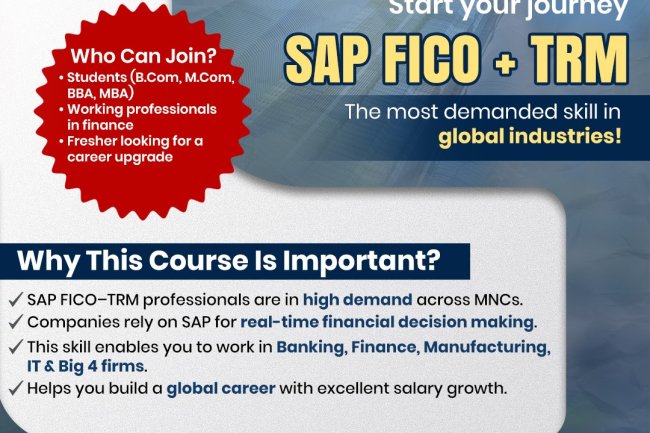
The SAP FICO Training Course by ZebLearn India is designed to help students and professionals build strong expertise in financial accounting and controlling within SAP ERP. The program covers essential FI and CO components such as general ledger, AP/AR, asset accounting, cost center accounting, profitability analysis, and real-time project scenarios. With expert trainers, hands-on SAP server access, flexible learning modes, certification guidance, and 100% placement assistance, the course prepares learners for high-demand roles like SAP FICO Consultant, Financial Analyst, and SAP Support Professional. Ideal for finance students, accounting professionals, and freshers, this training provides a solid foundation for a rewarding SAP career.
-
Learn SAP MM online course and boost your career in procurement and material management with ZebLearn India's expert training program
-
Learn SAP HCM course with ZebLearn India's SAP training program and enhance your career in human resource management
-
A straight comparison of manual and automation testing pay in India — typical salary bands at fresher, mid and senior level, why the gap exists, where the manual-only ceiling sits, and how testers close the gap.
-
Learn about SuccessFactors certification cost and its benefits, get trained with ZebLearn India's SAP SuccessFactors course
-
Learn SAP S/4HANA 2025 and boost your career with ZebLearn India's training program, get certified and increase your salary
-
SAP S/4HANA Finance training is not just a learning opportunity—it’s a strategic move to future-proof your finance career and empower your organization. As businesses accelerate their digital transformation journeys, skilled SAP S/4HANA Finance professionals become invaluable assets.
Don’t get left behind. Embrace the future of finance with SAP S/4HANA Finance training and unlock new levels of efficiency and insight.
-
Unlock SAP MM certification benefits and boost your career in procurement and material management with ZebLearn India's expert guidance
-
So, what is the highest paying SAP module? Specializations like SAP S/4HANA, SAP FICO, SuccessFactors, ABAP, and SAP SD consistently rank among the top in terms of salary potential. However, success in SAP is less about chasing the highest paycheck and more about mastering the module that fits your strengths.
-
Get SAP Fiori certified and boost your career with ZebLearn India's training program, learn from experts and gain hands-on experience
-
Discover the SAP ABAP job description and its benefits, learn how to become an SAP ABAP consultant with ZebLearn India's SAP ABAP training program
-
Unlock the power of SAP SuccessFactors benefits and transform your HR processes with ZebLearn India's expert training and certification program
-
Unlock a successful SAP FICO career with ZebLearn India's expert training and certification, boosting your finance career
-
Discover SAP HR jobs for freshers and kickstart your career with ZebLearn India's SAP training program, trusted by 5,000+ professionals
-
Choosing an SAP training course as a career is a strategic decision for anyone looking to build a stable, high-paying, and globally relevant profession. With strong industry demand, diverse career paths, and continuous innovation, SAP skills remain valuable across industries and regions.
-
-
Learn from top SAP HCM training institutes in India, get certified and boost your career with ZebLearn India's SAP training program
-
Unlock the power of SAP SuccessFactors training and boost your HR career with ZebLearn India's expert-led course
-
Get SAP ABAP certification and boost your career with ZebLearn India's SAP ABAP training program, trusted by 5,000+ SAP professionals
-
Learn SAP MM configuration and boost your career in procurement and material management with ZebLearn India's SAP MM training program
-
Enrolling in SAP training with live projects gives you practical exposure, industry-relevant skills, and career support. With limited batch sizes and growing demand for SAP professionals, applying before the deadline can help you fast-track your professional growth.
-
Get certified in SAP MM training in India 2026 and boost your career in procurement, material management, and inventory control with ZebLearn India's expert-led course
-
SAP MM (Materials Management) is a core SAP module that helps organizations manage procurement, inventory, and vendor processes efficiently. Through SAP MM training, learners understand enterprise structure, material and vendor master data, the complete purchase cycle, inventory management, invoice verification, and integration with modules like SD, FI/CO, and PP. The course is ideal for graduates, engineers, and working professionals in purchase, stores, and logistics who want to build a career in supply chain and SAP consulting. With high demand across manufacturing, retail, IT, and other industries, SAP MM offers excellent job roles such as SAP MM Consultant, Procurement Specialist, and Material Planner.
-
Learn ABAP programming with our beginner's guide and get certified with ZebLearn India's SAP ABAP training program
-
Discover the power of SAP S/4HANA 2026 and unlock its benefits for your business, with ZebLearn India's expert training and certification program
-
SAP BASIS and SAP ABAP training classes provide a strong foundation for building a successful career in SAP technology. SAP BASIS focuses on system administration, configuration, security, and performance management, ensuring smooth and stable SAP operations. SAP ABAP, on the other hand, enables professionals to develop and customize SAP applications to meet specific business requirements. Together, these skills create a powerful technical profile with high industry demand. With growing global adoption of SAP systems, trained professionals can access diverse career opportunities, long-term job stability, and excellent growth potential in the enterprise IT domain.
-
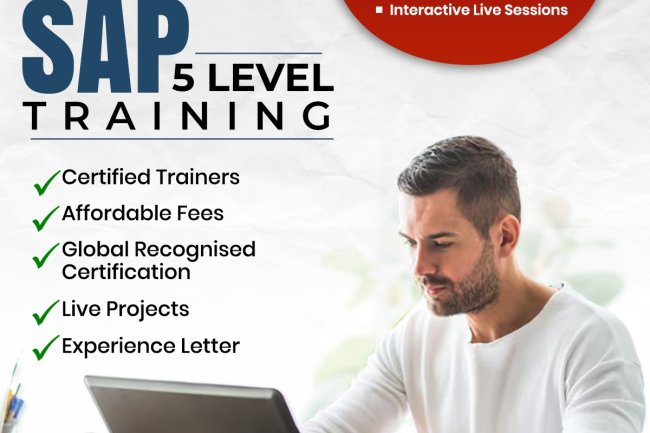
In today’s competitive job market, having practical, globally recognized skills is essential for career growth. The SAP Level 5 Training Program is designed to help aspiring professionals and working individuals gain industry-ready expertise in SAP HCM, SAP SuccessFactors, and Workday. These platforms are widely used by organizations worldwide to manage HR operations, talent, payroll, and workforce analytics efficiently.
-
SAP SuccessFactors training is an excellent choice for anyone looking to build a successful career in HR technology and cloud-based HCM solutions. With increasing global demand and strong career growth potential, mastering SAP SuccessFactors can open doors to rewarding roles in leading organizations. Whether you are an HR professional or a fresh graduate, SAP SuccessFactors training can help you stay ahead in the digital HR era.
-
-
ZebLearn India offers comprehensive SAP MM Training to help professionals and freshers master procurement, inventory, and material management processes. With live sessions, hands-on projects, and guidance from industry experts, learners gain practical skills and certification support to advance their careers in supply chain and SAP domains.
-
SAP FICO and SAP SuccessFactors training provide a comprehensive understanding of financial management and modern HR systems. SAP FICO focuses on accounting, reporting, and cost control, while SuccessFactors specializes in talent management and workforce optimization. Together, these modules create a strong functional skill set that enhances employability and opens doors to rewarding career opportunities, competitive salaries, and long-term professional growth.
-
Unlock SAP BASIS career opportunities and boost your career with ZebLearn India's SAP BASIS training program
-
Unlock SAP Fiori career opportunities and boost your career with ZebLearn India's SAP Fiori training program
-
Unlock high-demand SAP ABAP jobs in India with ZebLearn India's training and certification, and boost your career in SAP development
-
Learn SAP MM implementation for procurement and material management, and boost your career with ZebLearn India's SAP MM training program
-
Unlock SAP ABAP certification benefits, boost career with ZebLearn India's SAP ABAP training program
-
Learn SAP FICO with ZebLearn India's expert-led training, boost career in finance and controlling, and get certified
-
SAP is an excellent career option for commerce graduates due to its strong demand and long-term growth opportunities. SAP FICO is widely considered the best module because it aligns directly with accounting and financial knowledge. Alternatives like SAP MM, SD, and SuccessFactors also offer promising paths depending on your interests. Choosing the right module and gaining hands-on experience can help you build a successful future in the SAP ecosystem.
-
Learn SAP Materials Management (MM) with ZebLearn India — understand procurement, inventory management, and how to start a career in SAP MM.
-
Discover the average SAP ABAP salary in India 2025 and boost your career with ZebLearn India's SAP ABAP training program
-
SAP SuccessFactors is shaping the future of HR by enabling organizations to manage talent more effectively in a digital world. Enrolling in SAP SuccessFactors training is a smart investment for professionals looking to build a stable, high-growth career in cloud-based HR solutions.
With the right training, practical exposure, and guidance, you can become a skilled SAP SuccessFactors consultant and unlock global career opportunities in HR technology.
-
Get SAP FICO training in Delhi and boost your finance career with ZebLearn India's certification program
-
Learn SAP S/4HANA on premise with ZebLearn India's training program and boost your career in SAP
-
SAP BTP Training focuses on building skills required to develop, integrate, and extend SAP applications in a cloud-based environment using SAP Business Technology Platform. It helps professionals gain hands-on experience in application development, data management, analytics, automation, and system integration. With growing enterprise demand for cloud and intelligent technologies, SAP BTP training opens doors to high-paying, future-ready roles such as SAP BTP Consultant, Cloud Developer, and Integration Specialist. It is an ideal choice for SAP professionals, developers, and fresh graduates looking to advance their careers in the modern SAP ecosystem.
-
Discover the SAP BASIS certification cost and its benefits for your career in SAP, enroll in ZebLearn India's SAP BASIS training program
-
Become a certified SuccessFactors consultant with ZebLearn India's training and boost your career in HR management
-
Unlock your potential with SAP SuccessFactors career path and get ahead in the industry with ZebLearn India's training program
-
Understanding what SAP is and how to learn SAP is the first step toward entering a field filled with opportunity. With the right training, practical experience, and certification, you can build a rewarding career in this ever-growing domain.
The key is to start—choose a module that aligns with your goals, commit to learning, and stay consistent. As businesses continue to embrace digital transformation, SAP professionals will remain at the forefront of innovation.
-
Get SAP HR training in India and boost your career with ZebLearn India's SAP course, learn from experts and get certified
-
Discover the power of SAP SuccessFactors features and transform your HR management with ZebLearn India's training program
-
Discover the average SAP SD salary in India 2026 and boost your career with ZebLearn India's SAP SD training program
-
Discover the benefits of SAP SuccessFactors and boost your career with ZebLearn India's expert training and certification program
-
Unlock a high-growth career in SAP with ABAP career path and get certified with ZebLearn India's SAP ABAP training program
-
Discover SAP BASIS jobs in India, learn about industry demand, and boost your career with ZebLearn India's SAP BASIS training program
-
Get SAP FICO course fees in India and learn how to boost your finance career with ZebLearn India's SAP FICO training program
-
Learn SAP MM tutorial with ZebLearn India's SAP MM training program and boost your career in procurement and material management
-
Unlock high-paying SAP FICO jobs in India with ZebLearn India's expert training and certification, boost your finance career
-
Learn SAP MM course in India with ZebLearn India's expert training and certification program, boost your career in procurement and material management
-
High-paying SAP modules in 2026 include S/4HANA, SuccessFactors, EWM, BW/4HANA, ABAP, and FICO. These modules command strong salaries because of their business impact, technical depth, and growing industry demand. With the right training and continuous learning, SAP professionals can build a stable and highly rewarding career.
-
which SAP module is best for beginners? The answer depends on your background and career aspirations. Modules like SAP FICO, SAP MM, and SAP SD are often recommended because they are beginner-friendly and widely used across industries. Meanwhile, technical candidates can explore SAP ABAP for development-focused roles.
-
Learn SAP ABAP vs Java and boost your career with ZebLearn India's SAP ABAP training program
-
Discover the average SAP MM salary in India and boost your career with ZebLearn India's SAP MM training program
-
Discover SAP MM course fees in India and boost your career in procurement and material management with ZebLearn India's expert training
-
Unlock SAP HCM career opportunities and boost your career with ZebLearn India's SAP training program
-
Unlock career growth with SAP ABAP training, learn from experts and get certified with ZebLearn India's SAP ABAP course
-
Discover SAP EWM salary in India and boost your career with ZebLearn India's SAP EWM training program
-
Learn SAP MM with ZebLearn India's expert trainers and get certified in material management, procurement, and inventory management
-
A practical comparison of the MERN and MEAN stacks — what actually differs between React and Angular, which is easier to learn first, hiring demand in India, and how to pick one without wasting months.
-
Discover SAP Fiori salary in India, benefits and career scope with ZebLearn India's SAP Fiori training program
-
Learn SAP MM 2026 with ZebLearn India's expert training and certification program, boost your career in procurement and material management
-
Whether your career goal lies in human resource management or supply chain and warehouse operations, SAP SuccessFactors and SAP EWM are future-proof skills that can significantly enhance your professional growth. With expert-designed training programs, real-time project exposure, and strong career support, ZebLearn India empowers learners to become job-ready SAP professionals and succeed in today’s competitive global market.
-
Unlock SAP FICO certification benefits, boost career with ZebLearn India's SAP FICO training program
-
Discover SAP ABAP salary in India 2026 and boost your career with ZebLearn India's SAP ABAP training program
-
The role of SAP MM in the industry is indispensable for efficient materials and inventory management. Professionals trained in SAP MM become valuable assets, capable of optimizing supply chains, reducing costs, and supporting strategic decision-making. Investing in quality SAP MM training is a smart step toward career growth and organizational success in today’s competitive market.
-
Get SAP EWM training in India and boost your career with ZebLearn India's certified course, learn advanced warehouse management and logistics
-
Discover SAP Fiori jobs in India, career scope, salary and get certified with ZebLearn India's SAP Fiori training program
-
Unlock SAP FICO career opportunities and boost your finance career with ZebLearn India's expert training and certification
-
Get SAP MM certification and boost your career in supply chain and procurement with ZebLearn India's expert guidance and training, starting from INR 20,000
-
Learn SAP EWM with ZebLearn India's expert guide, get certified and boost your career in warehouse management
-
Learn SAP FICO course duration and boost your finance career with ZebLearn India's SAP FICO training program
-
Learn SAP BASIS course with ZebLearn India and boost your career in SAP administration, get certified and increase your salary up to ₹18 LPA
-
A SAP FICO Training Course is a powerful upgrade for anyone serious about a long-term career in finance and ERP. It combines your accounting knowledge with global-standard technology skills, making you more valuable in the job market.
-
Discover SAP BASIS course fees and learn how to become a certified SAP professional with ZebLearn India's training program
-
Migrate to SAP S/4HANA and boost your career with ZebLearn India's SAP S/4HANA training program, learn the benefits and get certified
-
Discover the SAP HR course fees and learn how to boost your career with ZebLearn India's SAP training program
-
Discover the ideal SAP ABAP course duration and boost your career with ZebLearn India's expert training and certification
-
Ten full-stack project ideas that actually impress hiring managers — what each one proves, the features that separate a real build from a tutorial clone, and how to present your portfolio so it survives a technical interview.
-
Discover the SAP HCM certification cost and its benefits, learn how to get certified and boost your career with ZebLearn India's SAP training program
-
Discover the benefits of an SAP Fiori career path and how it can boost your career with ZebLearn India's SAP Fiori training program
-
Discover the power of SAP SuccessFactors 2026 and boost your HR career with ZebLearn India's expert training, get certified and increase your salary
-
SAP training with real-time projects equips learners with practical knowledge, making them job-ready for today’s competitive market. With strong demand for SAP professionals across industries, enrolling in a hands-on training program can significantly enhance your career prospects and help you secure a rewarding future
-
SAP SuccessFactors is transforming how organizations manage their workforce. By investing in SAP SuccessFactors training, you equip yourself with in-demand skills that open doors to global HR tech careers. Whether you are an HR professional, fresher, or SAP consultant, this is the right time to step into the world of cloud-based HR with SuccessFactors and build a strong, future-proof career.
-
Get SAP MM jobs for freshers with ZebLearn India's SAP MM training and certification program, enhancing procurement and material management skills for a successful career
-
Know the SAP ABAP certification cost in India and boost your career with ZebLearn India's SAP ABAP training program
-
Learn what is SAP EWM and its benefits, enroll in ZebLearn India's SAP EWM training program
-
Discover top SAP BASIS training institutes in India, learn about career benefits and get certified with ZebLearn India's SAP BASIS training program
-
Get the best SAP FICO course fees and boost your finance career with ZebLearn India's SAP FICO training program
-
Learn SAP FICO online course and boost your finance career with ZebLearn India's SAP FICO training program, get certified and increase your salary
-
A step-by-step roadmap for learning machine learning from scratch in 2026 — what to learn first, common pitfalls, and how to build real skills instead of just theory.
-
Learn SAP ABAP tutorial and boost your career with ZebLearn India's SAP ABAP training program, get certified and increase your salary
-
Unlock the power of SAP SuccessFactors 2025 and transform your HR management with ZebLearn India's expert training and certification program
-
Unlock your career potential with SAP HR course in India 2026, learn from experts and get certified with ZebLearn India's SAP training program
-
Starting your SAP career with ZebLearn gives you access to industry-relevant training, expert mentorship, practical learning, and career support. With SAP skills in high demand across industries, enrolling in a structured training program can help you secure a rewarding and future-ready profession.
-
SAP FICO and SAP ABAP training classes offer a strong pathway to a successful career in the SAP ecosystem. SAP FICO focuses on managing financial processes, reporting, and cost control, helping organizations maintain accuracy and compliance. SAP ABAP provides the technical expertise needed to develop and customize SAP applications, ensuring systems align with business requirements.
-
Learn SAP MM module with ZebLearn India's expert trainers and boost your career in procurement and material management
-
Learn SAP FICO vs SAP FI differences and benefits with ZebLearn India's expert guidance and boost your finance career
-
Discover the power of SAP SuccessFactors, a cloud-based HR solution, and learn how to leverage it for career growth with ZebLearn India's training program
-
Learn SAP Fiori 2025 with ZebLearn India's training program and boost your career in SAP
-
Learn ABAP programming with ZebLearn India's SAP ABAP training and certification course, boost your career in SAP development
-
Get ABAP training for beginners and boost your career in SAP development with ZebLearn India's expert-led course
-
Unlock a rewarding SAP HCM career path with ZebLearn India's expert guidance and training, boosting your career prospects
-
Learn about SAP S/4HANA certification cost and its benefits, including career growth and salary increase, with ZebLearn India's SAP S/4HANA training program
-
Unlock your potential with SAP ABAP career path, high-demand IT career with ZebLearn India's SAP ABAP training program
-
Discover the power of SAP S/4HANA cloud and boost your career with ZebLearn India's SAP S/4HANA training program
-
Get SAP EWM certified and boost your career with ZebLearn India's SAP EWM training program, experts in SAP training
-
SAP courses provide freshers with a valuable opportunity to develop specialized skills that are in high demand. With flexible eligibility, varying fee structures, and strong job prospects across industries, SAP remains a smart career choice. Selecting the right module and focusing on practical knowledge can help fresh graduates confidently step into a successful professional future.
-
Engineering graduates are well-positioned for SAP careers due to their analytical and technical strengths. Top modules include SAP S/4HANA for future readiness, ABAP for programming-focused roles, MM for manufacturing and supply chain, EWM for specialization, and SD for business integration. Choosing the right module based on your interests can set the foundation for long-term professional success.
-
Learn SAP BASIS vs SAP ABAP with ZebLearn India's expert guidance and boost your career with our SAP BASIS training program
-
SAP ABAP remains a reliable and rewarding career option for those interested in enterprise software development. With its practical approach, expert guidance, and industry-focused curriculum, ZebLearn India’s SAP ABAP Training Course helps learners build real skills that matter in the job market. If you are serious about building a long-term career in SAP, investing in ABAP training is a step in the right direction.
-
Get certified in SAP Fiori training and boost your career with ZebLearn India's expert-led course, covering key features and real-world applications
-
Unlock the power of SAP SuccessFactors with our comprehensive tutorial and boost your HR career in India
-
Discover the best ABAP developer jobs in India and learn how to become a skilled ABAP developer with ZebLearn India's SAP ABAP training program
-
Get SAP S/4HANA certified and boost your career with ZebLearn India's training program, learn key features and benefits
-
Learn SAP SuccessFactors implementation with ZebLearn India's expert guide and boost your HR career
-
Discover the latest on SAP Fiori 2026, its features, and how it can boost your career in SAP with ZebLearn India's expert guidance and training courses
-
Learn ABAP programming with ZebLearn India's SAP MM training and boost your career in SAP development with expert guidance and certification
-
SAP MM is one of the most in-demand and future-ready career paths for professionals aiming to build expertise in supply chain and procurement. With organizations rapidly transitioning to SAP S/4HANA, mastering SAP MM in 2025 can give you a significant competitive edge in the job market.
If you're planning to grow your career in the SAP domain, this is the ideal time to kickstart your SAP MM learning journey and position yourself for high-value opportunities.
-
Learn SAP MM material management with ZebLearn India's SAP MM training and boost your career in procurement and supply chain management
-
Discover SAP HR jobs in India 2025, explore career scope, salary, and learn how to get started with ZebLearn India's SAP training program
-
Discover the SAP MM certification cost in India and boost your career with ZebLearn India's SAP MM training program
-
Discover top SuccessFactors training institutes in India, get certified and boost your career with ZebLearn India's SAP SuccessFactors training program
-
Unlock your career potential with SAP S/4HANA, a next-generation ERP system, and discover the benefits of SAP S/4HANA career path
-
Learn SAP FICO configuration with ZebLearn India and boost your finance career with our expert training program
-
Get SAP HCM certified and boost your career in human resource management with ZebLearn India's SAP training program
-
Unlock high-demand SAP SuccessFactors jobs in India with expert training and certification, boosting your HR career
-
Learn SAP S/4HANA with ZebLearn India's expert guide, get certified and boost your career with our SAP S/4HANA tutorial
-
Learn SAP EWM tutorial with ZebLearn India and boost your career in warehouse management, get certified and increase your salary
-
Learn the difference between SAP Fiori and SAP GUI, and how to choose the right tool for your business needs with ZebLearn India's SAP Fiori training
-
Discover ABAP course fees in India and learn how to advance your SAP career with ZebLearn India's SAP ABAP training program
-
Get SAP EWM training and boost your career with ZebLearn India's expert courses, learn SAP EWM and enhance your skills in warehouse management
-
Get SAP HR training and boost your career with ZebLearn India's SAP course, learn SAP HR modules and get certified
-
ZebLearn India offers a comprehensive SAP FICO Training Course designed for beginners and professionals seeking expertise in SAP Financial Accounting (FI) and Controlling (CO) modules. The course covers key concepts such as general ledger, accounts receivable/payable, asset accounting, cost center, internal orders, and profit center accounting. Delivered through live online sessions by industry experts, the program emphasizes practical, hands-on experience with real-time projects. Flexible batch options including weekdays, weekends, and personalized schedules ensure learners gain the skills needed to excel in SAP FICO roles and boost their career prospects in finance and accounting domains.
-
Unlock the power of SAP HCM module and transform your HR management with ZebLearn India's expert training and certification program
-
Learn SAP HR course duration and boost your career with ZebLearn India's SAP training program, get certified and increase your salary up to ₹18 LPA
-
Learn about SAP HCM course fees in India and boost your career with ZebLearn India's SAP training program
-
Get SAP S/4HANA training and unlock career growth with ZebLearn India's certification program
-
-
Discover top SAP Fiori training institutes in India, unlock career growth with ZebLearn India's SAP Fiori training program
-
Get answers to SAP ABAP interview questions and boost your career with ZebLearn India's SAP ABAP training program
-
Learn SAP ABAP course in India 2026 and boost your career with ZebLearn India's SAP ABAP training program, get certified and increase your salary
-
SAP SD (Sales & Distribution) training focuses on managing the complete order-to-cash business process in SAP, including sales orders, shipping, billing, pricing, and customer management. It is one of the most in-demand functional modules of SAP, widely used across industries such as manufacturing, retail, logistics, and services. The training covers organizational structure, master data, pricing, delivery, billing, and real-time system integration with SAP MM and FI. SAP SD is ideal for graduates, sales professionals, and working executives aiming for ERP consulting careers. With rising global demand and migration to SAP S/4HANA, SAP SD offers strong career growth, high job stability, and international opportunities.
-
Discover SAP ABAP jobs for freshers and kickstart your career with ZebLearn India's SAP ABAP training program
-
Learn SAP ABAP training online and boost your career in SAP development with ZebLearn India's expert guidance and certification
-
Learn SAP HR vs HCM differences, benefits, and career scope with ZebLearn India's SAP training program
-
SAP SD remains one of the most in-demand SAP modules in the enterprise ecosystem. By enrolling in the SAP SD Training Course Online by ZebLearn India, you gain the technical expertise, practical experience, and career support needed to build a successful future in SAP. Take the next step today and unlock exciting career opportunities in sales and distribution with SAP SD.
-
Discover SAP FICO salary 2026 in India, with average salary ranges from ₹4-6 LPA for freshers to ₹18-30 LPA for seniors, and learn how to boost your career with ZebLearn India's SAP FICO training program
-
Discover the world of SAP EWM jobs in India, explore career opportunities, and learn how to get started with ZebLearn India's SAP EWM training program
-
SAP course fees in India vary widely depending on the module, training format, and certification level. Entry-level courses typically start around ₹30,000, while advanced programs with certification can exceed ₹3,00,000. Factors such as institute reputation, placement support, and practical training also influence the cost. Although the investment may seem high, SAP certification can lead to strong career opportunities and higher earning potential, making it a valuable choice for long-term professional growth.
-
Learn SAP EWM course with ZebLearn India and boost your career in warehouse management, get certified and increase your salary
-
Discover the power of SAP Fiori, a user-centric approach to SAP applications, and learn how to unlock its benefits with ZebLearn India's SAP Fiori training program
-
Discover the SAP HCM salary package and its benefits, with average salaries in India ranging from ₹4-6 LPA for freshers to ₹18-30 LPA for seniors
-
Learn SAP EWM online course and boost your career in supply chain management with ZebLearn India's SAP EWM training program
-
Learn SAP HCM training in India 2025 and boost your career with ZebLearn India's SAP training program, get certified and increase your salary up to ₹18-30 LPA
-
Discover SAP ABAP developer salary in India, with average fresher, mid & senior salaries, and learn how to boost your career with ZebLearn India's SAP ABAP training
-
SAP courses are evolving with modern technology, emphasizing S/4HANA, cloud platforms, AI, automation, and hands-on learning. Updated training programs focus on real-world business scenarios, practical skills, and performance-based certification, helping learners build future-ready SAP careers.
-
Discover SAP EWM best practices and boost your career with ZebLearn India's SAP EWM training program, trusted by 5,000+ professionals
-
Learn SAP FICO implementation with ZebLearn India's expert guidance and get certified to boost your finance career
-
A SAP FICO training course is a powerful investment for anyone looking to build or advance a career in finance and ERP consulting. By mastering SAP FICO, professionals gain the ability to manage complex financial processes, support strategic decisions, and contribute significantly to organizational success. With strong demand, global relevance, and continuous innovation, SAP FICO remains one of the most rewarding SAP career paths today.
-
A language training course is a structured learning program designed to build strong communication skills in a new language by focusing on speaking, listening, reading, and writing. These courses use assessments to tailor instruction to individual proficiency levels and apply interactive teaching methods such as conversational practice, multimedia tools, and real-life simulations. Along with grammar, vocabulary, pronunciation, and comprehension, learners gain valuable cultural understanding that enhances real-world communication. Language training courses improve confidence, expand career opportunities, and support personal and academic growth. With flexible learning formats like online, self-paced, and blended models, modern language training programs cater to diverse learning needs and schedules, making language acquisition more accessible and effective.
-
Learn SAP FICO modules with ZebLearn India's expert training and certification, boost your finance career with SAP FICO
-
Get trained in SAP FICO online and boost your finance career with ZebLearn India's expert-led SAP FICO training program
-
Get SAP MM training and boost your career in procurement and material management with ZebLearn India's certification program
-
Unlock SAP HCM jobs in India with ZebLearn India's SAP training, boost career growth and salary up to ₹18-30 LPA
-
If you are looking to build a rewarding technical career in SAP, enrolling in SAP BASIS Training and SAP ABAP Training Program is a smart move. These skills are essential for managing, customizing, and optimizing SAP systems in modern enterprises. With the right training, hands-on experience, and continuous learning, SAP BASIS and ABAP professionals can enjoy long-term career growth and global opportunities.
-
Learn SAP MM vs SAP SD with ZebLearn India's expert guide, covering key features, career scope, and certification benefits
-
Learn SuccessFactors course with ZebLearn India's SAP SuccessFactors training and boost your career in HR management
-
Learn SAP BASIS course syllabus and boost your career with ZebLearn India's SAP BASIS training program
-
A practical guide to breaking into video editing with no prior experience — what skills to build first, how to create a portfolio without clients, and realistic first steps.
-
Get SAP HR certified and boost your career in HR management with ZebLearn India's SAP training program
-
The SAP PPSD course at ZebLearn combines SAP Production Planning (PP) and Sales & Distribution (SD) to give learners a complete understanding of how customer demand is linked to production and delivery. The training covers topics like MRP, BOM, routing, production orders, sales orders, delivery, shipping, and billing. With live trainer-led sessions, practical exercises, and interview guidance, ZebLearn helps graduates and working professionals build strong SAP functional skills and prepare for roles in production, supply chain, and ERP consulting.
-
SAP training is open to a wide range of learners, including students, graduates, and working professionals from both technical and non-technical backgrounds. There is no strict eligibility requirement to start SAP training; however, having a basic educational qualification and an understanding of business or IT concepts can be beneficial. Eligibility largely depends on the SAP module chosen—functional modules suit commerce, management, and domain professionals, while technical modules are ideal for IT and engineering backgrounds. Prior SAP experience or age limits are not mandatory, making SAP a flexible and accessible career option. With the right module selection and hands-on training, SAP offers strong career growth opportunities across industries.
-
Discover SAP SuccessFactors course fees in India and boost your HR career with ZebLearn India's expert training and certification
-
Learn SAP ABAP course with ZebLearn India's expert trainers and get certified, boosting your career in SAP development with high demand jobs
-
Discover the best SAP HR jobs in India, with high demand and excellent salary packages, and learn how to get started with ZebLearn India's SAP training program
-
Get SAP SuccessFactors certification and boost your HR career with ZebLearn India's training program
-
Discover the SAP MM salary range in India, including average salaries at TCS, Infosys, and Wipro, and learn how to boost your career with SAP MM training
-
Discover the average SAP S/4HANA salary in India and learn how to boost your career with ZebLearn India's SAP S/4HANA training program
-
SAP ABAP training is a valuable investment for anyone looking to build a successful career in SAP development. By gaining practical skills and a deep understanding of ABAP programming, you can contribute to customizing and optimizing SAP solutions that drive business success.
-
A clear comparison of the data analyst and data scientist roles — what each actually does, the skills and tools involved, realistic salary bands in India, which is the easier entry point, and how analysts move into data science later.
-
Learn SAP BASIS online course with ZebLearn India and boost your career in SAP with our expert trainers and certification program
-
Discover the best ABAP developer jobs in India 2026 and learn how to become a certified SAP ABAP developer with ZebLearn India's training program
-
Unlock career growth with SAP HCM training, learn human capital management and boost your career prospects
-
Discover the benefits of an SAP HR career path and learn how to get started with ZebLearn India's SAP training program
-
Discover the average SAP HR salary in India and learn how to boost your career with ZebLearn India's SAP training program
-
Discover SAP FICO salary for freshers in India and boost your finance career with ZebLearn India's SAP FICO training program
-
Learn SAP Fiori online course and boost your career with ZebLearn India's expert training and certification program
-
Unlock the power of SAP MM for efficient procurement and inventory management, and boost your career with ZebLearn India's SAP MM training program
-
Learning SAP from zero is completely achievable when you follow a structured path. Understand the fundamentals, choose the right module, gain hands-on experience, and focus on real-world skills. With growing demand across industries, SAP remains one of the most reliable career options for both freshers and working professionals looking for long-term success.
-
Unlock a rewarding SAP EWM career path with ZebLearn India's expert training and certification, and boost your career in warehouse management
-
Unlock SAP S/4HANA benefits, career scope and salary in India with ZebLearn India's expert guide and training program
-
A step-by-step machine learning roadmap for 2026 — the maths you actually need, the Python stack to learn, which algorithms to start with, what projects to build, and how long each stage realistically takes.
-
Get SAP HCM training online and boost your career in human resource management with ZebLearn India's expert guidance and certification
-
Learn SAP SuccessFactors best practices and boost your HR career with ZebLearn India's expert training and certification program
-
Learn about SAP MM job description and its benefits, and discover how ZebLearn India's SAP MM training program can help you master materials management
-
Learn SAP Sales and Distribution to boost your career with ZebLearn India's SAP training program and get expert knowledge in sales, distribution, and logistics
-
Learn SAP HR course syllabus and boost your career in HR management with ZebLearn India's SAP training program
-
Learn SAP MM course duration and boost your career in procurement and material management with ZebLearn India's SAP MM training program
-
Get expert SAP HR training 2026 and boost your career in HR management with ZebLearn India's comprehensive SAP course, featuring real-world examples and India-specific scenarios
-
Kickstart your career with SAP FICO jobs for freshers and get a comprehensive guide on SAP FICO training and certification
-
Learn SAP FICO basics and boost your finance career with ZebLearn India's SAP FICO training program
-
Twenty-five SAP MM interview questions freshers are actually asked, with clear answers — enterprise structure, master data, the procure-to-pay cycle, movement types, special procurement, account determination and S/4HANA changes, plus how to prepare without system access.
-
Compare SAP FICO vs S/4HANA Finance in 2026. Learn key differences, features & career scope. Start your SAP journey today with ZebLearn India!
-
Get SAP S/4HANA training in India and boost your career with ZebLearn India's certification program