SAP Fieldglass Services Procurement Training & Certification Course in India
SAP Fieldglass Services Procurement Training at ZebLearn India is a comprehensive, job-oriented and instructor-led program designed to help students, procurement professionals, service procurement specialists, project managers and ERP consultants become industry-ready SAP Fieldglass Services Procurement consultants. The course focuses on managing external services and service providers through structured procurement processes, including service requisitions, Statements of Work (SOW), work orders, service milestones, deliverables, approvals, time and expense management, invoicing and supplier collaboration. With live online classes, practical exercises, real-time business scenarios, implementation case studies, end-to-end projects and interview preparation, this program provides comprehensive SAP Fieldglass Services Procurement training in India for professionals looking to build a career in services procurement and SAP consulting.
Organizations frequently engage external service providers for consulting, IT services, engineering, maintenance, professional services and project-based work. Managing these services requires visibility into service requirements, contracts, deliverables, milestones, costs and supplier performance. SAP Fieldglass Services Procurement helps organizations manage external services through structured digital workflows and centralized processes. Our SAP Fieldglass Services Procurement certification course helps learners understand how enterprises plan, source, engage, manage and complete external service engagements.
What is SAP Fieldglass Services Procurement?
SAP Fieldglass Services Procurement helps organizations manage the procurement and delivery of external services through structured processes. It supports service-based engagements where organizations work with external service providers for specific projects, deliverables, milestones or ongoing services.
Services procurement can involve activities such as creating service requests, defining requirements, selecting service providers, creating Statements of Work, managing work orders, tracking milestones and deliverables, approving completed work and processing invoices. SAP Fieldglass provides visibility into these activities and helps organizations manage service engagements throughout their lifecycle.
Unlike traditional procurement of physical goods, services procurement often requires organizations to monitor deliverables, milestones, service outcomes and supplier performance. SAP Fieldglass enables businesses to establish structured workflows for managing these requirements while maintaining control over costs, approvals and service engagements.
Why Learn SAP Fieldglass Services Procurement in 2026?
Organizations across industries increasingly rely on external service providers for specialized expertise, technology projects, engineering services, consulting, maintenance and other business requirements. Managing these engagements effectively requires standardized processes for service procurement, supplier collaboration, project tracking and financial control. This creates opportunities for professionals with SAP Fieldglass Services Procurement skills.
As organizations continue adopting digital procurement and external workforce management platforms, professionals with Fieldglass expertise can contribute to implementation, configuration, application support and procurement transformation projects. Learning SAP Fieldglass Services Procurement is particularly valuable for professionals working in procurement, project management, supplier management, consulting and external services operations.
What You Will Learn in this SAP Fieldglass Services Procurement Course
Our SAP Fieldglass Services Procurement training program covers the complete lifecycle of external services procurement. Learners understand how organizations define service requirements, engage service providers, establish Statements of Work, manage service delivery and track commercial and operational outcomes.
The course covers service requisitions, service requirements, service categories, service providers and sourcing processes. Learners understand how organizations initiate service procurement requirements and define the scope, objectives and expected outcomes of external services.
A major focus of the training is Statement of Work (SOW) management. Learners understand how SOWs define the scope of services, deliverables, milestones, service requirements, timelines, commercial terms and responsibilities between an organization and its service provider.
Practical training also covers SOW creation, SOW approval, supplier collaboration, work orders, milestones, deliverables and service tracking. Learners understand how service engagements are monitored after a supplier is selected and how progress can be managed against agreed requirements.
The program also introduces time and expense management, service confirmations, approvals, invoice-related processes, supplier performance and service engagement reporting. Real-time business scenarios help learners understand how organizations control service costs while maintaining visibility into service delivery.
Learners are also introduced to integration concepts involving SAP Fieldglass, SAP Ariba, SAP ERP and SAP S/4HANA. This helps them understand how services procurement can connect with broader procurement, financial and enterprise business processes.
Key SAP Fieldglass Services Procurement Topics Covered
- SAP Fieldglass Services Procurement Overview
- Services Procurement Concepts
- External Services Management
- Service Procurement Lifecycle
- Service Requisitions
- Service Requirements
- Service Categories
- Service Provider Management
- Service Sourcing Processes
- Statement of Work (SOW)
- SOW Creation and Management
- SOW Templates
- SOW Requirements and Scope
- SOW Approval Workflows
- Supplier Collaboration
- Work Orders
- Milestone Management
- Deliverable Management
- Service Engagement Management
- Service Tracking
- Service Confirmation
- Time and Expense Management
- Time Sheet Processes
- Expense Management
- Approval Workflows
- Service Cost Management
- Invoice and Payment Process Concepts
- Supplier Performance Management
- Service Provider Evaluation
- Service Procurement Reporting
- Dashboards and Visibility
- Contract and SOW Management Concepts
- SAP Fieldglass Integration
- SAP Ariba Integration Concepts
- SAP ERP and SAP S/4HANA Integration
- Real-Time Services Procurement Scenarios
Understanding the SAP Fieldglass Services Procurement Lifecycle
One of the most important areas covered in the course is the end-to-end services procurement lifecycle. Learners understand how an organization identifies a requirement for external services and converts that requirement into a structured service procurement process.
The process can involve defining service requirements, identifying or engaging service providers, developing a Statement of Work, obtaining approvals and initiating the service engagement. Once the work begins, organizations can track milestones, deliverables, time, expenses and service completion according to the agreed requirements.
After services are delivered, relevant work records and approvals can support downstream invoicing and payment processes. This end-to-end approach helps learners understand how procurement teams, project stakeholders and service providers collaborate throughout the lifecycle of an external services engagement.
Who Should Join SAP Fieldglass Services Procurement Training?
This course is suitable for procurement professionals, services procurement specialists, sourcing professionals, project managers, supplier managers, vendor management professionals, workforce management professionals, business analysts, ERP consultants and SAP professionals who want to specialize in external services procurement.
Professionals with experience in procurement, strategic sourcing, project management, supplier management, contract management, consulting, SAP Ariba, SAP Fieldglass, SAP MM, SAP ERP or SAP S/4HANA can use this training to expand their functional and consulting skills.
The course is also suitable for fresh graduates and professionals transitioning into SAP procurement consulting. Basic procurement or project management knowledge can be helpful, while the training explains the key concepts required to understand services procurement and Fieldglass processes.
Career Opportunities After SAP Fieldglass Services Procurement Training
After successfully completing this SAP Fieldglass Services Procurement course, learners can pursue multiple career opportunities across services procurement, SAP consulting, supplier management and procurement transformation.
- SAP Fieldglass Consultant
- SAP Fieldglass Services Procurement Consultant
- SAP Fieldglass Functional Consultant
- SAP Fieldglass Implementation Consultant
- SAP Fieldglass Support Consultant
- SAP Fieldglass Configuration Consultant
- Services Procurement Consultant
- SAP Procurement Consultant
- External Services Consultant
- Statement of Work Consultant
- Procurement Business Analyst
- SAP Business Process Consultant
- Supplier Management Consultant
- Procurement Transformation Consultant
With practical Fieldglass knowledge and relevant procurement experience, professionals can work on implementation and support projects involving service procurement, SOW management, supplier collaboration, project-based services, milestones, deliverables, approvals and invoicing processes.
SAP Fieldglass Services Procurement Certification
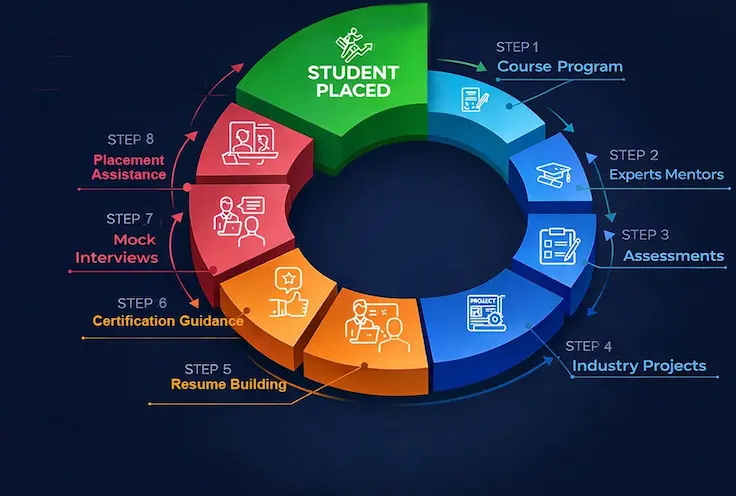
Upon successful completion of the program, learners receive a ZebLearn course completion certificate along with guidance for SAP Fieldglass certification preparation. The training includes practical services procurement exercises, SOW case studies, implementation scenarios, project documentation, interview preparation, resume assistance and mock interviews.
The course emphasizes practical understanding rather than theoretical concepts alone. Learners work through scenarios involving service requirements, service providers, Statements of Work, work orders, milestones, deliverables, approvals, time and expenses and service completion.
Why Choose ZebLearn India for SAP Fieldglass Services Procurement Training?
ZebLearn India provides SAP Fieldglass Services Procurement online training in India with a practical and implementation-focused learning approach. The program combines instructor-led live sessions, practical assignments, services procurement case studies, real-time business scenarios, project exposure and career support.
Instead of focusing only on individual Fieldglass features, the training explains the complete services procurement lifecycle from service requirements and supplier engagement to SOW creation, approvals, service delivery, milestone tracking, deliverables, expenses and invoicing-related processes.
Students also receive interview preparation, resume assistance, mock interview support and placement guidance to help them transition into SAP Fieldglass and services procurement consulting roles. Practical implementation scenarios provide exposure to the types of external services processes consultants may encounter during Fieldglass implementation and support projects.
If you are planning to build a career in SAP Fieldglass Services Procurement, SOW management, external services procurement, procurement consulting or SAP transformation, ZebLearn India's SAP Fieldglass Services Procurement Training and Certification Course provides the practical knowledge, services procurement expertise and career support required to become an industry-ready SAP Fieldglass professional.