-
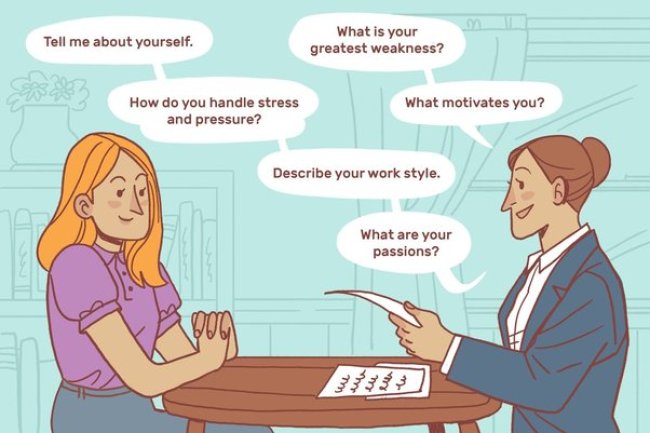
If you mention reading books as a hobby in a job interview, you may be asked questions related to your reading habits, preferences, and how they relate to the job.
-
A friend of mine currently working in HPCL dropped a year before joining HPCL and he was also asked the same question in the interview.
-
Best to start with a strong simple statement about yourself (again related to the job and type of person they are looking for) and expand with a synthesized work history that shows how miraculously every thing you have done up to now has led you to this precise moment and prepared you perfectly for this job!
-
the last thing you want, as a hiring manager, is to send a candidate home before they answer the questions that are important to ask.
-
If you have some guesses or related knowledge that you think may be useful, you can mention them, but make it clear that you aren’t sure. There is only one thing worse than being unsure - being sure and wrong.
-
I had a few steady jobs… and many of day work, part times, and gig works. along with helping out my elderly neighbors, community service, and voluntary work. including with yard sales, flea markets, and metal scrap recycling, plasma donating, and pawning. ( basically a blue collar worker. )
-
you could highlight your understanding of hardware and software systems, problem-solving abilities, and familiarity with technology.
-
you can gain a comprehensive understanding of the EDHRM program's strengths, areas for improvement, and suitability for your professional development needs.
-
providing a clear and positive explanation for the gap, demonstrating your proactive approach to self-improvement, and expressing your enthusiasm for returning to work, you can reassure the interviewer of your readiness and suitability for the role.
-
I believe I am very much capable for this position(don't say job) and I will be a great asset to your firm. I'd surely not feel great about it if I don't get hired here, but I will try to take motivation from the rejection and make myself a better candidate.
-
It's an opportunity to highlight your strengths and demonstrate how you can contribute positively to the organization.
-
A typical college day can vary depending on the specific program or schedule. However, a full-time college student might spend anywhere from 12 to 18 hours per week in class, which could be spread out over several days. This would include time spent in lectures, labs, and tutorials. Additionally, students are expected to spend time outside of class on studying, assignments, and other academic activities.
-
if you have never interacted with HR earlier). If you have connected with the same HR during the interview process then I suggest you to initiate.
-
Suppose you are in a jungle and have a matchbox with just one matchstick in it. You have no fuel, no lantern, no torch, no stick, nothing. You confront a tiger.
-
By highlighting aspects such as growth opportunities, supportive work culture, impactful work, flexibility, and recognition, you can demonstrate your enthusiasm for your job and align your responses with the positive values and attributes promoted by Zeblearnindia.com.
-
My friend (S), quite beautiful (you’ll know soon why i mentioned this :p), recently sat for an interview . The interviewer as usual asked her about her biggest weakness .
-
The combination of medical knowledge and business acumen can be valuable in various leadership positions. However, specific career paths and opportunities may vary based on your individual skills, experience, and the requirements of the companies or organizations you are interested in.
-
Some well-regarded institutions known for their MBA programs in HR include Wharton School at the University of Pennsylvania, Harvard Business School, and Stanford Graduate School of Business.
-
These questions can help assess the candidate's experience, skills, and approach to business development, providing valuable insights into their suitability for the role.
-
By employing these techniques, HR professionals can gain a more comprehensive understanding of candidates' personalities, traits, and suitability for the position. This holistic assessment helps ensure that organizations make informed hiring decisions and select candidates who align with their culture and values.
-
The interviewer may also ask about your long-term career goals, how you handle challenges, and your fit with the company culture.
-
The best answer is certification. Different universities and organizations offer various certifications that will buff up your resume and skill set. The added bonus is that if you get accredited certifications these can also be used towards potentially other courses down the line (if you did want to pursue another or higher degree in the future).
-
But despite all the issues, the bright spot was that the faculty they got to teach them the courses were real good with a lot of substance. So, on the learning front, I don’t think they were let down by the institute.
-
By combining your MBA education from these prestigious IIMs with Zeblearnindia's online courses and resources in HRM, you can develop a comprehensive understanding of HRM principles, practices, and strategies to excel in your career in human resources.
-
Consider factors such as your professional background, industry trends, job market demands, and personal preferences when making your decision. Additionally, you may want to research the specific offerings, faculty expertise, alumni network, and placement opportunities associated with each course at TAPMI and Zeblearnindia to make an informed choice.
-
I strongly believe a technical person like me has an analytical mind, creative skills, right attitude and aptitude to take up any work and do justice to the requirement.
-
They have the responsibility to ensure that the candidate is the right fit for the position and the organization.
-
when asking such questions, it's essential to frame them in a positive and constructive manner. Instead of focusing solely on how the company compares to its competitors, you can phrase your question in a way that highlights your interest in the company's strengths and what sets it apart in the market.
-
I always work hard, keep myself motivated and patient till I get my appraisal ratings. Which I am continuously getting good since I have started working.
-
You'll be asked different types of questions, honestly. Let's start with the technical questions which I was bombarded with. Firstly, I'm an aeronautical engineer so yes, I expected my interview to be the hardcore one and it didn't fail my expectations.
-
-
Are there resources to support faculty start-ups? Can faculty get startup leave? (Even if you don't have a start-up. Even if you never plan to have a start-up.)
-
You can approach this question by highlighting the transferable skills and knowledge that you gained from your engineering background that are relevant to marketing or sales.
-
It's important to answer these questions authentically, drawing from personal experiences and values, and to express a genuine commitment to the UWC mission of promoting peace and a sustainable future through education.
-
You can mention the college's reputation, academic resources, faculty expertise, or any unique programs or opportunities that attracted you.
-
However, the interviews cover other things like system design, or discussion about algorithms (sorting), data structures or different approaches trade-offs in extreme scenarios.
-
You can acknowledge the existence of any arrears or backlogs, but focus on how you've worked to address them.
-
he see himself working over a pc all day or is it better to do 50% on the pc and 50% interfacing with staff and customers?
-
The main reason is that they expect candidates for long term because they spend too much from recruitment to training. It is not that they ask this to every candidate rather they ask this only to those candidates whose Resume or CV looks pretty impressive for an MBA.
-
Remember to maintain a confident and positive demeanor while addressing this question, and use specific examples to support your narrative. The goal is to reassure the interviewer that while you've had multiple job changes, each transition has been purposeful and has contributed to your growth as a professional.
-
While it's essential to strive for strong interview performance, remember that perfection isn't always expected or necessary. Focus on showcasing your strengths, demonstrating enthusiasm for the role, and building rapport with the interviewer to maximize your chances of success, even if you didn't ace every question.
-
You can mention any professional development courses, volunteer work, freelance projects, or personal growth activities you were involved in during the gap.
-
I received two promotions at my first human resources assignment and stayed at that company for nine years. I was very active in SHRM and served in many volunteer roles.
-
Changing from HR to analytics is fine but with 15 years experience, you need to understand or tell me what your priorities are . If you are planning to start your own company then learning majority of analytics subjects makes sense OR if you wish to continue in HR domain then doing projects relevant to HR analytics makes sense.
-
t's important to demonstrate your commitment to the company and your career growth within the organization. You could mention your aspirations to have taken on more responsibilities
-
I had a project (or assignment, or report) due on second Monday in April. I'd been working on planning throughout March, leaving actual project implementation behind and concentrated more on preparing for XYZ programming contest which was there in the end of March, which I eventually won. When April started, I started working for it.
-
It's important to be prepared to discuss a range of technical topics that align with the role and the company's requirements.
-
I would emphasize the importance of teamwork and collaboration. I would express that while individual recognition is nice, the success of the team as a whole is most important.
-
However, common questions may include ones related to the candidate's technical knowledge, problem-solving abilities, teamwork skills, and their understanding of HPCL's operations and values.
-
A phone interview is usually the second time you are in contact with the company and the first time you speak with HR.
-
Overall, requesting documents after the interview is a standard practice in many organizations to ensure that candidates meet the necessary criteria for the role and to facilitate the hiring process efficiently.
-
It's important to note that the impact of HRM can vary across organizations, industries, and contexts. However, the overall significance lies in HRM's ability to attract and retain talent, enhance employee performance and engagement, foster a positive work culture, ensure legal compliance, and align HR practices with organizational goals—all of which collectively contribute to organizational success and sustainable growth.
-
A common route is to pursue a bachelor's degree in human resources, business administration, or a related field. Another option is to pursue a diploma or certification in HR management. Additionally, gaining practical experience through internships or entry-level HR positions can also be valuable.
-
These questions may vary depending on the specific job requirements and the company conducting the interview. It's important to prepare by reviewing common accounting principles, industry trends, and practicing responses to behavioral and technical questions.
-
The duration between the two interviews doesn't necessarily impact your chances of rejection.
-
if you are interviewing for a Team Lead position today, say “I would be handling higher responsibilities for the company say at a senior managerial level”.
-
I have one point you can deliver them (HR) that s/he might or might not like. I don't know. I haven't tried it.
-
The course structure is simple, consisting of online webinars and live classes. There are weekly assignments tailored to your course, which I find to be the best part of the course. These assignments truly transform your profile and prepare you for the freelancing world in a professional manner. They boost your confidence and help you understand what truly matters. The approach towards assignments and classes is efficient and practical.
-
For me the most important part is not knowing/handling dubious code constructs, but more - choosing good long term approach, so an answer like “I would likely fail to solve such issue this time, but do this and that to be able to solve it next time it occurs” is totally fine.
-
HR interview is an opportunity for the bank to assess your fit with their culture and values, as well as your qualifications.
-
You must first ask yourself, are you really willing to go for higher studies. If you are sure about it, then you must rather not take up the job.
-
By opting for an MBA in HR after completing a CA qualification and acquiring relevant HR training from platforms like Zeblearnindia.com, individuals can leverage their financial expertise while developing the necessary skills and knowledge to excel in the dynamic field of human resource management.
-
Please note that while these courses are often free to access, some may offer certificates for a fee. Be sure to explore the course details and any certification options before enrolling. Additionally, make sure to verify the course's relevance to your specific HR needs and the credibility of the course provider.
-
The last thing that you should do is to shy away from this & not express yourself. You should come out as a bold, confident, friendly & humorous person who has had its share of struggles but who came out a winner.
-
It also gives you the opportunity to demonstrate your ambition, vision, and commitment to professional growth.
-
By providing responses like these, you can demonstrate your ability to overcome challenges, your commitment to self-improvement, and your resilience in the face of adversity. These qualities are highly valued by interviewers and can leave a positive impression during high school or college interviews.
-
if you feel there is no room for advancement, it is best to quit the work and look for a job that interests you.
-
Preparing for these types of questions can help you demonstrate your readiness for the MBA program and showcase your strengths and qualities as a candidate. Additionally, mentioning any relevant courses or certifications you have completed through Zeblearn India can underscore your commitment to continuous learning and professional development in the business field.
-
Additionally, you can inquire about the possibility of fulfilling the missing class requirement through alternative means, such as taking an equivalent course, completing additional training or certification, or demonstrating proficiency in the relevant subject matter through work experience or other qualifications.
-
If you want to be really good in sales, you need to be hungry. You need to be the kind of person who will do whatever it takes to close. Some of my best sales agents have been a little bit 'fuzzy' about the rules and policies.
-
we need to ensure that we are mentoring/up-skilling people under us to take our role.
-
even if we’re highly confident of the skill, we need to put it under 9, to make it believable and to be able to answer questions based on it.
-
These questions can help candidates gain a better understanding of the company and the role, and demonstrate their interest and engagement in the opportunity.
-
In summary, both the content of your answers and your presentation style are essential in job interviews. By leveraging resources from Zeblearn India to develop strong content and enhance your interview skills, you can effectively showcase your qualifications and make a positive impression on the interviewer.
-
other organization and pragmatically practice your learnings in the previous organization over a large sample of resource.
-
One approach could be to emphasize the positive steps taken during the period of unemployment, such as acquiring new skills, volunteering, or pursuing further education.
-
An MBA in HR is suitable for anyone, regardless of gender. Human Resource management is a field that requires a diverse set of skills and perspectives, and individuals of any gender can excel in this area. It's important to pursue education and career paths based on personal interest and skills, rather than gender stereotypes.
-
After completing 10th grade, you can pursue a 12th-grade education and then enroll in a bachelor's degree program in human resources management or a related field. Alternatively, you can opt for a diploma or certification course in HR after 10th grade. Gaining practical experience through internships or entry-level HR positions can also be beneficial for a career in human resources. It's important to continue your education and stay updated with the latest trends and practices in HR to enhance your career prospects.
-
I got a lot of cross questions on extracurriculars and few questions on technical aspects. There are a few questions that I couldn't answer and there are some questions which gave me an unsatisfactory feeling.
-
essential for candidates to prepare thoroughly for both technical and HR questions, emphasizing their relevant skills, experiences, and alignment with Bosch's values and culture
-
"Where do you see yourself in the next 5 years?" it's important to provide a thoughtful and realistic response. Some effective replies could include
-
you can expect questions related to your skills and experience that are relevant to the role you are applying for.
-
It is completely true that some recruiters see frequent job shifts as a complete suicide. They feel that this exposes your lack of commitment and is a question about your loyalty.
-
These questions can help you engage with the HR or experts, gain valuable insights, and make the most of your webinar experience.
-
use a professed weakness such as a lack of experience (not ability) on your part in an area that is not vital for the job.
-
As far as I know this course is the best in the country for HR in terms of exposure, training and course fees.
-
You should prepare as diligently as you did for the first interview. Review the information you learned from previous interviews and develop ideas on how you can benefit the company in the future, should they decide to hire you.
-
Overall, your answer should convey a genuine interest in the job and the company, along with a clear understanding of how you can contribute to its success while also fulfilling your own career aspirations.
-
I started as a sole practitioner in a small city. That was a huge struggle, unsustainable without a 2nd income from my spouse.
-
while Zeblearnindia.com may not directly influence the interview practices of Facebook and Google, candidates can leverage its resources to prepare comprehensively for interviews and enhance their chances of success in competitive tech company hiring processes.
-
while technical interviews focus on evaluating the candidate's technical competencies and problem-solving abilities, HR interviews assess their interpersonal skills, cultural fit, and overall alignment with the organization. Zeblearnindia.com may offer resources to help candidates prepare for both types of interviews by providing technical training materials as well as guidance on soft skills development and interview preparation techniques.
-
You might explain that you made a conscious choice to focus on gaining practical experience in your field or that you felt your skills and knowledge were best suited to on-the-job learning.
-
By addressing these points in your interview answers, you can effectively communicate your readiness and enthusiasm for transitioning from a recruiter to HR operations role.
-
Making a bad hire can be very costly to the employer! Often a manager will make a quick decision because the position needs to be filled, only to find the employee is wrong for the job/team and has to be let go. So, much more time is consumed.
-
consider practicing coding problems and whiteboard exercises to enhance your problem-solving skills and familiarity with JavaScript-related challenges commonly encountered in technical interviews.
-
It will likely cover topics such as data analysis, statistical methods, data visualization, and business intelligence tools, all of which are highly relevant to a career in analytics.
-
The goal is to find candidates who can meet the job specifics, who want to work for your company and who's personality will mesh well with other employees within the area you are considering placing the candidate.
-
By following these tips and leveraging resources like Zeblearnindia.com for skill enhancement, you can effectively navigate the interview process and position yourself as a strong candidate despite the gap in your employment history.
-
The main challenge is not completing your classes it's the work you have to do after your classes from .ppts to assignment to studies to extra circulam to certification courses (to enhance your c.v.).
-
My suggestion is do not look out for standard or best answers on social media. Instead while answering this question think of yourself as an individual and why you are better than the others.
-
A diploma in HR can provide you with specialized knowledge and skills related to managing human resources within organizations. The program typically covers topics such as recruitment and selection, employee training and development, compensation and benefits, labor laws, performance management, and organizational behavior.
-
These questions are designed to assess candidates' personality traits, problem-solving abilities, communication skills, and cultural fit within the organization. It's essential for candidates to approach tricky HR questions with confidence, honesty, and a willingness to engage in meaningful dialogue with the interviewer. Practicing responses to these types of questions can help candidates prepare for unexpected challenges during the interview process.
-
you can highlight how your HR specialization equipped you with a deep understanding of people management, conflict resolution, communication skills, and an understanding of organizational dynamics, which are essential in sales, business development, customer relationship management, and accounts roles.
-
Remember that self-assessment is just one part of the evaluation process, and it's important to be honest and transparent about your skills and experience.
-
I hope a few years down the lane, I achieve a decent position in the company and my colleagues respect me and look upon me.
-
Remember that transitioning to a new career takes time and effort, so be patient and persistent in pursuing your goal.
-
We were given a case study that a fairness cream has an ad campaign in South Africa that the model gets fairer by using the cream but people misinterpreted it as racism.
-
it's always a good idea to come prepared with thoughtful questions for the interviewer, as it demonstrates your interest in the position and can help you gather important information to make an informed decision about the job.
-
When it comes to the Technical and HR round (Round 2 of the recruitment process), I would say it was easy. There was only one interviewer on the panel and was very friendly.
-
If you really just were laying on your back the whole time, and you absolutely cannot imagine any sort of organized activity you were engaged in, the only option you got is to openly admit it and clearly explain the reason why that happened.
-
I've interviewed 1000s of people and it happens a lot, when the candidate is so nervous they dont quite understand the question, I usually just rephrase it for them.
-
"Problem Solving in Data Structures and Algorithms using C" by Hemant Jain is a great resource for preparing for data structure questions in a C/C++ interview. It covers a wide range of data structures and algorithms with examples in C.
-
One of the longest interviews I've had and I was the only person shortlisted out of 120 students. There many questions in the interview which were cool.
-
you will not be asked much in the interview. You will however definitely be asked what projects you have worked on and what skills were used in that.
-
I understand that you had asked about placements in particular, but I took this opportunity to elaborate on everything related to placements as well, since that shouldn’t be the only aspect you look at before taking admissions.
-
You can join any small organisation or BPO for the HR training. But it might not help you in the long run in order to succeed as an HR professional in your career. You might succeed as well, but you'll have to push extra hard for the same.
-
I do like to ask a question like this from interviewees. I'm mostly probing to see how senior they are by looking at what kinds of issues they worry about.
-
The first is work according to my field of specialzation and secondly - conducive working environment.
-
I hope a few years down the lane, I achieve a decent position in the company and my colleagues respect me and look upon me.
-
it's important to be honest and to highlight your genuine interest in the PCM CS combination course. You can talk about how this combination aligns with your academic and career goals, and how it will provide you with a strong foundation in both science and computer science, which are fields you are passionate about.
-
You can talk about how this combination aligns with your academic and career goals, and how it will provide you with a strong foundation in both science and computer science, which are fields you are passionate about.
-
Talent Acquisition , Compensation, Payroll, HR Analytics, PMS, Employee Engagement and so on. Better to be skilled in all these and try becoming HR Generalist.
-
You can express your dedication to the job and your willingness to put in extra hours when the situation demands it.
-
Here i am listing interview questions set ,please go through it and if you have any concern or doubt please feel free to contact me
-
I encouraged questions and actively listened to the team's feedback to gauge their comprehension level. I also remained patient and empathetic, recognizing that they were learning new concepts outside their expertise.
-
It's important to note that interview questions may vary based on the specific role and project requirements at TCS. It's always a good idea to prepare for technical interviews by revising core Java concepts and practicing coding exercises.
-
This can open up career opportunities in healthcare management, administration, and HR leadership roles within healthcare organizations.
-
Make sure to convey your merits and genuine interest in pursuing an MBA to the interviewer to the best of your ability in the course of your MBA interview. When answering the question "Why this school?", demonstrate your well-researched understanding of the programme and express your specific interest in it.
-
it's essential to strike a balance between honesty and presenting yourself in the best possible light. Choose weaknesses that are relevant to the job but also demonstrate your self-awareness and willingness to improve.
-
HR does know liars and BS artists. Does know when the dots don’t connect when you relate stories about past jobs.
-
while it was a difficult experience, I'm grateful for the opportunity to learn and grow from it. I believe that acknowledging our mistakes and using them as learning opportunities is crucial for personal and professional development.
-
Ultimately, whether combining HR and business analytics in an MBA program is worth it depends on your career goals, interests, and the specific offerings of the MBA program you're considering. If you're passionate about leveraging data to drive HR decisions and are interested in both HR management and analytics, this combination can provide a solid foundation for a successful career in HR leadership roles.
-
Remember, HR professionals appreciate honesty and authenticity. By addressing the situation openly and positively, you can present yourself as a capable candidate despite the extended duration of your B.Tech.
-
In my mind infinite questions occur. I try to find those answers and whatever I search and find the content which leads to the department of mechanical engineering.
-
If you are more interested in working with people, managing talent, and handling organizational dynamics, then human resource management might be a better fit for you.
-
Additionally, I am drawn to the collaborative culture and opportunities for professional growth and development within the organization.
-
We are interviewing a lot of people these days and here are the tricks and techniques used by candidates to have their wa
-
In this first instance, you apply your understanding of people and their psychology to try to spot the ones who ‘fit’ with the new team. Will they get along, will they be honest, hard-working, smart enough, interested enough in the work to stay, learn and do well?
-
As data becomes increasingly important in HR, a certificate program in HR analytics can help you develop the skills needed to use data to drive business decisions.This certification is offered by the HR Certification Institute (HRCI) and demonstrates mastery of the technical and operational aspects of HR management.
-
Preparing thoughtful and well-articulated answers to these common HR interview questions can help candidates make a positive impression and showcase their qualifications and fit for the role and organization.
-
How do I answer an HR person who asks me if I'm planning a pregnancy at the time of joining a company?
-
the decision to pursue an MBA was driven by my desire to leverage my technical background and combine it with a comprehensive understanding of business principles to pursue leadership roles and make a meaningful contribution to organizations.
-
These questions can help you gain a better understanding of the company and the specific role, while also showing your enthusiasm and commitment to the potential position.
-
However, whether or not you get rejected for not asking questions at the end of an interview would depend on various factors, such as the overall impression you made during the interview and the specific preferences of the interviewer.
-
You may be asked about your portfolio, your previous work experience, and your motivations for pursuing the program.
-
Additionally, behavioral-based questions that assess a candidate's past experiences and how they handled specific situations are becoming more common.
-
To sort the array of strings containing alphabetical values or to check whether the strings are anagram of not.
-
Having said that, folks have recently started avoiding DP questions as mentioned in another answer. The reason could be that they test a very specific type of intelligence which doesn’t correlate well with actual developer skills.
-
Nobody is taking away the education I’ve received during the last four years of my B.Sc. I’ve been fascinated by the reputation and prestige of IBA, which is well regarded as the best business school in the country
-
By following these steps and tailoring your response to the specific context of the interview, you can provide a compelling answer that demonstrates your thoughtful consideration, professionalism, and alignment with your career goals and values, all while incorporating any relevant experiences with Zeblearn India.
-
these tips and leveraging resources from Zeblearn India to enhance your interview preparation, you can effectively answer the question "Why should we hire you?" in a Cognizant onsite interview and increase your chances of securing the job offer.
-
If you don't recruit me I will get selected for company B. Company B has selected 30 students for interview and are going to select 15. Let me tell you that most of the students that were shortlisted by your company are in the shortlist for other company as well.
-
When I started my preparation for the meeting I expected the time I had allotted would be sufficient but it quickly became apparent that in order for me to put my best foot forward, I require more time to sufficiently prepare.
-
I have written my Pega Exam on Aug 16th 2023 and attended my interview on Aug 26th 2023 and I got to know that I was placed on Aug 29th (As Pega Students were only 1800 throughout the India, the process went faster but a bit difficult too)
-
To become an HR professional in the aviation industry, consider pursuing a degree in human resources, business administration, or a related field. Gain experience through internships or entry-level positions in HR departments, preferably within aviation companies or related industries. Networking within the aviation industry and obtaining HR certifications can also enhance your credentials. Keep up with industry trends and regulations to stay competitive.
-
to look after family business or to support family members you have to move back to your hometown. Then they will ask, why didn’t you continue with them ? Why did you risk your career, why didn’t you figure out some alternative ?
-
An MBA can provide you with a deeper understanding of human resources management and strategic business practices, which can be valuable in advancing your career in HR. However, it's important to consider the cost of the program, the potential for career growth, and how the MBA aligns with your long-term career goals before making a decision.
-
They may also be asked about their career goals, their reasons for pursuing a career in chartered accountancy, and their ability to handle work pressure and deadlines.
-
I love my coworkers, but I am no longer growing in my current role. I want to learn new things and get new responsibilities, but when I asked I was told nothing is currently open
-
This response acknowledges the question while demonstrating a proactive and solution-oriented mindset. It also highlights your ability to handle challenges professionally and your dedication to delivering results. For more interview preparation resources, you can explore zeblearnindia.com's offerings on interview techniques and communication skills.
-
The other thing to note that's particular to Google is that my interface to the process is that I talk to you, then I write 1,000 to 1,500 words on how that went, and that's it. No meeting, no shades of gray, no nonverbal iffiness. The more you can demonstrate that you really grasp the problem, the better an essay I can write. Please, please, help me write a great essay about you. Think out loud.
-
It's important to prioritize your health and well-being. Holding in urine for an extended period of time can lead to discomfort and potential health issues. It's best to speak with your teacher or professor about taking a short break during class to use the restroom. Additionally, staying hydrated throughout the day can help regulate your need to use the restroom. If possible, try to visit the restroom before class to minimize the discomfort during longer sessions.
-
Handling mistakes is an integral part of most jobs so if you messed up one question but handled it correctly it could actually increase your chances of getting a job offer.
-
I walked all the way from cyber city magarpatta to Koregaon park where my friends were residing. The longest and lonelinest walk of my life where I just wanted to run away from rest of the world. I kept walking for an hour when a friend came looking for me. When I reached, nobody said a word.
-
By preparing thoughtful and articulate responses to these questions, you can demonstrate your readiness and suitability for the role of head boy and make a positive impression during the interview process.
-
The amount of data used during a 6-hour Zoom video class can vary based on the video quality and other factors. As a general estimate, a 1-hour Zoom video call at standard definition (SD) quality can use around 540MB of data, while at high definition (HD) quality, it can use around 1.08GB of data. So, for a 6-hour class, the data usage could range from approximately 3.24GB to 6.48GB for SD and HD quality respectively. Keep in mind that these are estimates and actual usage may vary.
-
If i were a crayon, i would like to be the colour in the mind of a blind person. I know that sounds strange , but I do have my logical reasoning with it.
-
Remember to tailor your response to your specific situation and the job you're applying for, and practice articulating your answer confidently before the interview.
-
I think that should be good enough for the company to recruit you. However, if you say you vegetated at home and did nothing but watch TV for 2 yrs, that may not be a good enough reason.
-
While these signs can suggest that your interview went well, it's important to remember that there are many factors that can influence the hiring decision. It's best to remain positive and patient while waiting for feedback from the HR team.
-
However, a strong response might emphasize your passion for helping others, your interest in fostering a positive and inclusive work environment, and your desire to contribute to the overall success and well-being of an organization's employees.
-
However, remember that while it's a good sign, it's not an absolute guarantee of an offer. There could still be some final evaluations or formalities they need to complete.
-
Asking these types of questions can lead to insightful discussions and provide valuable perspectives on the prime minister's priorities, policies, and vision for the country's future. Additionally, relating the interview topics to relevant courses available on Zeblearn India can demonstrate your understanding of key issues and your commitment to continuous learning and professional development.
-
so I don’t know about their performance. All good candidates deserve a decent consideration.
-
These questions are designed to assess a candidate's problem-solving skills, ability to think critically in sales scenarios, and their approach to overcoming challenges in a sales role.
-
the actual questions may vary depending on the specific role, industry, and company. Preparation is key, so candidates should review the job description, research the company, and practice answering both technical and behavioral questions to increase their chances of success in the interview.
-
Analyse your answers and ensure that you do not talk anything ill of your present and previous companies - be it individuals, policies or practices.
-
This answer highlights important qualities such as proactiveness, adaptability, continuous learning, collaboration, and a commitment to making a positive difference, which are valued by HR professionals.
-
Zeblearn India is an online learning platform focused on providing training courses in various fields, including IT, data science, management, and more. It does not have a direct connection to music tours or events featuring artists like Elton John and Billy Joel.
-
Firstly, software development offers opportunities to work on cutting-edge technologies and innovative projects, allowing you to contribute to the advancement of various industries.
-
Approach the Initial Screening Interview as an opportunity to showcase your qualifications, passion for HR consulting, and fit for the role and company. By preparing thoroughly and demonstrating your enthusiasm and expertise, you'll increase your chances of success in the interview process.
-
asking for a detailed example of a time when they had to resolve a conflict with a colleague or a difficult customer, or when they had to manage a project with tight deadlines and limited resources.
-
HR roles after completing a B.Tech degree and acquiring relevant HR training from platforms like Zeblearnindia.com, individuals can leverage their technical background while developing the necessary skills and knowledge to succeed in the dynamic field of human resource management.
-
Most AP courses replace required General Education courses normally taken in the first two years of College; such as Biology, Chemistry, US History, Foreign Language… The benefit of taking AP courses is that you can skip those associated G.E. courses and you’ll have a stronger college application with those courses listed on your academic C.V. In other words, most universities would not consider High School A.P. courses equivalent to Junior/Senior level college courses required to complete your Major.
-
As per my experience you can expect 3–6 questions among below questions in any interview.
-
the questions are asked according to your interest, for example the question asked to me
-
Before attend the actual interview you need to practice to know more about your interview skills. Practice interviews are used to boost your confidence and provide new strategies to ace your interviews.
-
After acquiring knowledge of various languages, I went on for some interviews. But on the very first interview itself, one question made me to think about was why did you change your field?
-
The technical interview will focus on your specific skills and knowledge, so it's a separate opportunity to demonstrate your abilities.
-
The goal of a job interview is not necessarily to answer every question perfectly but to demonstrate your qualifications, skills, and fit for the role.
-
you discovered a passion for commerce and believe that your science background has equipped you with valuable analytical and problem-solving skills that are transferable to a career in commerce.
-
By preparing thoughtful responses to these tricky questions and practicing your delivery, you can navigate the HR interview with confidence and make a positive impression on your potential employer.
-
I just didn't find the job challenging enough. As a new graduate, I strongly feel I need to find what works for me early in my career.
-
If you are interested in HR, try to get in one of the top IIMs, XLRI, TISS or SCMHRD. For HR I really don't think Tapmi is a right choice, although with the new HRM course things might change over the years.
-
Every conservative community, who beat their chests our daughters/sons would not do this and they would not do that. But when they saw the money and openings they filled the institutes to its tits. There was no problem to be a nurse even from very conservative families
-
These are just a few examples of the HR courses offered by Zeblearn India in Noida. Each course is designed to provide practical skills, industry insights, and hands-on experience to prepare participants for successful careers in Human Resources.
-
please bring your all work to them and show it to them ( this is my advice because they check how hard working you are and please bring everything you have done like portraits, canvases ,etc.)
-
Remember to also prepare for behavioral and cultural fit questions, as these are just as important as technical questions in the interview process.
-
You can start by expressing your gratitude for the opportunity and confirming the details of the interview, such as the date, time, and location. It's also a good idea to ask if there is anything specific you should prepare or bring with you to the interview.
-
Remember to prepare thoughtful responses that highlight your strengths, experiences, and alignment with the university's values and academic offerings. Additionally, practicing mock interviews with friends, family members, or mentors can help you feel more confident and articulate during the actual interview.
-
These questions are designed to assess your communication skills, problem-solving abilities, teamwork, and motivation. Preparation and practice, including taking relevant courses from Zeblearnindia.com, can help you articulate your answers confidently and effectively during the interview process.
-
I truly enjoy interacting with people because it allows me to build meaningful connections and understand different perspectives. Engaging with others provides valuable opportunities for learning and growth, both personally and professionally. I appreciate the chance to collaborate and work together towards common goals.
-
There's no way I'll put you in front of a senior Stakeholder if you can't deliver a short, relevant example of your work. They don't have time for a lengthy monologue.
-
Zeblearnindia.com has helped me understand that effective human resource management is essential for harnessing the full potential of technology and driving organizational success.
-
If you're uncomfortable sharing this information, you can politely decline to answer by stating that you prefer to focus on the value you can bring to the new role and are open to discussing a fair and competitive salary based on the responsibilities and expectations of the new position.
-
By following these tips and leveraging resources available on platforms like Zeblearnindia, you can effectively prepare yourself for a software engineer internship interview at Google and increase your chances of success.
-
Emphasize any hands-on experience, problem-solving skills, leadership roles, and teamwork experiences that demonstrate your readiness for the position you're interviewing for.
-
If there were a very specific context and definition of the expected skillset one could have done its own avaliation and define the grade.
-
my interview has ended which Lasted for around 32 minutes. There was no separate Hr round, but at evening of 19th may, I received a call from HR and he asked me some personal questions like family background, future plans etc.
-
Consider exploring their courses on both HR and business analysis to gain insights into the skills required for each role and the career opportunities available in both fields.
-
By combining clear explanations with relevant examples and insights into your teaching approach, you can effectively showcase your expertise and suitability for an assistant professor role during the interview. Leveraging resources from Zeblearn India, such as pedagogy-focused courses or mock teaching sessions, can further enhance your preparation and confidence in addressing interview questions.
-
By following these steps and exploring the resources available through Zeblearn India, you can apply for HR courses after completing your 12th grade and kickstart your journey toward a career in human resources management.
-
Some of the questions I ask may be intentionally tough and answering them with any real precision on the fly can be close to impossible. (Btw, if a question is that tough, at least in an interview I'm running, it's likely a test of how you react under pressure or whether you can acknowledge that you just don't know, not a hunt to pull a phenomenal response.)
-
The HR who contacted me, is the worst. It was a referral and she had contacted me night after 9 and asked if she can schedule an interview tomorrow. I asked her for which location, she said bangalore.
-
It's also important to be familiar with BYJU'S as a company, its products, and its mission.
-
A BA in Human Resource Management may have a stronger focus on liberal arts, emphasizing critical thinking, communication, and problem-solving skills.
-
The legal knowledge and analytical skills gained during law school can be valuable in HR roles, especially in areas such as employment law, policy development, and dispute resolution.
-
job searching is stressful, so it’s ok if your answer is something like “I’ve been focused on updating all of my professional profiles, portfolios and job search materials
-
HR manager, it's important to ask questions that can help you understand the company culture, your role and responsibilities, as well as the benefits and policies.
-
You can politely acknowledge that you may not have the specific technical knowledge they are seeking, but emphasize your willingness and ability to learn and adapt.
-
You may also be asked situational or behavioral questions to gauge how you would handle specific work-related scenarios.
-
Zeblearn India offers a variety of online courses and certifications covering these tech skills and more, tailored specifically for HR professionals. You can explore their course catalog to find relevant programs that suit your learning goals and schedule. Additionally, consider leveraging online resources, webinars, and communities to stay updated on emerging HR tech trends and best practices.
-
This response demonstrates your self-awareness, willingness to acknowledge areas for improvement, and commitment to professional growth, which are all qualities that HR professionals value in candidates.
-
By following these steps and practicing beforehand, you'll be well-prepared to ace your first interview.
-
Many organizations hire B.Com graduates for HR roles, especially if the graduates have taken relevant courses in HR management, organizational behavior, or related fields during their studies.
-
Remember to tailor your questions based on the specific role, company, and industry. Asking thoughtful questions not only demonstrates your interest but also helps you gain valuable insights into the company culture and expectations.
-
If you have been working in a product company which follows necessary standards like proper source control, automated deployment, automated testing for every step, documentation, I am sure you should not have any problem cracking the interview
-
I loved the way the HR panel interacted with the students, the way they gave the presentation, and then of course the final HR round.
-
this question has no specific correct answer. Hence, one of the answers can be, “Jump out of the blender”. It seems too weird but it can work.
-
you not only gain valuable insights into the company and the role but also demonstrate your genuine interest and enthusiasm for the opportunity.
-
You already have an offer, why haven’t you accepted it?” Treat the question respectfully. It’s a fair question after all.
-
"Yesterday, I started my day by reviewing my task list and prioritizing my activities based on deadlines and importance. I spent the morning tackling a project that required focused attention and completion by the end of the week. I broke down the project into manageable tasks and made significant progress by completing a substantial portion of it.
-
I can tell you that common interview questions for Human Resource Managers often revolve around assessing their expertise, leadership, and ability to handle complex HR situations.
-
You can politely decline to answer by stating that the question does not seem relevant to the job or that you prefer to focus on your qualifications and experience related to the position.
-
When deciding between MBA and PGDM, consider factors such as program accreditation, curriculum structure, industry relevance, and career aspirations. Additionally, explore opportunities for skill development and specialization in HR through online courses and certifications offered by Zeblearn India.
-
There are many companies and temp agencies (who hire and then contract temp workers out to various organizations) and they hire people to recruit. In many cases they seem to hire and train workers to recruit who don’t have a lot of other experience or special courses in HR, so I would try applying to those sorts of companies to see if you can get a job there and learn to recruit.
-
Answers to these questions can vary based on individual experiences and knowledge. It's important to prepare for these questions by practicing your responses and being ready to provide specific examples from your academic and professional experiences.
-
If you have chosen not to pursue higher studies, you can explain your decision by highlighting the value of gaining practical experience, personal growth, or specific career opportunities that you believe will be more beneficial for your professional development.
-
You need to sound like you want the RIGHT job and that you’re being picky. Companies want the best performers, and the best performers are picky in their job hunt.
-
Be prepared to discuss your qualifications, experiences, and motivations for joining the company. Additionally, express enthusiasm for the opportunity and ask any questions you may have about the role or the organization.
-
So,it started with formal introduction ,i was alone in front of panel of 2 professors.They told me I was the first person that day who didn't came along with parents
-
you can effectively navigate the question "Are you smart?" in a job interview, showcasing your intelligence and suitability for the role while demonstrating professionalism and confidence. Additionally, leveraging resources from Zeblearn India, such as interview preparation materials and courses on communication skills, can further enhance your ability to craft compelling responses and present yourself positively during the interview process.
-
By following these steps, you can effectively prepare for your HR job interview and position yourself as a qualified and confident candidate.
-
Gain knowledge of the technology which is allied to your domain but which you are not currently working in. This would project that you are interested to learn.
-
if the column from which a value is to be retrieved changes (say, from the third to the fourth column) then the formula will return the wrong result.
-
The perfect answer would be that I will not only look for the compensation part but also the work domain and the learning curve of the company and the company reputation offcource.
-
Additionally, you may be asked about your academic background, your communication skills, and your ability to adapt to different environments and cultures.
-
it's important to approach the interview with honesty, professionalism, and authenticity. While you can gain insights from others' experiences, focus on showcasing your own skills, experiences, and qualifications during the interview. Avoid trying to use "tricks" and instead focus on demonstrating your genuine interest in the role and your ability to contribute effectively to the company's HR objectives.
-
HR management, organizational psychology, or a related field. Additionally, there are professional certifications such as the Professional in Human Resources (PHR) or Senior Professional in Human Resources (SPHR) that can enhance your credentials.
-
Although I was excited to get the position initially, I came to understand that the role was substantially different. Therefore, it seemed a poor idea to remain in a position where nobody was getting what they wanted.
-
Overall mixed experience. No current affair. Much emphasis on why HRM ? Some cross questioning even from extempore during interview.
-
Before you interview, read over your resume. Make sure you can give a 30-second elevator pitch about your projects, and a five-minute overview of each. Be able to talk about why you chose the project, what your role was, what choices you made, how the result compared to your expectations, and whether or not the project was successful.
-
If HR seems more interesting to you, by all means pursue that. And if you do, I’d highly recommend taking some extra accounting anyway. Knowing some accounting can be extremely useful to HR folks particularly those that have anything to do with payroll, benefits administration, etc.
-
If you have chosen HR as a career, you must be prepared to handle the challenges in managing employee related issues. Since you are keen to work in the management side that handles people in an organization.
-
These questions cover various aspects of React development and provide insight into the candidate's knowledge, experience, and problem-solving abilities. Depending on the specific requirements of the role and the project, you may tailor the questions accordingly.
-
It’s always better to know and understand the categories of those illegal questions as opposed to knowing a laundry list of specific questions that are not permitted.
-
In many cases, candidates may face rejection after progressing through multiple rounds of interviews, including both technical and HR rounds. Therefore, it's crucial for candidates to prepare comprehensively for each stage of the interview process, addressing both technical competencies and soft skills, to enhance their chances of success.
-
However, a strong response might involve emphasizing your passion for working with people, your interest in creating positive work environments, your desire to contribute to organizational success through talent management, and your understanding of the strategic role HR plays in driving business outcomes.
-
If you are interested on how does it happen technically. It depends though. If that’s some small company of 50 Engineers than it can be an email or even in person feedback summary.
-
please bring your all work to them and show it to them ( this is my advice because they check how hard working you are and please bring everything you have done like portraits, canvases ,etc.)
-
If you choose a career doing things that you’re neither good at, nor enjoy, it’s time to think about doing something else.
-
Make sure you know every detail included in your project. They are keen on asking how much you have learnt from it.
-
Connect with professionals in the HR field through networking events, LinkedIn, and professional organizations.
Building relationships with people already working in HR can provide valuable insights and potential job opportunities.
-
Can someone with a computer science background study for a Master of Human Resources Management (MHRM) degree online?
-
while learning to code can offer valuable benefits for HR professionals in certain roles and industries, it's not a mandatory requirement for all HR careers. Evaluate your individual circumstances, career aspirations, and learning preferences to determine whether acquiring coding skills aligns with your professional goals.
-
The field of information technology is constantly evolving, and there are many resources available to help individuals update their skills and knowledge.
-
About my family:we are XXX members. My father runs a business and my mother is home maker. I have one brother he is doing a job and one sisters.she is a post graduated.
My short term goal is to get placed in organization like yours where I can work satisfactorily.
My long term goal to see your organisation at peek position where I am one of the persons responsible for it.
-
Let’s say you applied for a job 4 months ago - then applied again today. In both instances, you were not an employee of the company. You were a candidate. By definition, you are not subject to the policies of a company if you are not their employee.
-
The major skill you acquire is “learning to learn to learn.” That is having the skills to seek out the techniques of learning on your own that help you get to the solutions to problems that you confront. For example, if you become an engineer and you are faced with an engineering problem, you may not know off the top of your head the exact mathematical formulas you need to solve the problem, but you know how to research the mathematical techniques you will need to solve the problem. If you are a lawyer, you know how to search for the legal precedents that will help your case.
-
This information can provide the interviewer with a better understanding of the candidate's character, work ethic, and potential cultural fit within the organization.
-
These are just a few examples, and the specific courses or professional studies to pursue will depend on your career goals, interests, and the evolving needs of the HR industry. It's also worth considering gaining practical experience and exposure to different facets of HR through relevant work opportunities.
-
Overall, the decision to have a weekly off on Wednesday reflects a strategic approach to scheduling that takes into account the needs of both students and staff, as well as broader cultural and operational considerations.
-
There are many ways on which the HR analyse the abilities but the most common are behavioral and situational based. The behavioral questions are included in your interview in order to get a preview of your future actions using the examples from your past. Therefore, your behavior in certain situations in previous job can be a reliable indicator of what your actions will be in the future
-
You might be asked about your recognitions and achievements in running and walking.
-
Obviously, you should have the skills to get the job done - your CV and answers in person check that off. But beyond that, they want someone they can have lunch with, smile at in the hall, learn from at the conference table, and bounce ideas off of.
-
now you must have surely gained convincing abilities. You could easily say a number equal to your No. Of Organizations worked +2 just not to over throw that you got selected in all interviews that you attended.
-
Communicating that you are similarly organized in your career plans builds alignment in the eyes of the hiring manager that “you think like us and will fit in here”.
-
You can politely call the company's HR department and mention that you interviewed for a specific position on a specific date, and that you were told that HR would be in touch.
-
As soon as you'll enter the room you'll see around 4 teachers. One will be the school principal and the the second one would be the hostel warden. The other 2 would be the subject teacher of whatever stream you have opted for.
-
A consultant is like the friend who helps figure out the puzzle by asking questions, giving advice, and finding solutions.
-
Additionally, while Zeblearn India may not offer the CHRMP Edge Program specifically, it provides a variety of online courses and certifications in HRM, leadership development, talent management, and more. These courses can complement participants' learning and provide additional skill development opportunities in HRM.
-
My turn for MR came. I entered into the room with smile. Interviewer seemed rude asked me to sit with accepting my smile. He started going through my CV.
-
Indian companies charge a very large hourly fee to the foreign client including shift allowance & transport charges. What you end up getting paid is very low. That's the very business model of the Indian companies.
-
I got a grouped into very good group of debators in the GD round but fortunately we did a very clam and poised discussions on the topic "Is mobile phone really helping or harming us" (I don't remember the exact words).
-
people you know were too eager to start working in lucrative jobs, that they never had a chance to realize what they actually want in life and are now
-
key responsibility areas KRAs and KPIs Key performance indicators for those areas and how would you relate them? For a business where one has to look after customer escalations.
-
Sometimes, interviewers are able to gather the necessary information in a shorter amount of time. It's also possible that the interviewer had scheduling constraints.
-
If you aren’t, you can tell them that you see yourself being the best (whatever position you are interviewing for) at the company, an helping those around you to get better as well.
-
I'm excited about the opportunity to contribute to projects that drive innovation and make a positive impact. In five years, I envision myself in a role where I can lead a team and collaborate closely with stakeholders to achieve strategic objectives.
-
I have faced similar situations that have allowed me to develop relevant skills and qualities. For instance, in my previous role, I haven't directly managed a team conflict, but I have experience facilitating group discussions and mediating interpersonal disputes.
-
Make a few notes about what you find that looks interesting and find things that you can ask the interviewer (positive news only) about the future of the company based on the news you find.
-
There is no right or wrong answer to subjective questions. Ideal answers are the ones that are most relevant and impactful. Keep the following points in mind while answering any
-
This response demonstrates professionalism, honesty, and a genuine interest in the position while also acknowledging that you're actively exploring different opportunities. It assures the interviewer that you're committed to making an informed decision based on what's best for your career trajectory.
-
This can involve meeting with multiple team members, completing assessments, or participating in various interview stages. While a long interview process can be tiring, it doesn't necessarily indicate a negative outcome.
-
During real software engineering, when you get a project you have to ask many questions. There are many confusions and doubts that are often created. Before planning or designing your solution you should understand the aim, requirement and impact of your project clearly.
-
Your MBA in HR will give you valuable skills that are transferable to the teaching profession, such as communication, problem-solving, and project management. Be sure to highlight these skills in your resume and cover letter. Network with teachers. Talk to teachers in your area and get their advice on how to get started in the profession.
-
the key to preparing for an HR interview in a short amount of time is to stay focused and organized. By doing your research, preparing your answers, practicing your skills, dressing appropriately, and asking thoughtful questions, you will be well-prepared for your interview and increase your chances of success.
-
By leveraging your B.Tech degree along with specialized HR training, networking, practical experience, and continuous learning opportunities provided by Zeblearnindia.com, you can certainly position yourself for a successful career transition into the HR field.
-
Changing careers can be a challenging but rewarding process. To transition from HR to a software developer, you will need to gain the necessary technical skills and experience.
-
If you will choose some cities and tell them to locate you in those cities, chances are high they will prefer that candidate who is adaptable in nature.
-
Here is what I recommend when I am training students, friends, and family about best interviewing practices.
-
It's important to research and choose courses that align with your career goals and the specific needs of the organizations you aspire to work for. Additionally, consider seeking out courses that offer certifications or credentials recognized in the HR field.
-
By showcasing these qualities and experiences, you'll demonstrate why you're the best candidate to become a class representative or join the school council.
-
Remember to tailor your answers to reflect your own experiences, skills, and aspirations, and demonstrate your genuine interest in transitioning into HR operations.
-
Above all be honest!! Choose an area that you are accomplished in and try to show how the Universities resources can help you achieve a particular goal in this field.
-
Ultimately, your ability to articulate how your marketing experience aligns with HR roles and your commitment to learning and adapting to the HR domain will be critical in making a successful transition. Networking with HR professionals, seeking mentorship, and exploring internship opportunities can also help facilitate your career shift to HR.
-
This was a great opportunity to show off how I think about stuff, how I write my tests, how I split my code, how I name my variables, how I apply DRY and SOLID principles, what sort of interactions I have with a programming pair.
-
I assume this is post an interview. There are a whole bunch of things that people overlook while interviewing. Incumbents usually focus on the most tangible and evident of things.
-
while I may be at the early stages of my career, I am committed to leveraging the MBA experience to unlock my full potential, pursue my passions, and position myself for long-term success in the field of [mention industry or sector].
-
Are you planning to assess with an online, unsupervised test with no supervised follow-up testing for those who pass the online version? Have you thought this through? If so, OK. Go for it. I’m not a fan, personally, but there is no law that says you can’t do it (in my jurisdiction, at least), at least. Others will have different views.
-
These questions will help you gain a better understanding of the role, the company's projects and processes, and the expectations for success in the position. Make sure to tailor your questions based on the specific details provided during the interview.
-
Then you are asked to walk towards the board and take a chalk piece. You may be asked the subjects of your choice and questions are mostly from that particular subjects.
-
The interview panel will assess your communication skills, so practice speaking clearly and articulately. You can also practice answering common interview questions.
-
Pairing a human resource degree with additional courses can enhance your skills and career prospects. Some excellent courses to consider pairing with a human resource degree include
-
By considering these attributes, interviewers can design technical questions that effectively evaluate candidates' skills and suitability for the role while providing a positive and engaging experience during the interview process.
-
Pretty much, this was all. It was an amazing experience . The interview pannel acted so cool and made me feel much comfortable during my interview which melted away my nervousness.
-
Preparing thoughtful and well-articulated responses to these types of questions, along with showcasing your enthusiasm, confidence, and readiness for the MBA journey, can significantly enhance your performance in IIM interviews. Additionally, highlighting any relevant learning experiences or skills acquired through Zeblearn India can further demonstrate your commitment to personal and professional growth.
-
"I have excellent skills in this programming language and I am very quick and efficient at coding. My documentation is clear and concise. But I am not perfect and I will always have room for growth and learning."
-
one way of answering this question would be to direct it to something you are passionate about and you can answer questions on the same.
-
I told No my interest is dancing I just do it in my leisure time and won some competitions, my hobby is investing/studying in stock market... as I wanted questions on it, but anyway she continued about dancing
-
One year is way enough to prepare for a software interview as long as you spend enough time everyday.
-
The field of Human resources refers to the people that make up the workforce of an organization or company. Human resource programs can provide additional skills, knowledge, and training for working in the exciting and people-oriented field.
-
To prepare for the GPSC interview for the Class 2 Assistant Engineer (Mechanical) position, you should focus on the following areas:
Technical Knowledge: Review the fundamentals of mechanical engineering, including thermodynamics, fluid mechanics, machine design, manufacturing processes, and engineering materials. Be prepared to answer questions related to your field of study and practical applications.
Current Affairs: Stay updated on current events, especially those related to the engineering industry, technological advancements, and government policies affecting the field of mechanical engineering.
GPSC Syllabus: Familiarize yourself with the GPSC syllabus for the Class 2 AE (Mechanical) exam. Ensure that you have a solid understanding of all topics listed in the syllabus and focus your preparation accordingly.
Practice Mock Interviews: Practice mock interviews to improve your communication skills, confidence, and ability to articulate your thoughts clearly. Consider seeking g
-
This response demonstrates your ability to adapt your skills to different industries, your enthusiasm for technology, and your alignment with the company's values and objectives.
-
There could be several reasons for the delay in their response. It's possible that they are still in the process of finalizing the offer, or they may be waiting for approvals from higher management.
-
it is not always a strict requirement. Many universities and colleges offer HRM as a standalone course or as part of a broader business or management program.
-
One of the key aspects of HR is understanding and working with people, and a degree in human development provides you with a solid foundation in psychology, sociology, and interpersonal skills. When it comes to managing employee relationships, comprehending how people behave at work, and fostering a positive workplace culture, this knowledge can be priceless. Your experience in human development can also give you a unique perspective on HR priorities like organisational behaviour, employee training, and talent development.
-
the use of either of them depends on the interview you are facing. Certain interviewers will be like that they want to know everything you are aware of.
-
Preparing responses to these questions with specific examples from your academic projects, internships, and extracurricular activities can help demonstrate your qualifications and readiness for a career at Tata Motors. Additionally, researching the company's values, recent projects, and industry trends can help you tailor your answers and showcase your enthusiasm for the role.
-
HR has to deal with people from various backgrounds, level of experience and skills on a day to day basis.
-
These interview questions, along with others tailored to the specific role and organization, help me assess the candidate's skill set, experience, and potential cultural fit. By asking probing questions and actively listening to the candidate's responses, I can better evaluate their qualifications and make informed hiring decisions.
-
while being asked about your availability to start is a promising sign during a job interview, it's not a definitive indication that you have secured the job. It's essential to respond professionally and provide a clear timeline based on your circumstances and any potential notice periods. Additionally, continue to follow up appropriately after the interview to express your continued interest and inquire about next steps in the hiring process.
-
You should ask the interviewer if they want a one minute, five minute, or ten minute explanation, and adjust the depth you go into accordingly.
-
By framing your gap year experience positively and demonstrating the value it added to your personal and academic growth, you can effectively justify the gap to the interviewer and present yourself as a motivated and capable candidate.
-
did better than 98% of the interested candidates. I wish that if I am suitable for the job, my CGPA shouldn’t affect your decision. ..however, that’s my opinion. You’re the best judge.
-
I’d recommend certification and mentorships as a combination to give yourself the most accelerated path to learning and growing your skills in HR. different ways overall to upgrade your skills for HR would be courses, certifications, and experiences.
-
It's possible that they want to delve deeper into certain aspects of your qualifications or experience, or they may want to see how you interact with the team in a more informal setting.
-
it's important to highlight your unique skills, experiences, and qualities that make you a strong candidate.
-
He cleared group discussion after that somehow he managed to clear technical interview(he is very bad at technical stuffs and promoted for HR interview.
-
But when it comes to company placement PPT's (pre-placement talks), the dress code is either business formals or business casuals, as specified by the institution.
So you should find out if your B-school has a dress code for regular classes else you can dress up like any normal college student (rules of decency are applicable of course).
-
When starting a business, it's important to do your research, create a business plan, and identify your target audience. With the right skills, experience, and motivation, you can turn your HR expertise into a successful business venture.
-
You want to become familiar with the kinds of questions as well as the many ways they can ask the same question. You want to get to the point where nothing is going to surprise you (no ‘deer in the headlights look’ when an unanticipated question is asked).
-
The best way to handle this is give a good answer to the question just like you did the first time. Getting frustrated about having to repeat yourself will only make you look bad.
-
When answering these questions, it's important to be honest, concise, and focused on providing specific examples and results. Additionally, it's essential to show enthusiasm and a genuine interest in the role and the company.
-
By following these tips, you can effectively navigate unexpected interview questions and demonstrate your ability to think on your feet and adapt to different situations.
-
Remember to prepare specific examples from your experience to illustrate your answers.
-
I would purchase a small indoor plant or a motivational poster to enhance the aesthetics of the workspace and promote a sense of well-being among employees. Alternatively, I could use the funds to buy office supplies or stationery items that improve efficiency and organization within the building.
-
It's important to research and compare different centers based on your specific needs and goals to determine which one is the best fit for you.
-
If you are interested in becoming an HR manager, I encourage you to start by gaining relevant work experience and getting certified in HR. You should also network with HR professionals and build your English skills. With hard work and dedication, you can achieve your goal of becoming an HR manager.
-
When I have taken time off, I have tried to accomplish things even if it was a much-needed break, a house project, spending time with my family, travel etc.
-
By presenting your gap in a positive light and demonstrating the value you gained from the experience, you can effectively address any concerns the interviewer may have and showcase your readiness for the position.
-
Everybody like to talk about honesty but they hardly value in a corporate environment.
-
I got HR number from one of my friend and every time he says that they do not have position to map.
-
If you haven’t heard anything and say so, I imagine that the next thing to happen will tell you something about the company culture and ask whether you will fit it. For instance, it could be that they are extremely customer-focused and want new employees who are also customer focused.
-
Remember to tailor your questions to the specific context of the school and position, and use them as a way to demonstrate your genuine interest in the role and your commitment to being an effective educator.
-
Absolutely, it is possible to shift your career from HR to marketing. While the two fields are different, there are transferable skills that can be valuable in both. Skills such as communication, understanding human behavior, and project management can be beneficial in marketing roles. You may need to gain some marketing knowledge and experience, possibly through courses, certifications, or entry-level positions, but it is definitely achievable with dedication and effort.
-
"I appreciate the opportunity to discuss my qualifications for this role. I want to be honest and share that my weakness is English communication. However, I am fully committed to improving my language skills and have been actively taking courses and practicing every day to enhance my ability to communicate effectively. I am confident that with my dedication and hard work, I will continue to make progress and be a valuable asset to the team."
-
Preparing thoughtful responses to these questions and demonstrating enthusiasm for the HR profession can help freshers make a positive impression during their HR interviews.
-
By approaching the interview with patience, flexibility, and a willingness to adapt your communication style, you can effectively navigate the conversation and showcase your qualifications for the technical position, even if the HR person lacks technical expertise.
-
They all asked me the same questions. I felt like recording my answer and playing it back to each.
-
I see myself still looking on the internet for answers to complex problems personal to me. I intend to pick the answers I like best and provide those to my employers as though they were my original work. I certainly will not have developed any creative ability on my own.
-
By structuring your response around these key points, you can effectively showcase your project management skills, problem-solving abilities, and capacity to thrive in challenging environments, aligning with Cognizant's expectations for its employees.
-
HR should approach the topic with sensitivity and respect for the candidate's privacy. It's important to frame the question in a way that allows the candidate to comfortably decline to answer if they prefer not to disclose that information.
-
It demonstrates your commitment to the field, enhances your knowledge and skills, and can potentially lead to career advancement and higher earning potential. Additionally, it can provide you with a strong professional network and access to ongoing professional development opportunities.
-
This can provide you with valuable knowledge and skills that will be beneficial for your future studies and career in HR.
-
you can highlight how your mechanical background has provided you with strong problem-solving and analytical skills, which are valuable in the IT industry.
-
Before pursuing an MBA in HR, it would be beneficial to consider courses or certifications related to human resources, organizational behavior, leadership, and management. Some relevant options might include a Professional in Human Resources (PHR) certification, a Society for Human Resource Management (SHRM) certification, or courses in organizational development, strategic HR management, and employment law. Additionally, gaining practical experience in HR through internships or entry-level positions can provide valuable insights and skills that will complement an MBA in HR.
-
HR professionals play a crucial role in recruiting, training, and retaining talent, as well as in shaping workplace policies and culture.
-
The interviewer checked out his 'passion'! All questions were related with aerospace, perhaps to test whether he has the knowledge he claimed; he scored high because he wasn't lying.
-
If you have an outgoing and spontaneous personality, can influence people with your words and actions, and live in the moment, marketing management might be your cup of tea.
-
By providing a genuine and thoughtful explanation of your one-year gap, showcasing your productive activities and personal growth during that time, and expressing your eagerness to return to the workforce, you can effectively address the question and leave a positive impression on the interviewer.
-
the smallest things such as writing a proper email to candidates, always being there for them or going an extra mile to help them with feedback, matter a lot in the long run to create a great employer brand.
-
Zeblearn India offers various online courses and certifications related to MBA preparation, business management, leadership development, and specialized areas of business administration. These courses cater to individuals from diverse educational backgrounds and provide valuable knowledge and skills relevant to the business world.
-
Before enrolling in any course, it's a good idea to reach out to the course organizers or administrators to ask questions and gather more information about the program's suitability for your needs. Additionally, consider alternatives such as online courses, workshops, or other certifications if they align better with your learning objectives and budget.
-
In technical interviews, you can expect to be asked coding problems, algorithmic questions, and questions related to your projects and internships. Be prepared to explain your approach to problem-solving and to write code on a whiteboard or using a coding platform.
-
these tips and preparing thoroughly, you can give a successful interview with HR and increase your chances of landing the job.
-
you can effectively address the question of intelligence during a job interview, showcasing your strengths and suitability for the role while maintaining professionalism and confidence. Additionally, leveraging resources from Zeblearn India, such as interview preparation materials and courses on communication skills, can further enhance your ability to craft compelling responses and present yourself positively during the interview process.
-
My referred to a company, which was small with employee size of about 100. I cleared all the rounds and final round was with the Founder of the company (let’s call him X).
-
But for the purpose of this question I assume you refer to HR Analytics as a CoE and the interview is for a entry level role in this CoE.
-
By emphasizing your proactive approach to learning, your commitment to ongoing growth and development, and your ability to take ownership of your learning journey, you'll convey to the interviewer that you're a motivated and self-directed individual who is well-suited to thrive in a dynamic and evolving work environment.
-
I will dig into the problem as much as the candidate can answer until I have gotten the type of data I can from that question.
-
It's also possible that the interviewer was already impressed with your technical skills based on your resume or previous work, and wanted to use the interview to gauge your personality and fit within the team.
-
While these are general examples, I hope you get the idea. You can talk about the books you read, groups you are active on etc and the learnings you get from your network.
-
Prepare for your Amazon interview by reviewing the company's leadership principles and thinking of examples from your past experiences that demonstrate these principles. Additionally, practice coding challenges and problem-solving scenarios relevant to your role.
-
Three-hour classes in college are often used for subjects that require more in-depth exploration, such as laboratory work, studio art, or seminars. These longer class periods provide students and instructors with extended time for hands-on learning, in-depth discussions, and immersive experiences that may not be possible in shorter class sessions. Additionally, having longer class periods can reduce the number of days per week that students need to attend a particular class, allowing for more flexibility in their schedules.
-
I was becoming way more unhealthy than I already was because I didn't have time to. I would spend the remaining 6 hours in the day (after taking out 8 to sleep) by taking breaks from the work, going to the bathroom, eating, and drinking water.
-
I did have a handful of thought-problems I might pull out if I thought they would help me investigate the way the candidate handled uncertain situations. I know from talking with my peers that these were different from questions they used.
-
Technical interviews on the other hand are field specific interviews. So the questions here would be related to field of your course or the position for which you are applying to
-
Yes, it is possible to switch from a sales role to a human resources (HR) role after gaining two years of experience in sales. While the transition may require additional education or training in HR, your experience in sales can still provide valuable skills such as communication, negotiation, and relationship-building that can be relevant in an HR role. It's important to network with HR professionals, gain relevant knowledge and skills, and possibly pursue additional education or certifications to increase your chances of successfully transitioning to HR.
-
Generally, an MBA program in Human Resources involves a rigorous curriculum that covers areas such as organizational behavior, talent management, employment law, and strategic HR management.
-
While Zeblearn India may offer HR courses and certifications that complement traditional college education, it's essential to thoroughly research and assess HR colleges in Mumbai based on the factors mentioned above to make an informed decision about your education and career path.
-
After you have that exchange, then if you are really interested in the position, consider whether you are really close enough in compensation to reach an agreement. If you are way off, it is unlikely you and the company may be able to come together. Or if you do, there could be resentment on their part or your part, which could manifest itself in future raises.
-
Interviewers typically look for candidates who can articulate a clear and coherent career narrative, demonstrate alignment with the role and organization, exhibit ambition and drive, and convey a genuine passion for their chosen field. By preparing thoughtful responses and showcasing your unique career journey, you can make a compelling impression during the interview process.
-
you demonstrate your genuine interest in the company and gain valuable insights into its culture, values, and employee experience.
-
I realized that I had a strong interest in the business side of the industry. I found that I was passionate about understanding the financial and economic aspects of scientific research and how it translates into real-world applications.
-
I would advise you to refrain from telling everything like everyone else is saying. Everybody like to talk about honesty but they hardly value in a corporate environment.
-
What will be your step if member of your team doesn't like the work, what they have been assigned with ?
-
By leveraging your transferable skills, demonstrating a strong willingness to learn, and showcasing your enthusiasm for the role, you can increase your chances of success in securing an HR manager position, even without prior HR experience.
-
As, I am a fresher, I don’t have any work experience, but I strongly believe that I am much more capable in giving significant contribution that will be surely beneficial for the company’s growth point of view. My contribution will surely place company at top. For a long time, I was trying to get into this company, but just now I got a chance. I can ensure you that I will always try to focus on company's vision, goal, and things that can become a reason of company success.
-
Well not completely. Yes, you can get a job in HR without MBA or PGDM, but the problem is you won’t be paid good and you will be treated like a slave. The reason is because most of big MNC hire people for HR roles only if the candidate holds an MBA.
-
I can't say their company is my dream company as it was just a start-up and had been started a year back.
-
preparing thoughtful responses to these questions and demonstrating your expertise in data science, you can impress HR and increase your chances of landing the job. Additionally, consider practicing mock interviews with peers or mentors to refine your answers and boost your confidence before the actual interview.
-
For a student in class 9, it's generally recommended to study for around 2-3 hours after school, with additional time for homework and revision. It's important to prioritize quality over quantity when it comes to studying. As for sleep, teenagers generally require 8-10 hours of sleep per night for optimal health and academic performance. It's important to find a balance that allows for adequate rest and effective studying.
-
I focused on work-related tasks during the day. I started with a project review meeting in the morning, followed by a productive work session to address some project deadlines.
-
Remember, the interview is an opportunity for both you and the institution to assess fit, so be yourself and showcase your passion for HRM.
-
These questions can help you gain a deeper understanding of the company, the role, and the expectations, while also showing your enthusiasm and preparation for the interview.
-
it can vary depending on several factors, such as the volume of applicants, the urgency of the hiring need, and the complexity of the role. Typically, the entire process, from initial application to the final interview, can take several weeks to a couple of months.
-
What are the things I need to learn before I join so that it'll be helpful for faster growth of company.
-
As additional reinforcements, you can say that after some pursuits, the current priority in your life is stability and your hunch is that this company would be providing it to you.
-
Negotiation can be big part in HR round but it depends certain situations and your own awareness of the need.
-
The personal interview process for their programs may vary depending on the program and level of study.
-
Remember that transitioning to HR may require patience and persistence, but with dedication and a proactive approach, it's achievable.
-
These questions are designed to assess a candidate's qualifications, experience, problem-solving abilities, and cultural fit within the organization.
-
However, a commonly recommended guideline is to aim for around 3-4 hours of focused study time per day, with breaks included to maintain productivity and avoid burnout.
-
I decided to tell the truth that I took some time out to figure out my future & once I decided to pursue MBA I prepared for CAT & devoted all my attention to this single goal.
-
However, some common topics for group discussions in HR interviews include teamwork, leadership, workplace diversity, conflict resolution, and ethical decision-making.
-
In the United States, you might consider universities like Cornell University, University of Michigan, or University of Minnesota for their strong HRM programs. In the United Kingdom, institutions such as London School of Economics and Political Science (LSE) and University of Manchester offer reputable HRM courses.
-
This sounds like a memorized answer though and is not very convincing. When answering hypothetical questions, it is much better to convert them to behavioural questions. Recall a situation
-
If someone really impresses at an interview and I am fairly confident that they will be invited back for the next round, then I will tell them that HR will get back to them (to tell them the good news).
-
It provides insight into how you navigate obstacles and overcome adversity in the workplace, which is crucial for assessing your suitability for the role.
-
As per my personal experience, the view of interviewers has changed significantly in the past few years, and now they focus on your skills rather than backlogs.
-
By leveraging online HR courses before pursuing admission at TISS, individuals with a medical background can effectively bridge the gap between their current expertise and their aspirations in the field of Human Resources, setting themselves up for success in their academic and professional pursuits.
-
Students and professionals enroll in these courses to acquire new skills, enhance their knowledge, prepare for certifications, and advance their careers
-
They collaborate closely with hiring managers and department heads to understand the specific skills, qualifications, and competencies required for each role.
-
we give our main problem first, and then add follow up questions (which are often on the form: generalization of the problem, or optimization of the solution). In this case getting these extra questions is nice but it’s really about the first question.
-
Be clear and prepared, though it’s usual to have issues with manager, tell them that i didn’t like the way things are going, I tried my best to sort it out and didn’t find any support from all the levels of management.
-
Tell me about a time when your domestic team wanted to approach a project one way and your offshore team preferred a different approach.
-
When answering these questions, it's important to be honest and authentic. For the "tell me about yourself" question, focus on your relevant experiences and skills.
-
To get specific information about the number of courses per semester in a master's degree program, it's best to refer to the program's curriculum or contact the academic department or admissions office of the respective university offering the program.
-
I focus on applicant to job/organizational fit based upon the applicant’s past achievements as well as their ability to learn. Delving into all that takes considerable time if the interview is thorough.
-
It has plethora of courses which cover the most demanded skills in the present times like video editing, digital marketing etc. I learnt a personal finance course recently from the platform and it was top notch stuff. This platform is a great place irrespective of your background.
-
Overall, there are many different ways to pursue psychology after an MBA in HR. It's important to consider your long-term goals and interests, as well as the requirements and opportunities of different programs and pathways.
-
By following these tips and leveraging resources available on zeblearnindia.com, you can effectively prepare for your HR phone interview and increase your chances of success in the hiring process.
-
Any type of courses can help you get a job, as long as you're applying it appropriately.
-
Remember to consider multiple sources of information and conduct thorough research to make an informed decision about pursuing PGDM in HR from MIT School of Distance Education or any other institution. Additionally, reach out to the admissions office of MIT School of Distance Education for any specific queries or concerns you may have about the program.
-
Additionally, you can express your genuine interest in leveraging your skills to contribute to the dynamic and innovative nature of the software industry.
-
If not you have many mid size organizations where you get the full exposure of HR functions.
-
This is what I would say in my mind. Of course, I can’t afford to say that to the interviewer because hey! I don’t wanna die starving!
-
It's generally acceptable to reach out to the HR department to inquire about the status of your application, and it shows your continued interest in the position.
-
If you’re interviewing at a large company then they’ll want to know that you have ambition and intend to move up within the ranks.
-
Remember, starting as an HR executive is just the beginning of your HR career. With dedication, continuous learning, and relevant experience, you can progress to more senior positions over time.
-
This is one way to justify your change for the third time within a year. 'Unfortunately both the previous 2 jobs have not challenged me enough.
-
your ability to work in a team, your problem-solving skills, how you handle stress and deadlines, your career goals, and your motivation for applying to Google.
-
If their compensation demands are clearly out of whack, or if they wanted additional things I simply couldn’t give them, like a large initial vacation balance instead of unpaid time off for an already scheduled vacation, or demanded ridiculous moving expenses, a “company car”, etc..
-
I'm currently pursuing a leadership development program to hone my communication and conflict resolution skills, which will be crucial in this role.
-
Emphasize how marketing principles can be applied to attracting and retaining talent, employer branding, employee engagement, and internal communication strategies. You could also discuss how understanding consumer behavior and market trends can inform recruitment strategies and employee motivation.
-
Zeblearn India's platform and community, as well as exploring other online channels, you can discover valuable free HR courses and resources to enhance your HR knowledge and skills without any financial commitment.
-
We had most definitely NOT offered her a job, but because the hiring manager had asked, “When would you be available to start?” without also adding “IF you are offered the job” the candidate misinterpreted what was really being asked.
-
I’ll tell you from my experience , I got into EY through Campus placement. First of all you don’t have to worry or be confused what to prepare or from where to prepare. You just be ready to face anything that comes in front of you.
-
In an XLRI HRM program interview, it's possible that they may ask why you want to make a shift to HR after having 3+ years of work experience in the IT industry.
-
After tirelessly asking some tough technical questions to me, interviewer asked me to take my leave upon hearing my not so great answers.
-
he will try to understand your logical thinking ability to know whether you will be able study the topics you didnt answered if he give you an opportunity in the company.
-
As a student, your primary duty is to study and marks are a quantitative criteria to figure out it. Good CGPA means that you’ve been sincere and have taken your college and exams with utmost sincerity.
-
It is easy to understand why they do things wrong. So, being a teacher, I teach them. Some of my most repeated lines were, "Yes, I get it. I have no problem with what you said, but we're both men.
-
When interviewing job candidates, employers may ask a variety of common questions about diplomas and degrees. Here are a couple of examples.
-
These questions can help you gain a better understanding of your workplace and the support available to you as an employee.
-
I know the answer for the speed of mosquito if the observer if watching outside the train, so I conveyed that if the observer is outside the train the speed of the mosquito is equal to speed of train +speed of mosquito.
-
They should also review common HR interview questions and prepare answers that highlight their skills, experiences, and achievements.
-
It's natural for interviewers to inquire about career changes to better understand your motivations and assess your fit for the role and organization. Just continue to stay confident, articulate, and focused on showcasing your qualifications and suitability for the position.
-
If the interviewer doesn't pose any difficult or penetrating questions, you probably won't be given any thought for the position.
-
as the specific requirements and conditions can vary by state or territory. Generally, the process may involve providing evidence of your Indian heavy driving license, meeting medical and eyesight standards, and possibly taking a knowledge test and a practical driving assessment.
-
Overall, the questions in the second interview are typically more detailed, nuanced, and tailored to assess your suitability for the role and fit within the organization.
-
You could choose a topic related to your professional expertise, a current event or industry trend, a personal experience that demonstrates your skills or values, or a topic related to the company or organization you are interviewing with.
-
There are several reputable HR training centers in India, and the "best" one can depend on specific factors such as location, course offerings, and individual preferences. Some well-known HR training centers in India include the Indian Institute of Management (IIM) and the Xavier School of Management (XLRI). It's important to research and compare different centers based on your specific needs and goals to determine which one is the best fit for you.
-
While it may be true that some private sector companies pay higher than PSUs, the non-monetary benefits offered by PSUs like a quarter accommodation in a large and peaceful township, more leaves, Officer Clubs etc.., far outweigh a slightly higher monetary benefits of pvt sector.
-
Relating your response to Zeblearn India can demonstrate your commitment to continuous learning and professional development.
-
Accenture's HR team involves demonstrating strong teamwork, communication, and problem-solving skills. Here are some tips to help you prepare
-
After completing your bachelor's degree, gaining some work experience in the field of human resources through internships or entry-level positions can be beneficial.
-
these questions, you can gain valuable insights into the candidate's experiences, skills, and alignment with the organization's values and culture. Additionally, you can assess their potential for growth and contribution to the team and identify any areas for further exploration or clarification.
-
Choose a question that aligns with your priorities and demonstrates your eagerness to learn more about the role and the company. This final question provides a chance for you to leave a lasting positive impression and sets the stage for potential follow-up discussions.
-
Additionally, courses in organizational behavior, leadership development, and conflict resolution can also be beneficial for HR professionals. It's important to stay updated with the latest trends and best practices in the field of HR to enhance your skills and knowledge.
-
These are just a few examples of the types of questions that an interviewer may ask if you mention drawing as a hobby.
-
It's important to answer these questions honestly and professionally, while also highlighting relevant experiences and qualities that demonstrate your suitability for the job.
-
Behavioral questions require the interviewee to explain his/her behavior in a particular session as asked in the interview question.
-
Interviewer asked "how did you decide that this is the central point of this table?", then he answers quickly that "Sir you are not supposed to ask any more question, as it was the last question as you promised .
-
I generally give this to Managers, Sr Managers, Directors, Sr Directors. Given a budget, a project and a huge list of people, find the top teams which can deliver your result within a timeframe. Do not worry, the problem is actually a programming problem.
-
Also, do not assume that HR is some demonic force out to get you. They have a duty to the company, of course, but if you are the right candidate your degree is not going to be the final factor.
-
These questions assess your motivation, communication skills, and your fit for the program. Be prepared to discuss your academic and professional background, as well as your aspirations in the field of HR.
-
Ultimately, whether the IIMK HR Analytics program offered by upGrad and Zeblearnindia is worth it depends on your individual circumstances and goals. Take the time to thoroughly research the program, assess its fit with your career aspirations, and weigh the pros and cons before making a decision.
-
When they interviewed me 9 months later for the management position, I reminded them that I'm going to leave when I find a better job.
-
These skills are essential for any career, but they are especially important for HR professionals, who often have to deal with complex employee issues.
-
Overall, while certificates from online courses on platforms like Coursera and Zeblearn India can enhance your credentials and demonstrate your skills and commitment to learning, they are just one aspect of your overall profile. Employers and HR professionals also consider factors such as education, work experience, certifications from professional associations, and interpersonal skills when evaluating candidates for HR roles.
-
Most HR folks are average, like most workers. But be greedy when you have really great HR pros, the ones who are more into getting the most out of a workforce than avoiding liability and complying with regulations.
-
The former can be a good way to phrase it because it gives the impression that you want to align with the same working hours as your colleagues at the office. This has many benefits.
-
Remember to tailor your questions based on the context of the interview and the information you've already gathered. Asking thoughtful questions not only helps you gather important information but also demonstrates your enthusiasm and engagement in the conversation.
-
I don’t recall exactly what he said, it was a few years ago now, but in essence he said something like, “I made a major mistake because I was in a hurry and loused up something big. From that incident, I learned that I should always move through the process deliberately and not skip steps.”
-
You could highlight your passion for technology and problem-solving, your interest in the potential for innovation and impact in the field, and your excitement about the diverse career opportunities that computer science and engineering offer.
-
I've seen pretty good answers here. I would also suggest that you check with your state department of education. In some states, there are fast-track programs for people with a bachelor's degree who want to go into teaching. The US has a nationwide shortage of teachers. Education departments want to get new teachers certified quickly.
-
To be honest when you have good knowledge to identifying human behaviour, you can easily higher people while taking interviews
-
You could focus on the development and improvement of organizations, working on areas such as change management, leadership development, and organizational culture.
-
The above mentioned are the basic information a HR looks into a fresher and depending upon the industry/domain a candidates knowledge is measured like for HR - how to co-ordinate with candidates, scheduling interview, induction phase etc
-
-
You must have heard it, you no need to think about how this course will get completed, what are the exposure you will get, the placement you gonna have or not. If you opt for this course from a good university.. In India, Lovely Professional University is the best among all to purses any MBA course.
-
We are careful these days for interview questions to have a common basis to evaluate skills and knowledge that relate to the job the candidate is being interviewed for.
-
You can also say my financial condition is week so for my daily expenses and study i used to give private tution and in between i become a bit money addicted like Rs 10–12 thousand was very much
-
I'm considerably good at creative writing and sketching. So that's one way of proving that I'm creative. I come up with valid, creative ideas, innovative for the company.
I'm hard working too.
-
Actually the psychology behind this question is that the interviewer wants to know your curiosity level for the job that is being offered to you.
-
The ACS qualification can provide you with a strong foundation in corporate governance and company law, which can complement your HR background and expand your career opportunities.
-
While HR professionals may not delve deeply into technical questions during Java interviews, they may ask basic questions to assess a candidate's familiarity with Java concepts and their ability to communicate effectively about technical topics. It's essential for candidates to prepare and articulate their responses clearly, demonstrating their knowledge and enthusiasm for Java development.
-
By incorporating these strategies and leveraging resources provided by Zeblearn India, such as online courses, practice interviews, and industry insights, you can effectively prepare for interviews and increase your chances of success in securing job opportunities.
-
We were able to identify some personal issues the employee was dealing with and worked together to create a plan to improve punctuality. We set clear expectations, established consequences for continued tardiness, and followed up regularly to monitor progress.
-
It varies from person to person or depends on company what they are into, general question for 1 year PHP experienced candidates are-
-
When determining your preference order among these courses, carefully assess your career aspirations, strengths, and interests. Research the curriculum, faculty, industry connections, and placement opportunities offered by each program at IMI Delhi. Additionally, explore opportunities for skill development and continuous learning through Zeblearn India to enhance your knowledge and expertise in your chosen field.
-
Based on these estimates, attending a three-hour online class with video enabled at HD quality could consume around 4.5 GB of data. However, if you attend the class with video disabled and only use audio, the data consumption could be significantly lower, approximately 0.15 GB for the entire session.
-
I’m very interested in this company as well as the position. If I didn’t get a job here, it would definitely be my mistake.
-
It will increase my existing skill-set, allow me to perform better in my future career, and enable me to contribute more to the organization’s overall success.
-
While Zeblearn India may offer online HR courses and certifications, it's essential to research and evaluate institutes in Pune that specialize in HR education and placement assistance to find the best fit for your career goals. You can explore Zeblearn India's website for online HR courses and other professional development opportunities, but for specific information about institutes in Pune, consider reaching out to them directly or visiting their websites for more details.
-
Your skills in understanding consumer behavior, communication, and branding can be valuable in recruiting, hiring, and employee relations. You may need to supplement your marketing degree with additional coursework or certifications in human resources to enhance your knowledge in areas such as employment law, organizational behavior, and HR management.
-
However, common interview questions may include inquiries about your academic background, career goals, relevant skills and experiences, as well as your motivation for applying to SRM Amravati.
-
Now there are those that say they could not be with the same person 24 hours a day, 365 days a year but it works for us. By the way, she has been my secretary for 22 years and my wife for 35.
-
Important thing is never completely give away your weakness. Mention such weaknesses that will not effect you being the eligible candidate and not a weakness that cannot be mended. Never mention emotional weaknesses, the company is not interested.
-
Your commitment to developing cutting-edge solutions that solve real-world problems aligns perfectly with my passion for software development and desire to work on impactful projects.
-
I believe their goal is to find out our fluency in English, whether we can mingle well with internationals (if your program is an international one).
-
Remember to tailor your responses to the specific job and company you're interviewing with, and practice articulating your answers with confidence and clarity.
-
That means that you will have researched the company and the position and know what the hiring manager wants to hear from you. Let them get an earful of what they want.
-
By adopting these strategies and showcasing your potential, adaptability, and enthusiasm, you can effectively address any concerns about your employment gap and position yourself as a strong candidate for the role.
-
Regulatory Affairs and Product Compliance at Apple Don’t follow rules? Not the right person.
-
you may have to go for HR round of interiview hence your availability is asked to suggest for your availability in a specific time line.
-
Managerial round would be simple. Because if you tech round is for an hour than managerial round would be just 30min or 15mins.
-
By focusing on your willingness to learn, contribute, and grow within the company, you can provide a confident and positive answer to this common interview question.
-
These are just a few examples, and the specific questions may vary depending on the company and the interviewer. It's also a good idea to be prepared to discuss your relevant experience, your career goals, and how you believe you can contribute to the organization.
-
About my family:we are XXX members. My father runs a business and my mother is home maker. I have one brother he is doing a job and one sisters.she is a post graduated.
My short term goal is to get placed in organization like yours where I can work satisfactorily.
My long term goal to see your organisation at peek position where I am one of the persons responsible for it.
-
These are just a few examples, and the specific questions can vary depending on the organization and the role. It's important for candidates to prepare thoughtful responses that demonstrate their skills and experience.
-
This is one the the tricky but simplest question that I faced twice in my life. Once in class X and next time at my interview during campus recruitment process of Wipro.
-
To pursue a career in Human Resources (HR), a bachelor's degree is often required. Commonly, individuals in HR roles hold degrees in fields such as Human Resources Management, Business Administration, Psychology, or a related discipline. Some HR positions may require or prefer candidates with a master's degree, especially for more advanced or specialized roles.
-
These hard HR interview questions are designed to assess a candidate's expertise, experience, and ability to handle complex HR challenges effectively. Candidates should prepare by reviewing relevant HR concepts, reflecting on past experiences, and practicing thoughtful responses to demonstrate their proficiency and readiness for the role.
-
You can emphasize how you utilized the time during the gap to develop new skills, gain relevant experience, or pursue personal growth.
-
You can explain that while you initially had high hopes for the role, you realized after starting that it wasn't the right fit for your skills and career goals.
-
The easiest way to learn human resources management is to start with online courses or certifications. There are many reputable platforms that offer HR management courses, some of which are free. Additionally, reading books and articles on HR management, attending HR conferences and workshops, and seeking mentorship from experienced HR professionals can also be valuable for learning about human resources management.
-
How long would you give them to complete the puzzle? No, I'm not going to show you the puzzle. But I expect you to tell me how long you would give your new friend to complete this ambiguous, unspecified puzzle.
-
So in general the list of questions that could be asked is very broad and mainly it is about concepts like OOP, Multithreading, Garbage Collection, about available data structures Collection(s) Interface( trees, maps, lists ).
-
There is a quite a lot of technical knowledge needed and personal skills with people needed to do it even moderately well. It’s like asking could you do the job of an electrical engineer out of college (without an engineering degree or any experience).
-
This response showcases your thoughtful consideration of the MBA as a logical next step in your career progression, emphasizing how Zeblearnindia.com's MBA program aligns with your goals and aspirations.
-
So, let's start with the basics. What is CIPD? CIPD stands for the Chartered Institute of Personnel and Development. It is a professional body for HR and people development, based in the UK. CIPD offers a range of courses and qualifications at various levels, from foundation to advanced. These courses cover a wide range of topics related to HR, such as employee relations, employment law, reward management, and organizational design.
-
FMS MBA is known for its strong focus on finance and management, while TISS HRM is renowned for its emphasis on human resource management and social sciences. The choice between the two would depend on your career goals, interests, and the specific curriculum and faculty at each institution.
-
I also want to be in a position to inspire others to pursue their own educational goals while working in an industry or employment opportunity that allows me to continue to learn, growth
-
You may need to supplement your degree with additional HR-focused courses or certifications to enhance your knowledge in the field. Networking and gaining practical experience through internships or entry-level HR positions
-
Cracking an HR interview during campus placements requires thorough preparation and confidence. Here's a step-by-step guide with tips from Zeblearnindia.com
-
While these questions may seem amusing, it's essential for candidates to respond thoughtfully and professionally. Employers may use these questions to assess qualities like creativity, adaptability, and cultural fit. So, while it's okay to have a sense of humor and be lighthearted, candidates should still provide relevant and meaningful responses that demonstrate their suitability for the role.
-
I’ve found something better to do that actually has significance in reality, why waste my health and time on hypothesis and ideas of others.
-
Overall, while the marketing and HR courses in a BCom (Honors) program at Christ University Bangalore can provide a strong foundation for an international career, it's essential to actively seek out opportunities for skill development, cultural understanding, and global networking to maximize your career prospects on the international stage.
-
it typically means that they are considering you for a potential job offer.
-
Typically, second interviews are used to delve deeper into your skills, experience, and fit for the role.
-
You want to communicate that you know you don’t know everything, you have huge ambitions, and you are willing to be the first person in and the last person out every day, so that you can prove to yourself and everyone, that you have what it takes.
-
Some students have expressed dissatisfaction with the value they received compared to the cost of the courses. Additionally, some have felt that the courses are heavily geared towards promoting H&R Block's services and software.
-
Basically the pre placement talk starts with a presentation ,any of their(respective company) member or recruiter deliver the presentation.
-
Preparing for these types of questions, along with practicing coding exercises and reviewing your past projects, can help you feel more confident and prepared for your Java developer interview with 2-3 years of experience.
-
we were given a chance to interact with the managers of the company. It was not a very formal session. Make sure you make the most of this opportunity, as no other company gives you such a chance.
-
So the key here is to not just regurgitate the first thing that pops in your head. Make sure that the story you tell includes all three elements.
-
By avoiding these types of questions, you can demonstrate professionalism, respect, and a genuine interest in the job and company during your HR interview.
-
As mentioned in previous answers also, these questions are a way to outperform yourself from others. So be honest with your questions and don’t try to be over smart. Those people have already experienced such situations and thus can judge you very easily.
-
If you are an experienced person then please be thorough about your work, what your company does, in which other domain has the company its footprints, how you contribute to the company
-
Understand, that you are not alone and the job market is tough. Just wait for the right opportunity. Till that time, spend quality time with your child as much as possible.
-
I always know that I'm not right for the place if they have to ask me where I see myself in five years. I know that this is mainstream thinking and that companies need to have goals but considering I'm interviewing for an at-will position, neither the company nor I have to tell each other what our long-term plans are.
-
HR to inquire about the status of your interview is a common and professional practice. It shows your continued interest in the position and demonstrates proactive communication skills.
-
this one-month preparation plan, you can enhance your chances of performing well in HR interviews during campus placements.
-
On the other hand, the HR round, conducted by the Human Resources department, focuses on assessing the candidate's overall fit for the organization. This stage often involves discussing company policies, benefits, culture, and evaluating the candidate's soft skills, such as communication, teamwork, and professional demeanor.
-
This call could involve informing you whether you have been selected for the position, providing feedback on your interview, or discussing next steps in the hiring process.
-
A typical course in the US is 3 credit hours. You need 36/3 = 12 courses. This means you need to take 12 courses to complete your Master's degree. There will be a restriction as to what course is required (must) and what are optional (you can choose from) to get to 12 courses and thus the degree.
-
This response demonstrates your thoughtful consideration of your academic path and showcases your enthusiasm for pursuing a career in business management. It also highlights the transferable skills you've gained through your BBA education, which are valuable in diverse professional settings.
-
My main interaction with Internshala has been through their internship opportunities, and more recently, I decided to take their Human Resource management Placement Guarantee course. I must say, both experiences have been outstanding. If you have an interest in Human Resource management, I wholeheartedly recommend enrolling in this course. The mentors are incredibly supportive and attentive to every student's questions. This course has proven to be the perfect choice for me!
-
This round of the interview process often focuses on assessing the candidate's fit for the specific department, their expertise in the field, and their ability to work within the department's goals and objectives.
-
I'm motivated to grow and expand my skillset, and I believe this position at your company provides a perfect platform for that.
-
I have a manageable schedule and am confident that I can balance my responsibilities effectively to ensure that my work here is not compromised.
-
A career in payroll can lead to roles such as payroll manager, payroll administrator, payroll coordinator, or payroll specialist.
-
By following these steps and dedicating time to comprehensive preparation, you'll be well-prepared to excel in both the technical and HR aspects of the TCS Smart Hiring interview.
-
You can highlight what you've learned from those experiences and how you've used that feedback to improve and grow.
-
I had applied for the M.A. in Human Resources and Labour relations course for Mumbai Campus. After I cleared TISSNET I was called for PIT/ PI in Mumbai. TISS PIT/PI is usually a long process so be ready to wait. The TISS campus is beautiful, green and surprisingly peaceful. So don’t sleep off! ( a lot of us were napping while waiting ) .
-
Emphasize that business analytics offers a promising career path with excellent growth potential.
-
These questions cover a range of fundamental and advanced topics in React.js development, allowing the interviewer to assess the candidate's expertise and proficiency in building React applications. Zeblearnindia.com may offer relevant courses and resources to further enhance the candidate's knowledge and skills in React development.
-
Did you do completed the whole project yourself? If yes, then explain each and everything in detail; if no ,then what was your part in the whole project?
-
Ultimately, the "best" combination will depend on your career goals and interests. It's important to consider the specific skills and knowledge you want to develop, as well as the industry and type of organization you aim to work in.
-
You might explain that you made a conscious choice to focus on gaining practical experience in your field or that you felt your skills and knowledge were best suited to on-the-job learning.
-
These sample answers can serve as a guide to help you prepare for your HR assistant interview. Tailor your responses to highlight your relevant experience, skills, and enthusiasm for the role.
-
You can also inquire about the timeline for the decision-making process and express your willingness to be flexible. It's important to remain professional and patient while staying engaged with the company.
-
These questions were just put forward to check whether I am willing to join the company or not, as companies usually don't want to select candidates who won't join the company after completion of graduation due their plans for higher studies (or it can be other reason also), when they usually visit any campus for selection.
-
You can politely let them know if you have received any offers, but you are still considering your options and are interested in the opportunity with their company.
-
I applied for a position a little beyond my skills (years of experience/expertise). During the interview, I was asked questions I could answer well, and I was asked questions I did not know anything about.
-
I won’t say that technical problems presented in an interview are designed not to be solved, but their evaluative usefulness is clearly diminished if the answer is too easily derived by too many candidates, or they fail to showcase enough of the capabilities I mentioned above.
-
Overall, asking candidates to introduce themselves at the beginning of an interview serves multiple purposes and helps HR professionals gather essential information while facilitating effective communication and rapport-building. Zeblearnindia may offer courses or resources to help candidates prepare for this and other aspects of the interview process.
-
Ultimately, the decision to pursue an MBA in HR from IGNOU depends on your individual goals, preferences, and circumstances. Take the time to thoroughly research and assess the program, considering factors such as accreditation, flexibility, curriculum, faculty, and career outcomes. Additionally, explore opportunities for skill development and continuous learning through Zeblearn India to complement your MBA studies and advance your career in HR management.
-
This response acknowledges a weakness while demonstrating self-awareness, willingness to improve, and the ability to implement solutions.
-
The HR round of TCS typically focuses on evaluating a candidate's communication skills, personality, and cultural fit.
-
Remember to prepare for these questions by showcasing your relevant skills, experiences, and achievements. Additionally, be ready to discuss how you approach challenges and contribute to the success of the finance function within the organization.
-
While doing this, know that you are trying to explain the quality of having versatile nature. Thus, you need to further justify that you're flexible at work.
-
During the interview process, candidates typically progress from technical coding rounds to HR rounds, with each stage aimed at evaluating different aspects of their suitability for the role and fit with the company. Preparation for both technical and HR aspects of the interview is essential for success in landing a job offer in an IT company.
-
There are NO definite industry standards for any work. The ONLY standard defined is the base minimum pay as per law! So it's left upto the company to decide, in turn adding to the work burden.
-
There could be various reasons for the lack of response, such as a high volume of applicants, internal changes, or unforeseen circumstances. It's important to follow up in a polite and professional manner to inquire about the status of your application.
-
Zeblearn India is renowned for offering top-notch HR practical training classes coupled with job guarantee assurance.
-
HR management, Zeblearnindia Noida complements this academic prowess with hands-on, practical training. By bridging theory and practice, students gain invaluable insights into real-world HR scenarios, preparing them to navigate the complexities of the modern workplace with confidence.
-
Having someone in the role is a good indicator of the company. HR are usually good go to people for many things outside of the IT field.
-
Ultimately, there is no one-size-fits-all answer to which IIM or Zeblearn India program is best for HR. It's essential to research and carefully consider your options, taking into account factors such as reputation, curriculum, placement opportunities, flexibility, and affordability, to make an informed decision that aligns with your career aspirations.
-
These are just a few examples, and there are many other bachelor's degrees that can provide a solid foundation for a career in Human Resources, depending on your specific interests and career goals.
-
HR during an interview when a candidate asks about the things they need to improve might be something along the lines of "We appreciate your self-awareness and willingness to grow. It's important for all of us to continuously improve
-
The field of HR management often values diverse educational backgrounds and experiences, and your background in social work could provide a unique perspective and skillset that could be beneficial in the HR field.
-
However, it's important to showcase any relevant skills, projects, or internships during your MBA program that could be applicable to HR roles. Networking and building relationships within the HR industry could also increase your chances of being hired.
-
Many MBA programs welcome students from diverse academic backgrounds, and your undergraduate degree in English can provide valuable skills in communication, critical thinking, and analysis that can complement your studies in human resources management.
-
By taking these steps and leveraging resources like Zeblearn India for skill development and networking, you can successfully transition into a career in HR despite the gap in your employment history. Remember that every experience, including the gap period, can contribute to your growth and readiness for the HR field.
-
I would say the highest pressure on the job is the fact that employees often feel I am on management’s side, while management feels I am on employees’ sides. That’s when I know I am doing my job as a neutral investigator.
-
By offering Course Completion Certification after training is over, this platform satisfies us.
Why are you holding out? Join today and talk about your experiences.
-
If you are good in applying logic ,Basic programming knowledge and geometry ,You can easily clear interview.
-
These questions show your interest in the role, team dynamics, and company culture, while also providing insights into what to expect if you join the organization. Remember to tailor your questions based on the specifics of the role and company you're interviewing with.
-
While I don't recall the exact question verbatim, the experience stands out as a memorable and engaging way for the interviewer to assess my analytical skills and ability to think on my feet.
-
While these questions may seem unconventional or even "dumb" at first glance, they serve a purpose in evaluating a candidate's problem-solving abilities, creativity, and cultural fit within the company. It's essential for candidates to approach such questions with confidence, logic, and a willingness to engage in thoughtful discussion.
-
However, it may be that after document verification and background checks are positive, you may be called for salary negotiation, terms and conditions, and other joining formalities.
-
These questions can help you gain a better understanding of the PGDM program at Manipal University and the resources and opportunities available to students.
-
The technical interview will focus on your specific skills and knowledge, so it's a separate opportunity to demonstrate your abilities.
-
The attendance scene at HR is pretty chilled. The blacklist is out every two months but it doesn't serve the purpose. There are barely 4/5 Students who attend class. This is because many students are preparing for CA OR CS . I know students who had below 10% attendance and were allowed to appear for the exams. Hope this helps !
-
My hobby is a combination of spending time with my wife, friends and family, mathematics, trading on the stock market as well as reading a book or playing a video game.
-
focus on the goal and put that extra effort. Also in that process make sure there is progression in your learning process.
-
The HR manager interview is likely to focus on more administrative and organizational aspects, such as discussing company policies, benefits, and ensuring that you are a good fit for the company culture. You can expect questions about your previous work experience, your understanding of the company's values and mission, and how you would contribute to the team.
-
While these questions are common in HR interviews, Xebia's specific questions may vary based on the role, industry, and the company's unique culture. It's essential to research Xebia specifically and prepare responses tailored to the company's values and requirements.
-
I worked on a portal that included a video on demand site which had regular movies and adult movies and at one time a moderately well-known actress in Germany was “exposed” to have done porn before and within a week or so the movies that she was in became very popular because of the attention the actress was getting.
-
To obtain the most accurate and up-to-date information about XLRI's course offerings, including the HRM course in the Delhi campus, I recommend visiting XLRI's official website or contacting their admissions office directly. They will be able to provide you with the latest information regarding course availability, admission requirements, and application procedures.
-
They typically know nothing about the business their company is in, yet choose who gets to work there. They act as career assassins on the orders of bad managers. They are always looking for ‘gotcha’ moments in every conversation.
-
Additionally, this shows the company is very methodical in selecting new employees. They don’t want just anyone who meets the baseline requirements.
-
If the interviewer directly asks you why they should hire you over other candidates, admit you don’t know the other candidates as well as you know yourself and then move on to your pitch.
-
By framing your response in this manner, you demonstrate a thoughtful approach to your career journey and highlight how your engineering background enriches your capabilities as an HR professional.
-
It's important to be honest and transparent about your reasons for stopping your studies. But sometime you can make a convincing reason so that you get the job.
-
We had this one course where they only focused on verbal skills, interview prep, resume writing, made us wear “interview formals” and gave feedback on what we could wear better and the kinds of things we should absolutely not wear.
-
These features and functionalities contribute to greater efficiency, accuracy, and compliance in managing employee compensation, reducing manual effort and minimizing the potential for errors or compliance issues.
-
I also had a gap in my career when I took a year off to pursue a personal passion. During my job interviews, I was transparent about this and emphasized the skills I gained during that time, such as project management and communication skills.
-
You can mention any relevant experiences or activities you were involved in during that time, such as internships, volunteer work, freelance projects, or further education.
-
An interviewer doesn't care where you're going to be in 5 years, as long as you're not going to bail on the job in the near future, he or she will be just fine.
-
Learning Microsft Excel is a must. Some key functions should be known to you Hlookup,Vlookup. Report generation becomes a lot easier.
-
Purely from my own observation I can say that HR managers don’t jump companies too often. They stick on and become an integral part of the company. So again less movement less openings.
-
it is very important that your thought process are clear in your mind so that you do not fumble. At times when we do not know the order of how we have to introduce oneself, we start getting confused which at times lowers our self confidence.
-
In a software job interview for a Java developer position, HR professionals often ask questions tailored to assess the candidate's technical knowledge, problem-solving skills, and ability to work in a team.
-
By following these tips and crafting thoughtful responses, you can effectively address these common interview questions and make a strong impression on HR professionals.
-
there is nothing specific required as such. If you intend to interview the junior batch, you would need to be good with your specialization but that’s about it. End of the day, it is as much a learning process as it is a decision making process. Nobody is perfect when they get into the placement committee but people gradually find a way to figure things out.
-
I have appeared for interview thrice for interview in HCL since 2018. All the three times I got selected and had a discussion with HR regarding salary package.
-
Being well-prepared can make it easier to impress an interviewer or panel and secure a position.
-
Prepare your resume well, make sure to showcase your skills and work experience according to the job description. This will increase your chances of getting hired.
-
I'm highly resilient! Rest assured that I wouldn't be interviewing with you if I could see this being an issue. I take any role I hold very seriously and invest the necessary time and energy to be successful in it.
-
Zeblearnindia has series of courses that helps you master a skill. Human resources courses currently available are mentioned below
-
By following these steps and practicing your responses beforehand, you can effectively answer HR interview questions and leave a positive impression on the interviewer.
-
You could talk about your desire to take on increasing responsibilities, lead projects, or make meaningful contributions to the organization's goals.
-
By framing your gap in a positive light and demonstrating the value you've gained from the experience, you can effectively address any concerns the interviewer may have and present yourself as a qualified and motivated candidate.
-
Overall, my choice to pursue human resources and management stems from a genuine interest in working with people, a desire to contribute to organizational success, and a commitment to personal and professional growth."
-
it was an in-person interview that really was just the extension of a job offer. He tossed a couple of softball questions at me, then called in the lead developer.
-
. When, I was in my third year of graduation (B.Pharma), I applied for many content writting jobs and got selected too.
-
My recollection of school is about 85% wasted time, 10% recess and only 5% actual learning. I once missed a whole week of school and it took me less than an hour to catch up on the whole entire week's worth of science classes by myself. That is, it took me less that 60 min to get through more than 250 min of class time. I went to high school that ranked top 10 in the nation. We expelled troublemakers and we had strict discipline.
-
I had a few steady jobs… and many of day work, part times, and gig works. along with helping out my elderly neighbors, community service, and voluntary work.
-
Suppose you in psus and interviewed for UPSC engineering services. (very commonly they ask this question, once I have also faced this question in UPSC).
-
in the end we all have to obey the orders of Chairman. It's even tough to get raise for ourselves as we have to create an example for HoDs during annual appraisal.
-
The field of HR has traditionally been perceived as female-centric, but this perception is changing as more men pursue careers in HR.
-
But with few candidates, the interviewer is confused. The candidate would not be great enough to shortlist immediately and neither he would be bad enough to get rejected immediately. Such resumes are on hold to reconsider if nothing better comes up.
-
This response demonstrates your enthusiasm for the school and your readiness to contribute positively to its community. It also showcases your understanding of the school's strengths and your ability to articulate how you can add value to it. For more tips on interview preparation and communication skills, you can explore resources available on zeblearnindia.com.
-
Human resources courses may examine such topics as organizational behaviour, pay equality, employment law, management, and leadership, to name a few. There are excellent quality human resources courses located all over the world and can range from a few days of training to two-year programs, depending on what you are looking for. Human resources courses abroad can provide valuable international experience as well as cultural growth and professional development.
-
it's best to highlight your specific skills and experience in relevant technologies, and to provide examples of how you have used those technologies in past projects or roles.
-
This may impact your candidature positively or negatively depending on how truthful you are and how much you are able to connect the dots to your MBA dreams.
-
By following these tailored preparation strategies, you can increase your chances of success in both HR and technical mechanical engineering interviews as a fresher.
-
Among these, they also evaluate parameters like your interest in joining the organization. They ask questions ranging from your personal goals and ambitions, to why you would like to work in their organization.
-
One reason could be that the person lacks the necessary soft skills or interpersonal abilities that are important for fitting into the company culture. Another reason could be that they struggle to effectively communicate their technical knowledge in a way that non-technical interviewers can understand and appreciate.
-
No matter how much happy and successful you become because of the choice you made years ago, you would, in this lifetime, never be able to know how things would have been had you taken commerce or done something else for that matter.
-
interviewers frequently ask applicants to complete some code test. These range from multiple choice to full on coding sessions. I’d say that Google is your friend.
-
it's important to emphasize your approach to conflict resolution and leadership. You could mention that you would address the issue privately with the employee to understand their perspective and concerns.
-
It was a wonderful learning experience, and greatly expanded my overall knowledge of many facets of human resources operations. I received two promotions at my first human resources assignment and stayed at that company for nine years.
-
Look for the interview questions on the internet, also give some mock tests online.
-
This response demonstrates your commitment to growth and improvement, your alignment with the company's goals, and your ambition to make meaningful contributions to the field of computer science.
-
It is a trick question to choose among 2 evils. Turn it around and say. Neither, I am never late and on the rare occasion, I will call and let you know.
-
These questions show that you're engaged, interested in the role and company, and proactive about your career development. Make sure to listen carefully to the interviewer's responses and ask follow-up questions if needed to further demonstrate your enthusiasm and understanding.
-
By weaving in references to Zeblearnindia.com and its offerings, you demonstrate not only your proactive approach to addressing the education gap but also your alignment with the institution's educational resources and values.
-
As the title suggest , HR round will be with the Human Resource Manager … Personal Interview may be with the Technical panel members such as delivery head , project head , programming head etc
-
HR include inquiries about company policies and procedures, such as those related to leave, benefits, and code of conduct.
-
A relative of mine, working in my company as well, happens to be the Delivery Head of one of the important projects. During a conversation she said “ I'm still learning everyday.
-
An interview is not the end of your life, it's the start of a decades-long career, if you succeed, good. If you fail, learn your lessons and move on.
-
You can emphasize the valuable experiences and skills you gained during that time, such as travel, volunteer work, personal development, or pursuing a passion project.
-
Absolutely! A bachelor's degree in business administration can provide you with a strong foundation for a career in human resources. Many HR positions look for candidates with a solid understanding of business operations, management principles, and organizational behavior, all of which are covered in a business administration program. You may also want to consider gaining additional knowledge and skills specific to human resources through internships, certifications, or further education in HR management or related fields.
-
So when someone asks a question like this, you don’t know if they’re following one or other method, or are simply going to pick the candidate who most appeals to them.
-
On the candidate side, you’re putting yourself out there to be evaluated and judged, and possibly putting parts of your life on hold for the interviews.
-
Like the above person said, you have to do some certification to get a job in US.. I have an MBA degree has has around 2 yrs exp working in an MNC. I have been trying for a job for around 6 months now. There are few certifications that the companies are asking for that I have noticed. PHR, SPHR, CEBS,CPP. It's for different areas of HR. Currently am preparing for PHR. You can go through various other certifications too and also try to do your MBA at US which will definitely help.
-
You are not the only task on their work schedule. You have completed the requirements asked of you, so move on and keep up your job search. You contacting them again could be taken as a weakness or sign of desperation. If they call, great.
-
I was trying for government jobs, I tried my best but couldn't get a govt job then started looking into teaching jobs and software jobs every recruiters needed either experienced people or freshers
-
When answering this question in a school interview, it's important to focus on your positive attributes and how they can benefit the school community. You can talk about your leadership skills, your willingness to participate in extracurricular activities, your academic achievements, and your ability to work well with others. You can also mention any unique talents or experiences you have that could enrich the school environment. It's important to be genuine and specific in your response, and to show enthusiasm for becoming an active and positive member of the school community.
-
It will increase my existing skill-set, allow me to perform better in my future career, and enable me to contribute more to the organization’s overall success. Every students goals when choice a course is first to successfully complete the course and second if possible with good grades.
-
Emphasize the lessons learned and how those experiences have contributed to your personal and professional growth.
-
I have really enjoyed my time in my current role, but I am looking for a change in order to take on new challenges and stretch myself professionally.
-
When interviewing for a role like HR head or recruiter, it is especially important to ask questions so that you can gain a better understanding of the company’s culture and expectations. This will help you determine if the role is the right fit for you.
-
If you have a class that lasts three hours at a stretch, I hope you have a good instructor who breaks the class into different parts, topics, and activities to keep you actively engaged.
-
Something like that. When I’ve used that answer its always been met with enthusiasm and opens the conversation to how they grew within the company and the company wants people who are willing to grow into roles that might not always feel comfortable immediately.
-
start itself that you had liking for both CA and HR and you went with CA but then when dived deep you found that this is something you don't like to do, you are more a people oriented person and thus doing a HR job would suit you best so it is better late than never.
-
these tips and leveraging resources like those offered by Zeblearnindia.com, you can increase your chances of success in cracking the interview for an HR operations post.
-
I have a strong background in data analysis and enjoy using data to inform and optimize marketing efforts. Marketing provides a perfect blend of creativity and data-driven decision making.
-
common topics that may be covered include your educational background, relevant work experience, technical skills, problem-solving abilities, and your understanding of the industry and its challenges.
-
it's widely understood that many individuals, including freshers, may have experienced disruptions in their career paths. When discussing your career gap, you can emphasize any productive activities you engaged in during this time, such as upskilling, volunteering, freelancing, or taking care of family members.
-
No meeting, no shades of gray, no nonverbal iffiness. The more you can demonstrate that you really grasp the problem, the better an essay I can write.
-
If you are not able to relate the courses you did with a purpose in your life, the interviewer cannot appreciate it. Instead if you can show a project work you initiated with the skills you learned from the course you did, or if you are able to convince how your knowledge can be beneficial for the role you are being interviewed for, it will be impactful.
-
These questions can help you gain a better understanding of the company culture, expectations for the role, and potential growth opportunities within the organization.
-
if you were already hired, and I were your manager, I’d probably work with you to ensure you are well-prepared to go for it when the time comes, or work with you to help you do it part-time if you prefer.
-
if you were in situations like(your crucial team member had left in the project.
-
This response highlights your enthusiasm for the role and the company, as well as your understanding of how your skills and experience can benefit the organization.
-
I was totally blind-sided. My mind was racing: I didn’t need to do anything to prepare for the interview - I’d been doing this for over a decade and had no reason to ‘prepare.’
-
Remember to be genuine, enthusiastic, and prepared to articulate your ideas and experiences clearly. Additionally, demonstrate your willingness to learn, adapt, and collaborate with the existing members of the entrepreneurship cell. Good luck with your interview!
-
You can just politely say “I am yet to make a choice basis my understanding, potential and interest on the subject line. I understand that initial first year I will be studying all the subjects and during my initial learning stages, I will be able to figure out what is that I would like to pursue in final year of MBA"
-
Practice coding exercises and be prepared to discuss your previous projects and the technical challenges you faced.
-
attitude comes with experience and humbleness and good communication come with practice. Offcourse there are certain questions that would require diplomatic answers sometimes. One thing is sure, you need to have practice we all have faced nervousness at some point of time . Isn't it?
-
First of all it depends on what kind of role you are applying for. If it is work that is not related to dance or similar activities then interviewers may ask you below questions.
-
Ultimately, the best choice depends on your specific preferences, career goals, and individual circumstances. Consider factors such as program reputation, curriculum alignment with your career aspirations, faculty expertise, placement opportunities, and your preferred mode of learning (offline vs. online). Research each option thoroughly, visit their websites, attend information sessions if possible, and reach out to current students or alumni for insights before making a decision.
-
Your responses will be stronger if you prepare in advance, know what to expect during the interview, and have a sense of what you want to play up during your interview.
-
It really helped me though since I saw his lack of organization and ability to delegate. He had a whole team that would look at one thing for him and report back, one at a time.
-
This can provide you with valuable knowledge and skills that will be beneficial for your future studies and career in HR. Gaining practical experience and building a strong foundation in HR through a diploma program can enhance your understanding of the field and better prepare you for advanced studies in an MBA program.
-
it's likely that you'll be asked questions that focus on your motivation for pursuing an MBA and how you plan to apply your scientific background to your future career goals.
-
Amazon leadership principles and take an educated guess which ones they will pick for your job application. The questions are typical behavioral / SMART goal questions. Also the tone of the interviewers widely vary as you will get 2-3 super friendly and at least one being cold and hard. In fact one is supposed to be tough and they call internally the bar raiser.
-
the best answers to this question are authentic, well-thought-out, and demonstrate a clear sense of purpose, ambition, and alignment with the role and company culture. Tailoring your response to reflect your genuine aspirations and how they relate to the opportunity at hand can leave a positive impression on the interviewer.
-
So while answering this be fluent As It is expec6 that you should know about yourself but don't make recruiter or HR feel that you cramp everything.
-
HR aims to identify candidates who not only possess the necessary skills and qualifications but also demonstrate a strong cultural fit and a genuine interest in the role and company. They seek individuals who are capable of contributing positively to the organization's success and thriving in the company's work environment.
-
I was quite nervous as I entered Dholpur House for the afternoon session of the interviews, got my documents verified and waited patiently with other candidates who were being interviewed by the same panel.
-
Remember to always prioritize your own safety and well-being. If you ever feel overwhelmed or stressed, it's important to take a break and seek support from friends, family, or a mental health professional.
-
Before making a decision, it's essential to assess your career goals, strengths, and areas of interest. Additionally, consider seeking advice from career counselors, mentors, or professionals in the HR field to help you make an informed choice about the most suitable post-graduate course to complement your MHRM.
-
Review the company history and if the company has financials on their site as well as products the company is working on. I would also suggest googling the company. The more knowledge the better.
-
I was so happy meeting the HR head ( her name was Ruchi), I was like, ‘this is what I want to be. This is what I want to do. I don't want to spend time on machines, going through daily logs, learning about maintenance etc.
-
MBA that too in HR - then probably you must have taken at least 6 Elective courses in HR (For Major) or least is 4 courses in HR (For Minor) or probably more depending on the university/Institute/rules at your Institute. Roughly the courses remains same at most of Institutes, though details/title/label/approach will vary depending on the Institutes/Faculty/depth required depending on the students level. If you have really studied well, you don’t have to take up any additional courses now.
-
If MBA was a necessity for this Job then it would have been there in Job description and you wouldn’t have called a non MBA person for this Job Interview .
-
I have seen some people who try to prepare for higher education immediately after their graduation.
-
Connect with professionals in the project management field, attend industry events, and seek out opportunities to learn from experienced project managers. Look for opportunities within your current organization to get involved in project work.
-
HR tech company in a final interview, it's important to ask questions that demonstrate your understanding of the company's goals, challenges, and industry trends.
-
By approaching the explanation with honesty, positivity, and a focus on personal growth and readiness, you can effectively address a one-year gap in an interview and leave a favorable impression on the interviewer.
-
This lesson applies well into adulthood and especially during an interview. The last thing you want to do is insult an interviewer by constantly cutting off their sentences.
-
When the topic of your employment gap comes up in interviews, be honest about the reasons for it and emphasize how you've stayed engaged and relevant during that time.
-
Yes, it is possible to get a job in Human Resources (HR) after completing a Bachelor of Business Administration (BBA). Many HR positions require a strong understanding of business principles, which is often provided by a BBA program. Additionally, HR roles often involve elements of management, communication, and organizational behavior, which are also covered in many BBA programs. Depending on the specific job and company, additional qualifications or experience may be required, but a BBA can certainly be a good foundation for a career in HR.
-
Preparing for both technical and HR interview questions is essential for computer science engineering students to demonstrate their technical expertise as well as their interpersonal skills and fit for the organization. Practicing mock interviews and researching the company can help candidates ace their interviews with confidence.
-
By asking a mix of these types of questions, HR professionals can gain insights into candidates' skills, experiences, motivations, and cultural fit, helping them make informed hiring decisions.
-
However, I view this experience as an opportunity for growth and learning. I took proactive steps to address these challenges, such as seeking support from mentors and refining my time management skills.
-
I have watched job advertisements on LinkedIn for HR and found that the so-called “Talent War” is ridiculous. The job descriptions ask for people with my education-and master’s degrees preferred- several years of experience in their particular fields or services, and various certifications.
-
I would discuss with my manager why I think the incoming offer looks like a better option for me and then see if there is something we could do that makes sense for both me and the company to help me choose to stay.
-
A great candidate gets fired up for the challenge. They smile, lean forward and become animated, like a racehorse walking into the starting block.
-
The Lady HR catched that line and started asking me all sorts of question like "What if your boss is not good?", "What he give your colleagues more recognition for the works that you have done?". Every sort of related question. I tried to answer them humbly to my full capabilities. She didn't seemed convinced.
-
After speaking together for about 45 minutes, she decided I filled her qualifications, she offered me the job, outlined the salary and benefits, and asked if I wanted to take the job. I said I did, and that’s when she asked me.
-
An MBA in HR is not inherently better suited for one gender over another. Both men and women can excel in HR roles based on their skills, qualifications, and interests.
-
For me the most important part is not knowing/handling dubious code constructs, but more - choosing good long term approach, so an answer like “I would likely fail to solve such issue this time, but do this and that to be able to solve it next time it occurs” is totally fine.
-
Admittedly, this also depends on the subject and the teacher. But no matter how good a teacher is, it is very hard after one hour to keep the interest going. Admittedly, some people can keep your interest for extended periods of time.
-
These sample questions and answers provide a framework for discussing your experience, skills, and approach to HR management in a senior leadership role. Tailor your responses to highlight your specific achievements and qualifications for the position.
-
Google is very transparent about what they look for in candidates. The greater your understanding of Google's process and company culture, the better are your chances of success.
-
I feel that I don’t have anything more to learn here I may switch to other companies but without learning I won’t leave your company and won’t give you any opportunity to fire me.
-
While it's not a guarantee of being selected, it does indicate that you are still being considered for the position.
-
However, if you have specific preferences or constraints, such as being tied to a particular location due to family or personal reasons, it's acceptable to communicate those as well.
-
These questions are designed to assess the candidate's suitability for the role and their ability to work effectively within a banking environment.
-
If you have a bond with a notice period of six months, it's crucial to understand the legal and financial implications of leaving before the bond period is completed.
-
you handle and address issues related to diversity, equity, and inclusion within the workplace?
-
this is fairly vague, and it’s not clear what skill the interviewer is trying to assess. Like, all of your 5–6 goto stories should have a difficulty and an impact your personal growth.
-
Many people will just go with step 2, and that is just about the worst thing you can do, assuming that you actually do not guess correctly.
-
a variety of learning materials, and possibly some visual aids related to the lesson. You would hear a positive and respectful atmosphere with students engaged in discussions, asking questions, and collaborating with each other.
-
HR ask you your school qualification after 5 years of employment at the same firm for various. I can only speculate not having spoken to your HR.
-
By following these steps and leveraging the resources available through Zeblearnindia.com, you can successfully transition from a sales career to a rewarding career in HR.
-
HR and Finance. You need to make this choice. In both these, there are many sun options. Finance would encompass banking, wealth management, treasury, IB, VC PE roles, Corporate banking and so on. You will need to dig deeper and figure out your choice.
-
n fact, this question is the key for selection if you answer positively. You should know company's promotion policy.
-
You may also be asked about your ability to work in a fast-paced environment, handle ambiguity, and demonstrate customer obsession. Behavioral questions focusing on leadership, problem-solving, and teamwork are also common.
-
By practicing your responses to these questions and tailoring them to your own experiences, you'll be better prepared to impress in your HR interview.
-
I just want to deal with more people, find more and look at the industry from the core.
-
The only correct answer is to confer with both managers to let them know of the conflict and have them decide what needs to be done. Don’t usurp management’s authority to decide what tasks are important or how to handle the workload.
-
Remember to tailor your responses to highlight your relevant experience, skills, and achievements, demonstrating how you can contribute to the success of the HR function in a BPO company.
-
The interview took place for almost an hour in which all the three, TR,MR and HR were there. Initially I have two interviewers in front of me for TR. They are very cool and asked all the questions very pleasantly and made me feel comfortable.
-
This response highlights your organization, time management skills, commitment to work-life balance, and dedication to continuous learning and self-improvement. Adjust the details according to your actual routine and preferences.
-
While Zeblearn India offers comprehensive SAP training programs, it's essential to research and compare multiple training institutes based on your specific requirements, budget, and learning preferences before making a decision.
-
By preparing and practicing your responses to these common interview questions, you can effectively showcase your skills, experiences, and enthusiasm for the job, increasing your chances of success in securing a position with Zeblearn India or any other company.
-
working in the industry, besides being obviously more lucrative, would also allow me to pursue another passion of mine, which is building products that solve certain concrete problems and are useful to millions of consumers.
-
It is not necessarily an elimination round, but rather an opportunity for the hiring team to gain a deeper understanding of your qualifications and potential fit for the role. The interview may involve behavioral questions, case studies, and discussions about your previous experiences and how they align with the requirements of the managerial position.
-
How ever if you still feel you have to carry the documents during interview, you can have scanned copy of documents with you, and mail it to HR if they need. You can submit copies of original documents later.
-
You can do so many things, jobs, services after doing BA in English. Career options after BA honours in English are more than just becoming a teacher or a journalist. It's crazy how everyone thinks otherwise! Here are some different career paths you can take after doing BA Honours in English!
-
Remember that working on a cruise ship requires adaptability, strong communication skills, and a customer-focused mindset. By combining relevant education, experience, and industry-specific knowledge, along with continuous learning and networking efforts, you can increase your chances of becoming an HR manager on a cruise ship.
-
-
My goal is to do the best job for "zeblearnindia", to help it in its mission, to help it succeed, to help it thrive. If at some stage, my boss determines that I can be of more service to <name of company> by having a graduate degree, I will be ready for that.
-
Tell me something about yourself is one common question. You may be asked about your subjects studied, your project, your ambition in life. I remember my first job interview with Interview during engineering, they had asked me about the process of filing request for a passport. So it can be really anything under the Sun.
-
If you are willing to speak the truth, be ready to answer the follow up questions too. For example: If you say that you became addicted to drugs, the next question they may ask is are you still addicted?
-
You can emphasize the lessons you learned from the experience, how you overcame challenges, and the personal growth that resulted from it.
-
Remember, the goal is not only to provide smart answers but also to build rapport with the interviewer and showcase your suitability for the role.